Why Group Personal Training Delivers More Individual Attention
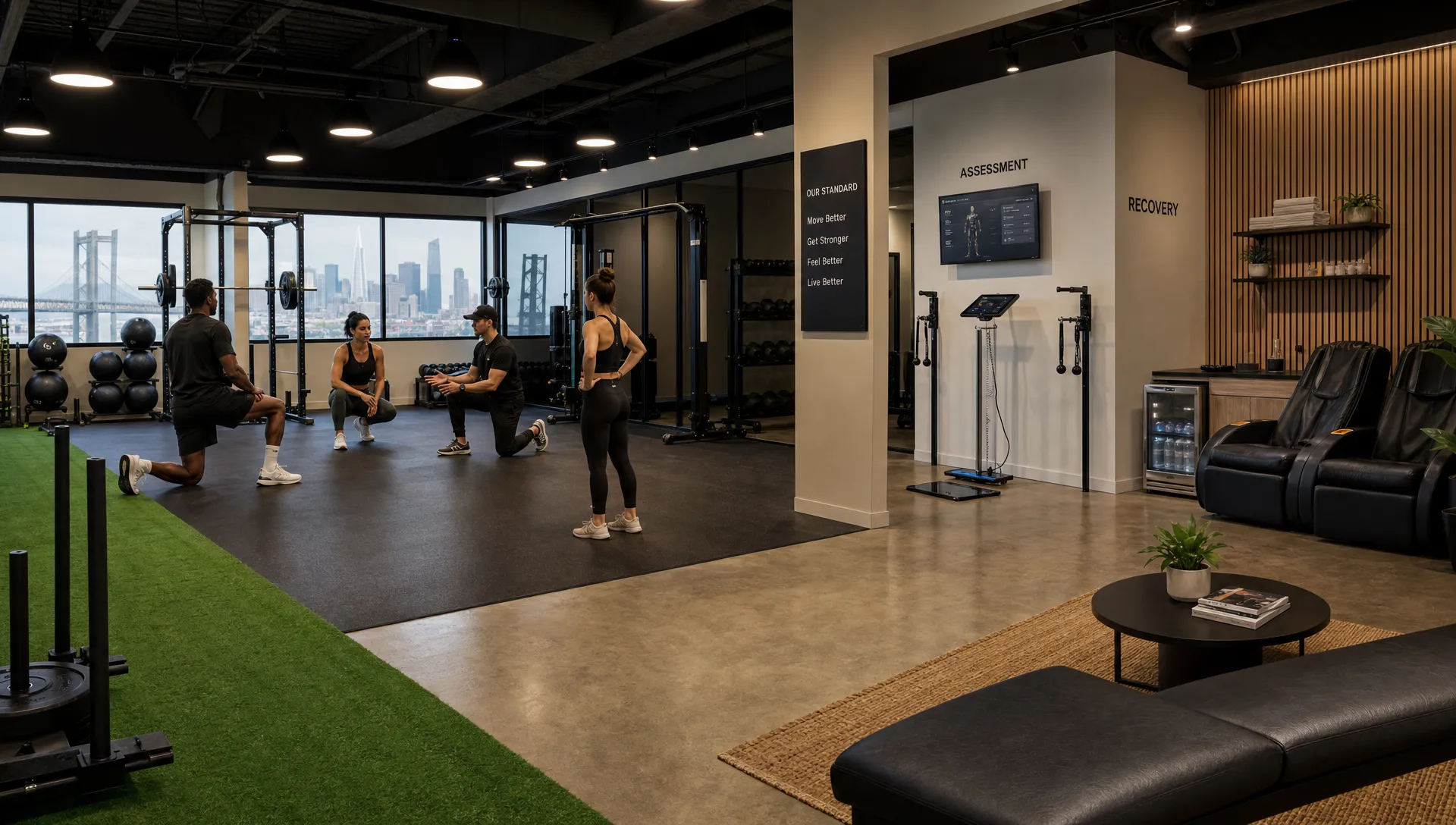


Group personal training is often judged by the wrong comparison. People picture a packed class where one coach demonstrates from the front of the room and everyone follows the same workout, regardless of experience, injury history or goal. That can be fun, but it is not the same thing as a well-run small group personal training model.
In a true group personal training setting, the coach is not trying to entertain a room. The coach is managing a small number of people through a structured plan, adjusting movements, correcting technique and tracking progress. For many busy adults, that format can deliver more individual attention than they expected because it combines coaching, accountability and a repeatable system.
The difference comes down to design. A small group can create enough energy to keep you consistent, yet stay intimate enough for meaningful correction. Instead of getting lost in a crowd, you are training in a setting where your coach learns how you move, what you avoid, when you need a push and when you need a smarter modification.
Group personal training is not just a smaller class
A group class usually starts with one workout for everyone. The coach may offer modifications, but the experience is built around shared timing and shared programming. Group personal training starts from a different place. The session may include shared movement patterns, but the coach treats each person as an individual inside the group.
That distinction matters. A person returning to training after a long work-heavy season does not need the same loading strategy as someone building toward a strength goal. A runner who sits through long meetings may need more hip mobility and posterior chain strength than a former athlete who needs better pacing. Both can train in the same session if the coach knows how to scale the plan.
If you are deciding between formats, Custom Fit’s guide to group classes or private coaching breaks down when each model tends to fit best. Group personal training often sits between the two, offering more coaching than a traditional class and more shared energy than a fully private session.
Why the small group format can create more attention
Individual attention does not mean a trainer talks to you every second. In fact, constant talking can interrupt the work. Better attention means the right cue, adjustment or progression at the moment it will actually improve the set.
Small group personal training can make that easier for several reasons. First, the coach sees multiple people performing related movement patterns in the same session. That makes compensations easier to spot. If three people are hinging well and one person keeps shifting away from the left hip, the difference stands out quickly.
Second, the session has built-in rhythm. While one person is completing a set, the coach can observe, cue and make a quick equipment change for another. The group keeps moving, but nobody is left to figure things out alone.
Third, the format creates continuity. When you train with the same coach and a consistent small group, your coach can learn your patterns over time. They remember that your shoulder needs a specific warmup, that heavy lower-body training feels better after more ankle prep or that you tend to rush the eccentric portion of a lift when you are tired.
This is where the format can outperform a random drop-in class. The attention is cumulative. Every session gives the coach more context.
Individualization comes from smart constraints
Good coaching does not require a completely different workout for every person. It requires a program that can be adjusted without losing its purpose.
For example, a group might all work on a squat pattern, but one person performs a goblet squat to a box, another uses a front squat variation and another focuses on tempo with a lighter load. The shared goal is lower-body strength. The individual application depends on mobility, training history, current fatigue and technique.
The same principle applies to pushing, pulling, carrying, hinging and conditioning. A strong coach can preserve the intent of the session while changing the exercise, range of motion, load, tempo or rest period.
That approach is supported by how resistance training is typically progressed. The American College of Sports Medicine’s position stand on progression models in resistance training emphasizes adjusting variables such as load, volume, exercise selection, rest and frequency based on the individual. A well-run group personal training program uses those variables continuously rather than forcing every person into the same version of the workout.
For the client, this feels more personal than it looks on paper. You are part of a shared training environment, but your reps, weights, modifications and cues still belong to you.
Accountability works better when it is not all on you
Many San Francisco professionals do not struggle because they lack information. They struggle because their calendar is crowded, decision fatigue is real and workouts are easy to sacrifice when meetings run long.
A group personal training appointment solves part of that problem by making fitness harder to ignore. Your coach expects you. Other people expect you. The plan is already built. You do not have to decide what to do, how hard to push or whether today is a good day for strength, mobility or conditioning.
A 2017 systematic review in the International Journal of Behavioral Nutrition and Physical Activity found that social support is positively associated with physical activity. The takeaway for training is practical, not complicated. People often follow through better when their environment supports the behavior.
For someone moving between client meetings in the Financial District and evening plans in Hayes Valley, removing friction matters. A coached small group session can turn training into a fixed part of the week rather than another self-managed task.
This is the same reason busy professionals rely on specialists for high-consequence tasks. A physician practice, benefits team or executive may use an IRS-authorized e-file service for Form 720 rather than waste time navigating excise tax filings manually. The value is not just completion. It is accuracy, structure and time saved. Group personal training works in a similar way for fitness, giving you a guided process instead of asking you to keep reinventing the plan.
More eyes on effort, not just form
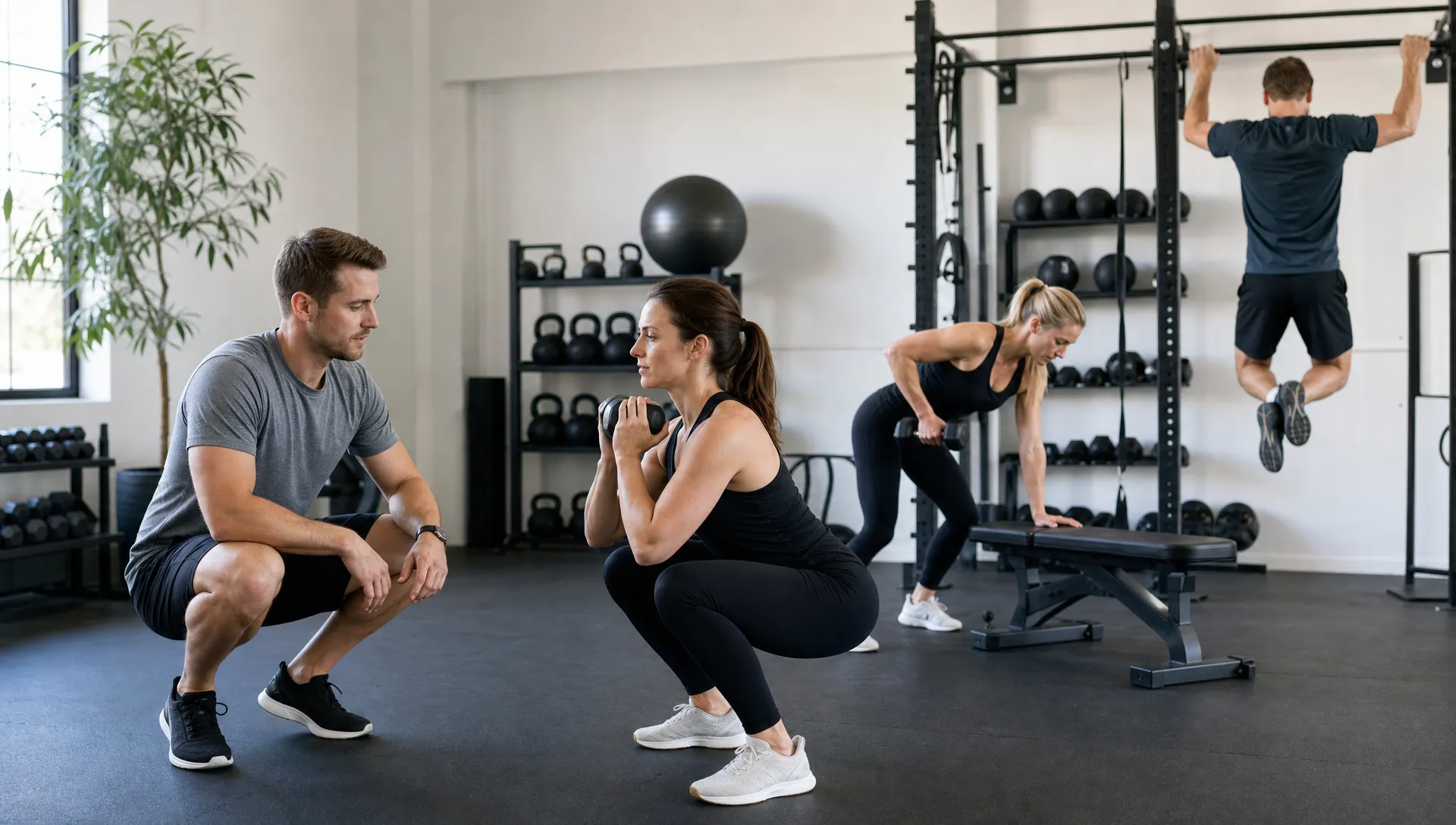
Technique matters, but attention in training is not only about posture. A good coach is also watching effort, pacing, recovery and consistency.
Two people can complete the same set of eight reps and have completely different training effects. One may be stopping far short of a productive effort. Another may be grinding through a load that compromises form. In a small group, the coach can compare what they see against what they know about each person’s ability.
That creates better progression. You may be encouraged to add weight when you would normally play it safe. You may be told to slow down when you are turning a strength set into cardio. You may be given a lower-impact conditioning option when your recovery is not where it should be.
For strength and long-term health, this matters. The U.S. Department of Health and Human Services’ Physical Activity Guidelines for Americans recommend muscle-strengthening activities at least two days per week for adults, along with aerobic activity. The challenge is not knowing that strength training is valuable. The challenge is doing it consistently, with enough progression to matter and enough restraint to stay healthy.
Group personal training helps bridge that gap. It gives the structure of a program, the supervision of coaching and the social energy that makes hard work easier to repeat.
Data can make group training even more personal
The best group personal training programs do not rely only on how a workout feels. They use assessment and tracking to understand what should change over time.
At Custom Fit, training can be supported by data-driven wellness services such as nutrition coaching, DEXA scans, VO2 max testing and recovery programs. That matters because goals like fat loss, muscle gain, performance and longevity require more than a hard workout.
When DEXA is used to evaluate body composition, Custom Fit DEXA scans are performed by Registered Dietitians or Exercise Physiologists. Clients are working with professionals who understand nutrition, exercise physiology and body composition, not simply receiving an automated scan report. That professional interpretation can help connect the numbers to training and nutrition decisions.
For example, two clients may both want to lose weight, but their body composition results could suggest different priorities. One may need to preserve or build lean mass while reducing body fat. Another may need to focus on visceral fat reduction, aerobic capacity and nutrition consistency. A group setting can still support both goals when the coaching team understands the bigger picture.
This is where group personal training becomes more sophisticated than a generic workout. The session is only one part of the plan. The attention comes from how coaching, assessment and behavior change connect.
It is less isolated than private training
Private training can be the right choice, especially for complex goals, injury considerations or people who prefer one-on-one coaching. But private training is not automatically more motivating.
Some clients perform better with a little shared energy. They work harder when other people are training nearby. They show up more often because the session feels social without becoming distracting. They get to be part of a small community without giving up coaching quality.
This can be especially useful for high-performing professionals who spend much of the day making decisions alone. In the gym, they do not necessarily want another solitary task. They want expert direction and enough human connection to make the process feel sustainable.
If follow-through is your main obstacle, it may help to think beyond the session itself. Custom Fit’s article on how personal coaching fitness plans improve follow-through explains why accountability, realistic programming and adaptability often matter as much as motivation.
Who benefits most from group personal training?
Group personal training is a strong fit for people who want coaching but do not need every minute of a session devoted exclusively to them. It works well for clients who value structure, enjoy some social energy and want a more personalized experience than a large class.
It can be especially useful if you:
- Want strength training guidance without planning your own workouts
- Need accountability to train consistently during busy weeks
- Prefer a premium coaching environment over a crowded gym floor
- Like training around other motivated people
- Want your program adjusted without feeling singled out
- Are working toward body composition, performance or general health goals
It may not be the best first step if you need highly specialized rehabilitation, have acute pain that requires medical management or strongly prefer complete privacy. In those cases, private coaching or a referral to an appropriate healthcare provider may be a better starting point.
How to choose the right group personal training program
Not every small group program delivers true individual attention. Some are simply smaller classes. Before joining, look for signs that the program is built around coaching rather than crowd management.
The coach should know your goals and training background before you jump into hard sessions. The group should be small enough for real observation. The program should include progressions, regressions and clear coaching cues rather than a one-size-fits-all circuit.
You should also look at the environment. A well-run studio should feel organized, clean and professional. Equipment should support strength, conditioning and mobility work without forcing clients to compete for space. If the facility feels chaotic, it becomes harder for coaches to coach well.
For a deeper evaluation of the setting itself, Custom Fit’s guide to what to look for in a private training gym covers the qualities that separate a serious coaching environment from a standard fitness floor.
The real reason it feels more personal
The best group personal training does not feel personal because the coach is constantly hovering. It feels personal because the whole system is designed around you making progress.
Your coach sees your movement repeatedly. Your plan has room for adjustment. Your group gives you energy without taking away your individuality. Your training decisions can be informed by assessment, nutrition support and recovery practices rather than guesswork.
That combination is why many people find small group coaching more effective than training alone and more sustainable than relying on occasional private sessions. It gives you enough attention to improve and enough shared momentum to keep going.
Frequently Asked Questions
What is group personal training? Group personal training is a coached training format where a small number of clients work with a trainer during the same session, while still receiving individualized modifications, cues and progressions.
Is group personal training the same as a fitness class? No. A fitness class usually delivers one workout to a larger group. Group personal training is more coaching-focused and should account for each person’s goals, ability level and movement needs.
Can beginners do group personal training? Yes, if the group is small and the coach can scale exercises appropriately. Beginners often benefit from the structure, technique coaching and accountability that the format provides.
Can group personal training help with body composition goals? Yes, especially when training is paired with nutrition guidance and objective tracking. At Custom Fit, DEXA scans are performed by Registered Dietitians or Exercise Physiologists, so body composition data can be interpreted by professionals who understand exercise and nutrition.
How much individual attention should I expect? You should expect the coach to know your goals, watch your form, adjust exercises when needed and track your progress over time. You should not feel like you are simply following a generic workout.
Find a smarter way to train in San Francisco
If you want coaching, accountability and a more personal training experience without losing the energy of a small group, group personal training can be a strong fit. The key is choosing a program where the coaching is intentional, the group stays small and the plan adapts to you.
Custom Fit brings together personal training, nutrition coaching, testing and recovery services for people who want a more data-driven approach to health and performance in San Francisco.