What to Look For in a Private Training Gym
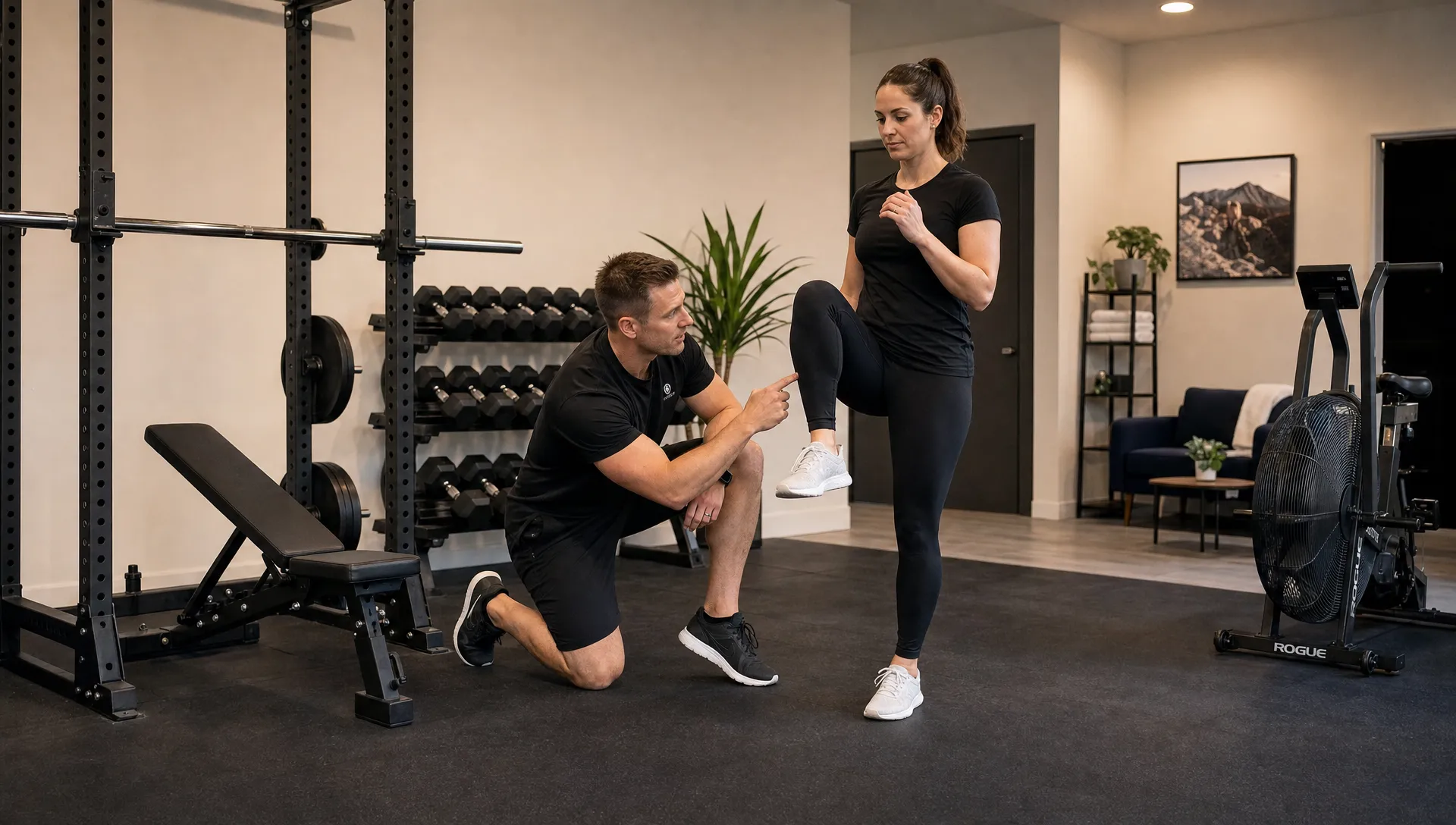


A private training gym should do more than keep crowds away. The right environment should make your training more precise, more efficient, and more aligned with your health goals. For busy San Francisco professionals, clinicians evaluating referral partners, or anyone who wants to train seriously without the chaos of a big box gym, the best choice is usually the facility that combines privacy with expertise.
That combination matters. Privacy alone does not guarantee better results. A beautiful room, premium equipment, and a small membership base can all be useful, but they are only part of the picture. What you are really looking for is a system: skilled coaching, meaningful assessments, personalized programming, nutrition support, recovery options, and a culture that respects your time.
Here is what to evaluate before choosing a private training gym.
A private training gym should feel personalized, not just exclusive
Many gyms market themselves as private because they limit access, require appointments, or offer a boutique environment. Those features can make training more comfortable, but exclusivity is not the same as personalization.
A truly private training experience starts with understanding you as an individual. That includes your goals, injury history, schedule, stress level, baseline fitness, movement quality, and how your body responds to training. The coach should not be guessing what you need based on a generic template.
During your first conversation, listen for the depth of the intake process. A strong gym will ask questions such as:
- What outcome are you training for, strength, fat loss, energy, longevity, performance, or mobility?
- What has worked or failed for you in the past?
- What constraints matter most, travel, long workdays, sleep, injuries, or nutrition habits?
- How will progress be measured beyond the number on the scale?
If the consultation immediately turns into package pricing before anyone understands your goals, that is a warning sign. A private training gym should begin with clarity, not a sales script.
Look for assessment quality before you look at equipment
Equipment matters, but assessment quality matters more. A gym can have excellent squat racks, cable systems, cardio machines, and recovery tools, yet still deliver mediocre results if it does not know how to evaluate where you are starting.
A high-quality private training gym should have a process for establishing a baseline. Depending on your goals, that might include movement screening, strength testing, mobility assessment, cardiovascular testing, body composition analysis, and nutrition intake.
This is especially important for people who care about body composition, longevity, metabolic health, or performance. Weight alone can be misleading. Two people can weigh the same and have very different levels of muscle mass, visceral fat, bone density, and metabolic risk.
That is where advanced testing can be valuable. DEXA scans and VO2 max testing can help create a more complete picture of your current health and fitness. Research has consistently shown that cardiorespiratory fitness is a powerful predictor of long-term health outcomes. A major JAMA meta-analysis found that higher cardiorespiratory fitness was associated with lower risk of all-cause mortality and cardiovascular events, which is one reason VO2 max testing can be so useful when paired with smart programming.
If a gym offers DEXA, ask who performs and interprets the scan. At Custom Fit, DEXA scans are performed by Registered Dietitians or Exercise Physiologists, which means clients are working with professionals who understand nutrition, exercise physiology, and body composition. You are not simply receiving an automated scan report. You are getting context from someone who can explain what your lean mass, body fat, and visceral fat results mean for training and nutrition.
If you are comparing options, it is also worth understanding what should be included in a personal training package, because the best programs include more than a set number of workouts.
Coaching expertise should be visible in the details
In a private setting, your coach’s skill becomes even more important because there are fewer distractions and less room for generic programming. You should expect clear instruction, intelligent progressions, and careful attention to technique.
A good coach can explain why you are doing a movement, how it connects to your goal, and what progression comes next. They should be able to adjust on the fly if you arrive stressed, underslept, sore, or dealing with a minor limitation. That does not mean every session should feel easy. It means the difficulty should be appropriate and intentional.
Look for signs of real coaching quality:
- The trainer watches your movement closely instead of simply counting reps.
- Exercises are selected for your goals, body, and training age.
- Progression is planned, not random.
- The coach communicates clearly and respectfully.
- There is attention to warmups, recovery, breathing, and movement control.
- The facility can coordinate training with nutrition or recovery when needed.
Certifications can be helpful, but they are not the whole story. Experience, communication style, continuing education, and the ability to work with your specific needs are just as important. If you have a medical history, are returning from injury, or are training for longevity, ask how the gym coordinates with healthcare providers when appropriate.
Privacy should support focus, not create intimidation
The best private gyms create an environment where you can focus. That might mean fewer people on the floor, appointment-based access, semi-private zones, or a layout that prevents you from feeling observed while you train.
For many clients, privacy is not about luxury. It is about removing friction. You may want to train before an early meeting, during a lunch break, or after a demanding clinical day without waiting for equipment or navigating a crowded locker room. You may also prefer not to perform assessments, mobility work, or corrective exercises in front of a busy floor.
A private training gym should make it easier to be consistent. If the environment makes you feel judged, rushed, or overstimulated, it is probably not the right fit, even if the facility looks impressive.
Professional standards matter here too. Cleanliness, staff presentation, equipment maintenance, and clear safety practices all signal how seriously the facility operates. In many demanding work environments, professional gear and appearance are part of creating trust and safety, which is why organizations often turn to specialized professional workwear suppliers when they need durable uniforms for high-use settings. In a gym, the same principle applies: the details reveal whether the operation is intentional or improvised.
The right equipment is varied, maintained, and matched to your goals
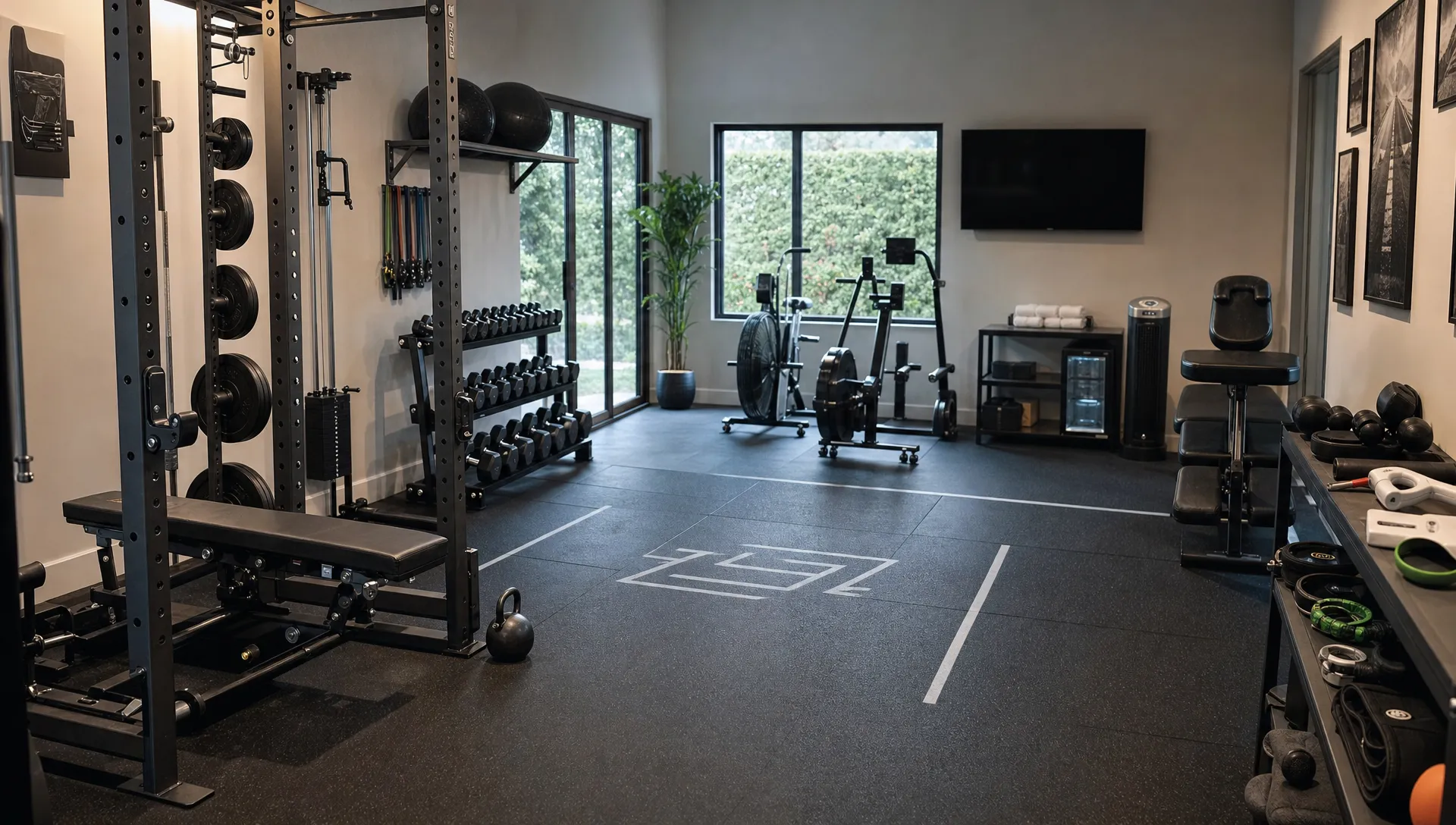
A private training gym does not need endless machines, but it does need the right tools for the clients it serves. If your goal is strength, you should see quality free weights, racks, benches, cable systems, and enough loading options to progress safely. If your goal is metabolic health or endurance, there should be appropriate cardio equipment and testing options. If your goal is longevity, the gym should support strength, balance, mobility, power, and aerobic fitness.
Do not be distracted by novelty. A room full of unusual tools is not automatically better than a well-equipped facility with fundamentals covered. The real question is whether the equipment allows your coach to train you effectively over time.
You should also notice whether the equipment is clean, organized, and in good condition. Loose cables, worn handles, cluttered floors, or broken machines suggest deeper operational problems. In private training, the facility should feel prepared before you walk in.
Strong gyms connect training, nutrition, and recovery
Training is only one part of the result. If you want to build muscle, lose fat, improve energy, increase VO2 max, or support longevity, nutrition and recovery are not optional extras. They are part of the program.
A private training gym with Registered Dietitians, nutrition coaching, recovery services, and advanced testing can help you connect the dots. For example, if your DEXA scan shows low lean mass relative to your goals, your training plan and nutrition strategy should reflect that. If your VO2 max is a priority, your program should include a structured cardiovascular plan rather than random intervals.
This is where a data-driven model has an advantage. Strength training itself is strongly associated with health benefits. A 2022 systematic review and meta-analysis in the British Journal of Sports Medicine found that muscle-strengthening activities were associated with a lower risk of all-cause mortality and several major noncommunicable diseases. But the best results come when strength work is programmed consistently and supported by nutrition, recovery, and measurement.
Ask whether the gym can help you answer practical questions like these:
- Am I eating enough protein to support muscle gain or retention?
- Is my training plan aligned with my body composition goals?
- How should I adjust workouts when travel or work stress increases?
- Are we tracking the right metrics for fat loss, strength, and longevity?
- Do I need recovery support, mobility work, or a different training frequency?
If a facility separates training from nutrition entirely, you may still get good workouts, but you may miss the bigger picture.
Scheduling should fit real life in San Francisco
For many people, the biggest barrier to fitness is not motivation. It is logistics. In San Francisco, a private training gym has to fit into your actual week, not your ideal week.
If you are commuting from the Financial District, seeing patients near Pacific Heights, or fitting sessions between meetings, the gym’s schedule, parking options, cancellation policy, and session flow matter. A 60-minute workout that regularly takes 25 minutes of extra transition time may not be sustainable.
Ask about appointment availability during the times you are most likely to train. Early morning and evening slots can fill quickly in high-demand private facilities. If you travel frequently, ask how programming adapts when you are away. For executives, physicians, founders, attorneys, and other busy professionals, the right gym should reduce decision fatigue rather than add another scheduling burden.
If you are wondering whether the investment makes sense for your schedule and goals, this guide on whether personal training is worth it for busy professionals may help frame the decision.
Culture should be professional, supportive, and outcome-focused
Every gym has a culture. In a private training gym, that culture is often easier to feel because the environment is more intimate. Pay attention to how staff greet clients, how trainers communicate, and whether the space feels calm, focused, and respectful.
A strong culture does not need to be flashy. In fact, many of the best private gyms are quietly professional. They attract people who want to work hard, train intelligently, and get on with their day.
The culture should match your personality and goals. Some clients thrive in a high-energy group environment. Others want private coaching, precise instruction, and minimal distraction. Neither is universally better. The right choice depends on what helps you stay consistent. If you are deciding between formats, compare the tradeoffs between group classes and private coaching before committing.
For B2B partners such as concierge medicine practices, longevity clinics, or employee benefits teams, culture matters for another reason. If you refer patients, clients, or employees to a gym, you need confidence that the experience will reflect well on your organization. Professional communication, timely reporting, qualified staff, and a respectful environment become part of the value.
Red flags when evaluating a private training gym
Some warning signs are obvious, such as dirty equipment or disorganized staff. Others are more subtle. Be cautious if a gym relies heavily on exclusivity language but cannot clearly explain its coaching process.
Common red flags include:
- No meaningful intake or baseline assessment.
- The same workout style for every client.
- Little discussion of nutrition, recovery, sleep, or lifestyle constraints.
- Unclear trainer qualifications.
- No system for tracking progress.
- Pressure to buy before your goals are understood.
- Overemphasis on aesthetics without attention to strength, health, or function.
A private training gym should make you feel more confident in the plan, not more confused. If you leave the consultation unsure how the facility will help you reach your goals, keep looking.
Questions to ask before you join
Before committing, ask direct questions. A quality gym should welcome them.
You might ask:
- How do you assess new clients before building a program?
- Who will be coaching me, and what is their background?
- How do you track progress over 8, 12, or 24 weeks?
- Do you offer nutrition support from qualified professionals?
- Do you provide DEXA, VO2 max?
- How do you adjust programming for travel, stress, or injury history?
- What happens if my goals change?
The answers should be specific. You are not looking for perfection. You are looking for a facility that has a clear process, qualified professionals, and enough flexibility to adapt to you.
Frequently Asked Questions
Is a private training gym better than a regular gym? It depends on your goals and preferences. A private training gym is often better if you want expert coaching, fewer distractions, structured programming, privacy, and more accountability. A regular gym may be enough if you already know how to train safely and consistently on your own.
How much privacy should I expect in a private training gym? Privacy varies by facility. Some gyms offer fully private one-on-one sessions, while others provide semi-private training with limited members on the floor. Ask how many clients are typically present during your preferred training times.
Should a private training gym offer body composition testing? It is a major advantage, especially if your goals include fat loss, muscle gain, longevity, or metabolic health. If DEXA scans are offered, ask who performs and explains them. At Custom Fit, DEXA scans are performed by Registered Dietitians or Exercise Physiologists, so results are interpreted by professionals who understand nutrition, exercise physiology, and body composition.
What matters more, the trainer or the facility? Both matter, but coaching quality should come first. A beautiful facility cannot replace thoughtful programming, skilled instruction, and consistent progress tracking. The best option combines excellent coaches with equipment, testing, and support services that help them do their best work.
How do I know if a private training gym is worth the cost? Look at the total value, not just the session price. Consider assessment quality, trainer expertise, personalization, time savings, privacy, nutrition support, recovery options, and measurable progress. If the gym helps you stay consistent and reach goals faster or more safely, the investment may be worthwhile.
Make your private gym choice based on evidence, not atmosphere alone
A private training gym should help you train with more focus, better data, and stronger support. The right facility will assess where you are, build a plan around your life, and track progress in ways that actually connect to your goals.
If you are looking for a private, data-driven fitness and wellness studio in San Francisco, Custom Fit SF offers personal training, nutrition coaching, DEXA scans, VO2 max testing, recovery programs, group classes, and support from qualified professionals. The best first step is to choose a gym that treats your time, health, and results with the same seriousness you do.