How Group Fitness Training Builds Lasting Accountability
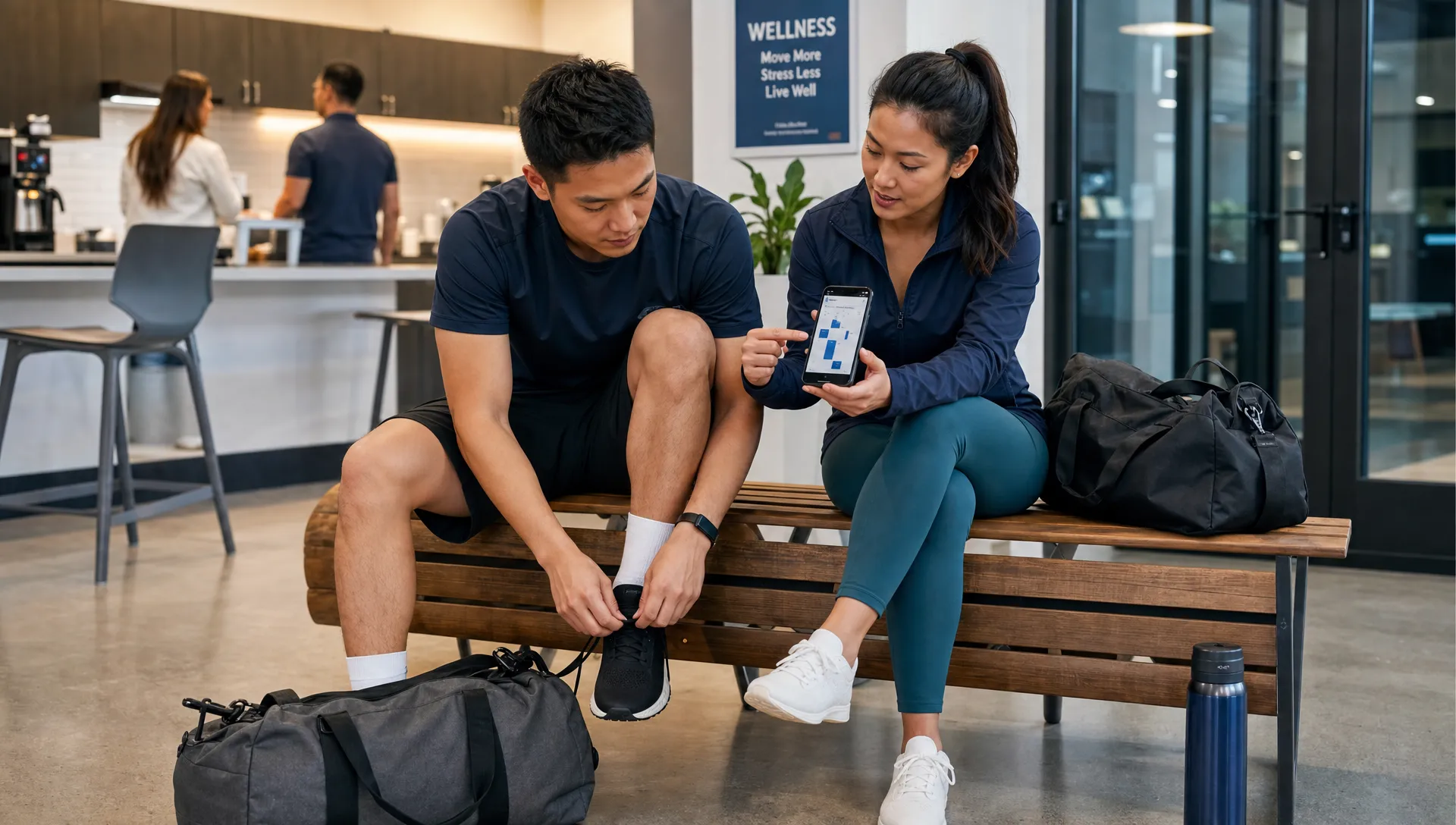


Most people do not fail at fitness because they lack ambition. They fail because life keeps creating friction, meetings run late, travel interrupts routines and motivation fades after a long day. Group fitness training solves a different problem than exercise selection alone: it turns your workout into a shared commitment with a coach, a schedule and people who notice when you show up.
For high-performing professionals in San Francisco, that structure matters. If your calendar is already full, the best plan is not always the most complicated plan. It is the one you can repeat long enough to earn results.
Why Accountability Breaks Down When Fitness Is Solo
Solo workouts offer flexibility, but flexibility can become the easiest reason to postpone. A workout that can happen anytime often happens at no time, especially when no one is expecting you.
Accountability also weakens when your plan depends on mood. You may start the week with energy, then negotiate with yourself after a demanding client call, a delayed appointment or a poor night of sleep. Over time, small missed sessions stop feeling like exceptions and become your routine.
That does not mean solo training is ineffective. Many people thrive alone. The issue is that lasting consistency usually needs more than intention. It needs prompts, feedback and a social environment that makes follow-through feel normal.
How Group Fitness Training Creates a Repeatable Accountability System
At its best, group fitness training makes accountability practical rather than performative. You are not relying on guilt or public pressure. You are stepping into a system where the next action is already defined: arrive, warm up, train, recover and come back.
That rhythm reduces the mental load around exercise. You do not need to design a workout from scratch or decide whether today is upper body, conditioning or mobility. The session has a structure, the coach manages the flow and the group reinforces the habit.
The Calendar Becomes the First Commitment
A scheduled class changes exercise from a vague goal into an appointment. For someone commuting from the Financial District or fitting training between meetings near Pacific Heights, that difference is meaningful. The workout is no longer something to squeeze in if time appears. It is a protected block of the day.
This is one reason fitness classes can be so effective for busy adults. Custom Fit has also covered how fitness group classes help busy professionals stay on track, especially when work demands make consistency difficult.
Social Visibility Builds Follow-Through
A well-run group fitness training session creates positive visibility. Your coach knows your baseline, your training partners recognize your effort and attendance becomes part of your identity.
This does not need to feel intense or competitive. In fact, the best accountability often feels calm. Someone remembers that you were working on stronger squats, better pacing or more consistent attendance. That recognition makes progress easier to continue because it becomes shared, not isolated.
What Research Says About Group Exercise and Adherence
The accountability effect is not just anecdotal. A meta-analysis published in the International Journal of Behavioral Nutrition and Physical Activity compared group-based and individual exercise approaches and found that certain group-mediated interventions can improve adherence, particularly when they include behavioral strategies and social support. You can review the paper on group versus individual exercise interventions.
Another helpful framework comes from self-determination theory. A systematic review in the same journal found that physical activity is more likely to last when people experience autonomy, competence and relatedness. In plain terms, people stick with exercise when they feel some ownership, see themselves improving and feel connected to the environment. That aligns closely with what strong coaching and community can provide.
For busy professionals, group fitness training works because it supports these three needs at once. You choose to attend, you receive coaching that builds competence and you train around people pursuing similar goals.
Accountability Is Not the Same as Pressure
Some people hear accountability and picture a loud bootcamp, public weigh-ins or a coach shouting corrections across the room. That kind of pressure can create short bursts of compliance, but it rarely builds a healthy long-term relationship with training.
Real accountability is specific, supportive and tied to your goals. It should help you answer better questions: Did you train twice this week? Did your technique improve? Are you recovering well enough to progress? Are your habits moving your health markers in the right direction?
This is also why trust matters across every area of health. People are more likely to keep up with preventive care when they feel guided by credible professionals, whether that is a fitness coach, dietitian, physician or an experienced family dental clinic such as Dentalspa Geelong, where comfort and long-term patient relationships are central to the care experience.
The Coach Turns Group Energy Into Personal Progress
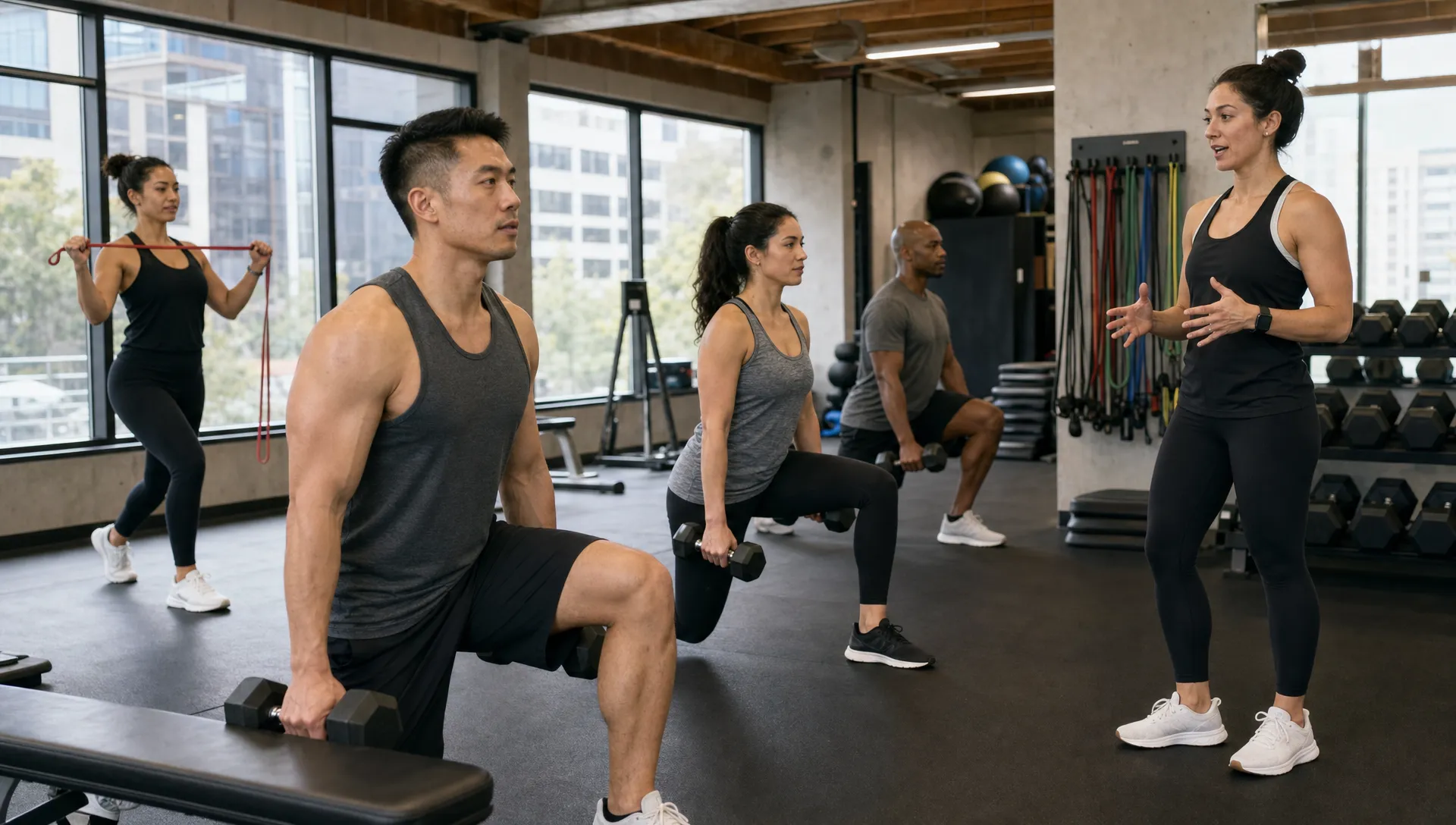
Group energy is helpful, but coaching is what keeps it productive. Without coaching, a group class can become a room full of people doing the same workout at mismatched intensities. With coaching, the same setting becomes individualized enough to be safe, progressive and measurable.
A good coach watches movement quality, adjusts exercises and helps you train at the right level for the day. That matters if you are returning after time away, managing stress, rebuilding strength or balancing longevity goals with performance goals.
This is where small-group formats can be especially valuable. If you want more detail on that distinction, Custom Fit explains why small-group personal training can still feel individualized when the coach is actively cueing, scaling and tracking progress.
Data Makes Accountability More Objective
Lasting accountability improves when it is connected to measurable feedback. Attendance matters, but so do strength levels, conditioning, body composition, recovery and energy. When you measure the right things, you stop judging progress only by how you feel on a given day.
At Custom Fit, this data-driven approach can include personal training, nutrition coaching, VO2 max testing and DEXA scans. When discussing body composition, the human interpretation matters as much as the test itself. Custom Fit DEXA scans are performed by Registered Dietitians or Exercise Physiologists, so clients are working with professionals who understand nutrition, exercise physiology and body composition, not simply receiving an automated scan report.
That distinction is important for group fitness training because accountability should point toward meaningful outcomes. If your goal is fat loss, muscle gain, metabolic health or longevity, your plan should be evaluated with better evidence than a scale alone.
Why Group Training Fits the San Francisco Lifestyle
San Francisco rewards consistency, but the city does not always make it easy. Workdays can be compressed, commutes can shift and social calendars fill quickly. A predictable training schedule helps create stability inside an otherwise fluid week.
For people working in demanding fields, from finance and technology to private medicine and executive leadership, group fitness training also offers a rare environment where the task is simple and embodied. You are not checking messages or making decisions for a team. You are training, being coached and doing the next rep with intention.
That mental clarity is part of the value. The right group setting can make exercise feel less like another obligation and more like a reliable anchor for the week.
How to Choose a Group Fitness Training Environment You Will Keep Using
The best group fitness training environment is not necessarily the hardest class or the most crowded studio. It is the one that supports consistency without sacrificing coaching quality.
Look for signs that the program is built for long-term progress:
- Coaches ask about your goals, training history and limitations before pushing intensity.
- Sessions include warm-ups, strength work, conditioning or mobility with a clear purpose.
- Movements can be scaled without making you feel singled out.
- Attendance, performance and recovery are treated as part of the process.
- The culture feels supportive rather than performative.
If you are evaluating options, it can also help to understand why coached group sessions often outperform solo workouts, especially when structure and accountability are the missing pieces.
The Long-Term Payoff: Accountability Becomes Identity
The strongest form of accountability eventually becomes internal. At first, you show up because the class is on your calendar, the coach expects you and the group makes the session more enjoyable. After enough repetitions, you start to see yourself as someone who trains consistently.
That identity shift is powerful because it does not depend on perfect motivation. You may still miss a session during travel or a demanding workweek, but you return because training is part of your normal life.
When group fitness training is coached well, it helps bridge the gap between external structure and internal consistency. The group gets you started, the coaching keeps you progressing and the results make the habit easier to protect.
Frequently Asked Questions
How often should I attend group fitness training to build accountability? Two to three sessions per week is a practical starting point for many adults. The best frequency depends on your goals, training background, recovery and schedule.
Is group training effective if I need individual modifications? Yes, if the group is coached well. Small-group formats can allow trainers to adjust exercises, monitor technique and scale intensity based on your current ability.
Can group classes help with fat loss or body composition goals? They can, especially when paired with nutrition coaching and objective testing. For body composition goals, tools like DEXA scans can help track muscle mass, body fat and visceral fat more accurately than scale weight alone.
What makes accountability last beyond the first few weeks? Lasting accountability usually comes from a mix of scheduling, social connection, coaching feedback and measurable progress. The goal is to build a routine that remains realistic when work and life get busy.
Build a Fitness Routine You Can Actually Keep
Accountability is not about being pushed harder every day. It is about building a system that helps you show up, train intelligently and measure what matters.
If you want a more structured approach to fitness, recovery, nutrition and testing, explore Custom Fit's San Francisco wellness studio. With coaching, data and a supportive training environment, you can build the kind of consistency that lasts beyond the first burst of motivation.