Choosing a Personal Trainer for Fitness After 50
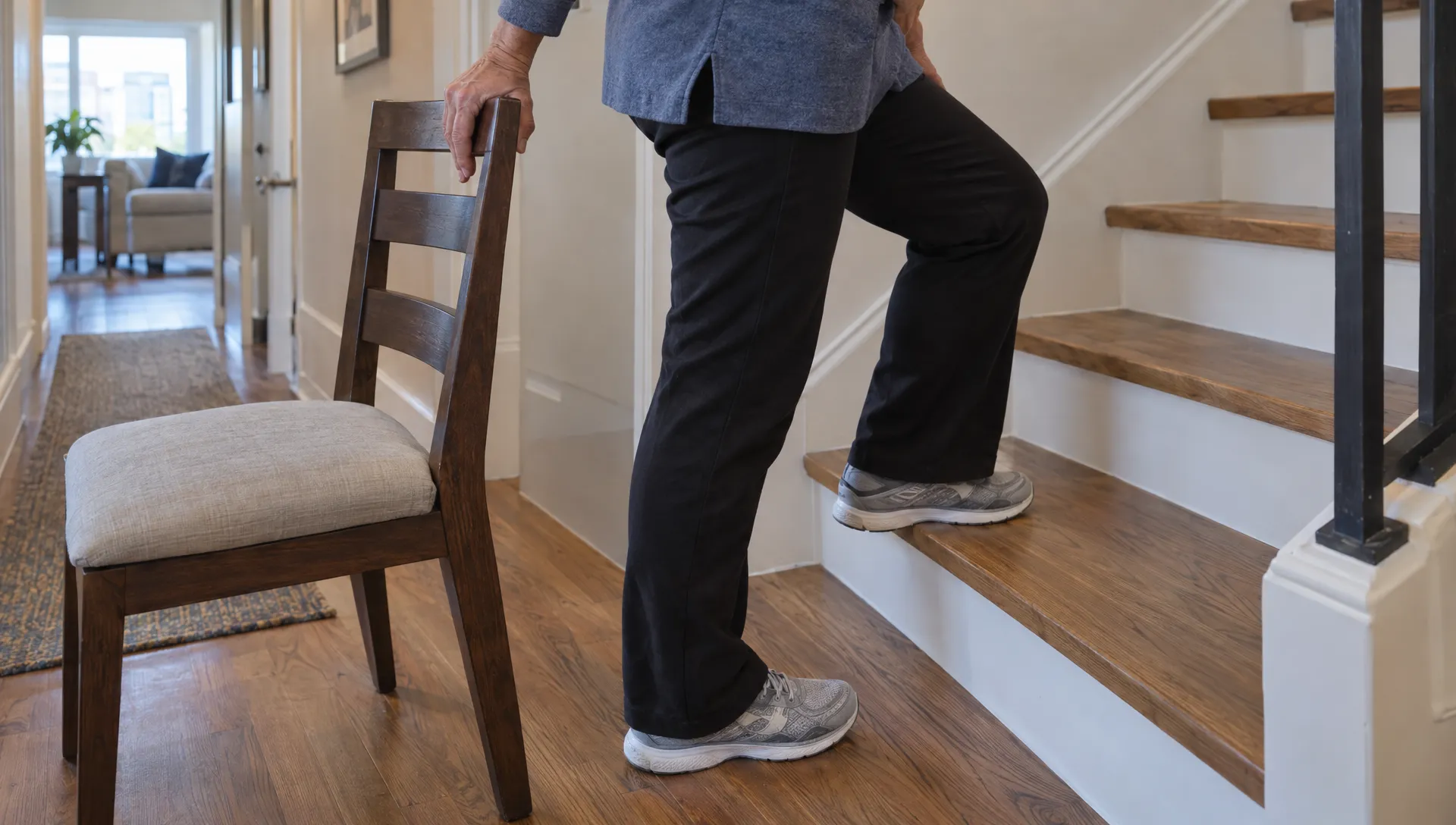


Searching for “personal trainer fitness” after 50 can bring up coaches promising weight loss, intense workouts or dramatic transformations. A more useful question is whether a trainer can help you become stronger, improve stamina and keep doing the activities you enjoy without ignoring your health history.
The right coach should neither treat you as fragile nor assume you can jump straight into the workouts you did at 30. Look for someone who assesses your starting point, explains the plan and adjusts it as you improve. Here is how to recognize that approach before committing to a package.
Start with your capabilities, not assumptions about age
Two people in their late 50s may need very different programs. One might already lift regularly and want to prepare for a hiking trip. Another may be returning after surgery or years of sedentary work. Age provides context, but it does not establish training ability.
Strength deserves attention in either case. The National Strength and Conditioning Association’s position statement on resistance training for older adults describes benefits for strength, physical function and independence. That supports appropriately prescribed resistance training, not a single workout template for everyone over 50.
When comparing personal trainer fitness programs, start with outcomes that matter in your life: carrying groceries uphill, getting up from the floor, playing tennis or maintaining energy through a demanding workweek.
A strong candidate should translate those priorities into trainable qualities such as leg strength, aerobic endurance and balance. “Getting healthier” becomes more useful when you can describe what you want your body to do better.
Check credentials and relevant coaching experience
A recognized personal training certification, current CPR/AED training and experience with clients at a similar starting point are reasonable basics. Certifications from organizations such as ACSM, NSCA, ACE or NASM can help establish foundational education, but credentials alone do not show how someone coaches.
Ask for an example of how the trainer has adapted a program for an adult returning to exercise. Listen for assessment, exercise modifications and gradual progression rather than stories about pushing someone through discomfort.
Relevant experience may include working around joint replacements, persistent joint symptoms, menopause-related changes or medically managed conditions. A trainer does not need to diagnose these issues. They need to recognize their scope and communicate with your clinician or physical therapist when appropriate.
Ask who will actually lead your sessions, too. The person conducting the sales consultation may not be your regular coach. Our guide to questions to ask during a personal training consultation can help you prepare for that conversation.
A useful test is whether the trainer can explain both what they would do and what would prompt them to refer you elsewhere.
What a personal trainer fitness assessment should cover after 50
The first assessment should establish a safe starting point, not exhaust you. Expect questions about current activity, previous injuries, medications that may affect exercise, sleep and the activities you want to improve.
Age alone does not automatically require medical clearance. However, unexplained chest discomfort, fainting or unusual breathlessness warrant medical evaluation rather than a harder workout. A trainer should use an appropriate pre-exercise screening process and follow any clinician-provided restrictions.
Movement assessment might include a comfortable squat-to-chair, a step-up, a pulling movement and walking or cycling at an easy pace. The purpose is to understand your current capacity and select useful starting exercises. It is not to diagnose a medical condition from how you move.
Choose testing that will inform decisions
Simple performance measures can be enough to begin. More advanced testing is useful when it answers a specific question rather than merely adding numbers to a report.
If you choose body-composition testing, Custom Fit DEXA scans are performed by Registered Dietitians or Exercise Physiologists. Clients work with professionals who understand nutrition, exercise physiology and body composition, rather than simply receiving an automated scan report. Ask how the findings will inform your training or nutrition recommendations.
A body-composition scan should not be treated as a substitute for a clinician-ordered bone-density evaluation when osteoporosis is a concern.
Look for a progressive first-month plan
A personal trainer fitness plan should give you enough challenge to improve while leaving room to learn technique and recover. For someone returning after a long break, that may mean beginning with fewer exercises and less total work than expected.
Two nonconsecutive strength sessions per week can be a practical starting structure, with walking or other aerobic activity between sessions. That is an example, not a prescription for every reader. Your current conditioning, symptoms and schedule should shape the actual plan.
The trainer should also explain how the program will change. Progress might mean another repetition, better control, a slightly heavier weight or a longer walking interval. Increasing everything at once makes it harder to judge what you tolerate.
| Training priority | What thoughtful coaching looks like |
|---|---|
| Strength | Exercises matched to your ability, with recorded sets, repetitions and resistance |
| Aerobic fitness | An appropriate starting pace, with duration or intensity increased gradually |
| Balance and coordination | Tasks relevant to your goals, with support available when needed |
| Recovery | Adjustments based on symptoms, fatigue and performance between sessions |
For clients with osteoporosis or a history of fragility fractures, exercise selection and loading may require additional clinical input. The answer is individualized guidance, not a blanket rule that everyone should avoid resistance training.
Similarly, soreness is not a required sign of progress. A coach should distinguish ordinary post-exercise muscle soreness from sharp pain, worsening joint symptoms or discomfort that changes your movement.
Ask how progress will be measured
Useful personal trainer fitness progress measures should connect to your original goals. If you want easier stair climbing, track a relevant step-up task, walking tolerance or perceived effort rather than relying only on appearance.
Ask the trainer to record what you actually do: exercises, resistance, repetitions and how hard each set feels. Consistent records make it possible to see improvement and identify when the program needs adjustment.
Balance work deserves particular attention when falls or instability are concerns. A Cochrane review of exercise for preventing falls in community-dwelling older adults supports exercise programs, particularly those involving balance and functional tasks. This evidence is especially relevant to older clients with fall-related goals, not a reason to label everyone over 50 as a fall risk.
Agree on a review point, such as after the first month. Early progress may include improved confidence, more consistent attendance or better exercise technique before a large performance change appears.

Evaluate the schedule and training environment
Even a well-designed program fails if attending becomes a weekly logistical problem. For San Francisco professionals, compare the actual door-to-door trip at your intended session time, not just the distance on a map. Consider whether you will train before work, during lunch or after a long commute.
Personal trainer fitness coaching should also account for travel weeks and unpredictable schedules. Ask what happens when you miss a session and whether the trainer can suggest an appropriate independent workout. Confirm package expiration, cancellation policies and what support is included before purchasing.
The space matters, too. Look for equipment you can use comfortably, clear walking paths and a coach who can give you their attention. Our guide to evaluating a private training gym explores those practical considerations in more detail.
Check any home workout space
If you will exercise at home between appointments, ask the trainer to review your setup. Stable supports, adequate clearance and suitable flooring matter more than buying many pieces of equipment.
For a garage gym, distinguish a decorative floor finish from an exercise surface. Providers such as Bay City Coatings in San Diego offer polyurea and polyaspartic garage-floor coatings. When evaluating this type of finish, ask about traction when wet and whether separate exercise flooring is needed for your equipment. A coating alone does not establish that a space is suitable for every workout.
Recognize warning signs before buying a package
Be cautious when a personal trainer fitness package is sold around dramatic promises rather than a clear coaching process. You should understand what you are purchasing and how the trainer will respond if the initial plan does not suit you.
Warning signs include:
- Guaranteed outcomes: Promises to reverse aging, eliminate chronic pain or deliver the same transformation to every client.
- Intensity without assessment: Heavy lifting, maximal testing or exhausting circuits before discussing your background.
- Poor professional boundaries: Diagnosing injuries, changing prescribed medications or discouraging appropriate medical care.
- No adjustment process: Dismissing persistent pain, poor recovery or repeated difficulty completing the program.
There is also a difference between encouragement and pressure. You should feel comfortable asking for an explanation, declining an exercise or reporting symptoms without being shamed.
A trainer does not need an immediate answer to every question. Willingness to seek appropriate input is more reassuring than certainty outside their expertise.
Frequently asked questions
Is 50 too late to start strength training? No. Resistance training can improve strength and function in older adults. The starting exercises and training dose should reflect your current ability, health history and experience rather than your age alone.
How often should I work with a personal trainer? Twice-weekly strength training is a practical starting structure for many people, but the number of supervised appointments can vary. Ask how your personal trainer fitness program will combine coached sessions, independent activity and recovery within your schedule.
Should I choose a trainer who is also over 50? Shared experience may help, but age is not a qualification. Prioritize relevant coaching experience, clear communication and evidence that the trainer can adapt exercises to your needs.
Can a personal trainer help if I have arthritis or osteoporosis? Often, but the trainer should understand the condition’s implications and work within appropriate clinical guidance. New symptoms, recent fractures or significant functional limitations may require evaluation by a clinician or physical therapist before progressing.
Do I need advanced testing before starting? Not necessarily. Health screening, a conversation about your goals and basic performance measures may provide enough information to begin. Additional testing should answer a useful question and influence a decision.
Choose coaching that fits your next decade
The best personal trainer fitness approach after 50 combines appropriate challenge, measurable progress and respect for your health history. Before committing, ask the coach to explain your starting point, the first month’s priorities and how they will decide when to progress.
Explore Custom Fit’s personal training and wellness services to discuss your goals and whether coordinated training, nutrition coaching or testing would support them. Start with the level of guidance you need, not the largest package available.