Planning an Employee Wellness Benefit in San Francisco
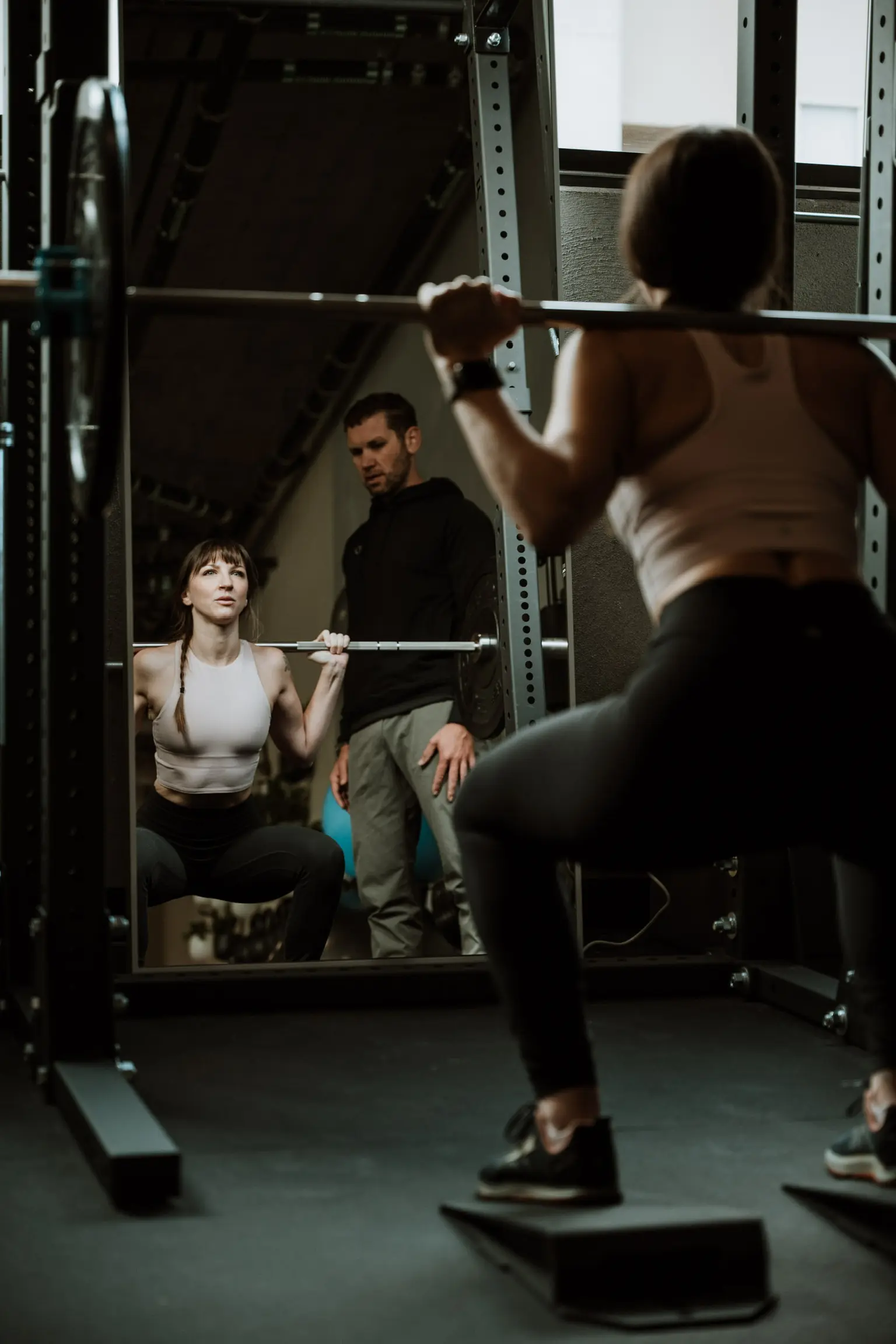


A useful starting point for an employee wellness program is a practical question: what will employees actually be able to use? With Custom Fit for Business, companies can fund access to testing, personal training, nutrition coaching, and recovery through an agreed local program.
Company Wellness Credit lets a company set employee allocations and eligible services with Custom Fit. Employees can then choose within their allowance. Here is a planning framework for a People, Operations, or Finance team preparing a proposal.
1. Define the benefit before describing the outcome
Begin with the concrete offer: who is eligible, which Custom Fit services the company will fund, and how much each employee can use. That is easier to communicate than a broad promise about transforming employee health.
A funded benefit can demonstrate investment in existing employees and give candidates a tangible example of the company's approach to support. It can help differentiate an employer's offering without claiming that a wellness program will produce particular hiring, retention, productivity, or healthcare-cost results.
2. Allow different starting points
A team is unlikely to share one fitness goal. Someone may want to learn to train with a coach, another may be interested in testing, and someone else may prefer nutrition support or the Recovery Room.
Under Company Wellness Credit, testing is not a prerequisite for other eligible services. Employees can discuss options with Custom Fit if they are unsure where to start. Personal training, testing, and recovery can remain the core of the program while nutrition and other agreed services add choice.
Gym membership access can be discussed where appropriate, but it is subject to location and capacity. A company-funded allowance is not automatically an unlimited-access membership.
3. Confirm locations and appointment details
The location is part of the benefit's practical value. Confirm where each service takes place, expected appointment lengths, preparation requirements, and the available booking window before sending an employee announcement.
DEXA scans take place at 323 Octavia Street in Hayes Valley. Custom Fit confirms other service locations in the company proposal. Do not assume all testing is available at every studio or describe an unconfirmed opening date as a guaranteed start date.
4. Agree on the rules for using credit
Custom Fit's company proposal sets out eligible services, applicable rates, allocations, and the program period. It also covers how unused credit, cancellations, employee departures, and any reallocation are handled.
These are useful questions to bring to the setup conversation:
- Which employees are eligible, and what is each person's allowance?
- Which services can employees book within that allowance?
- How will employees receive booking instructions?
- What happens when an appointment is cancelled or an employee leaves?
- What company-level information will be reported?
5. Explain privacy from the beginning
Participation is voluntary. Custom Fit does not share individual test results with employers. Company-level reporting focuses on the participation, service-use, and billing information agreed for the program; reporting and consent arrangements are documented before employees begin.
Make that distinction part of the employee introduction. A wellness benefit supports personal goals and is not an assessment of an employee's fitness for work.
What should we send Custom Fit first?
Share your approximate San Francisco headcount, the services you are considering, and a company contact. Custom Fit can discuss service fit, employee access, and the scope of a proposal that your internal budget approver can review.
Request a Custom Fit for Business proposal to work through those details with one local team.