What to Expect From a New Client Special at a Training Studio
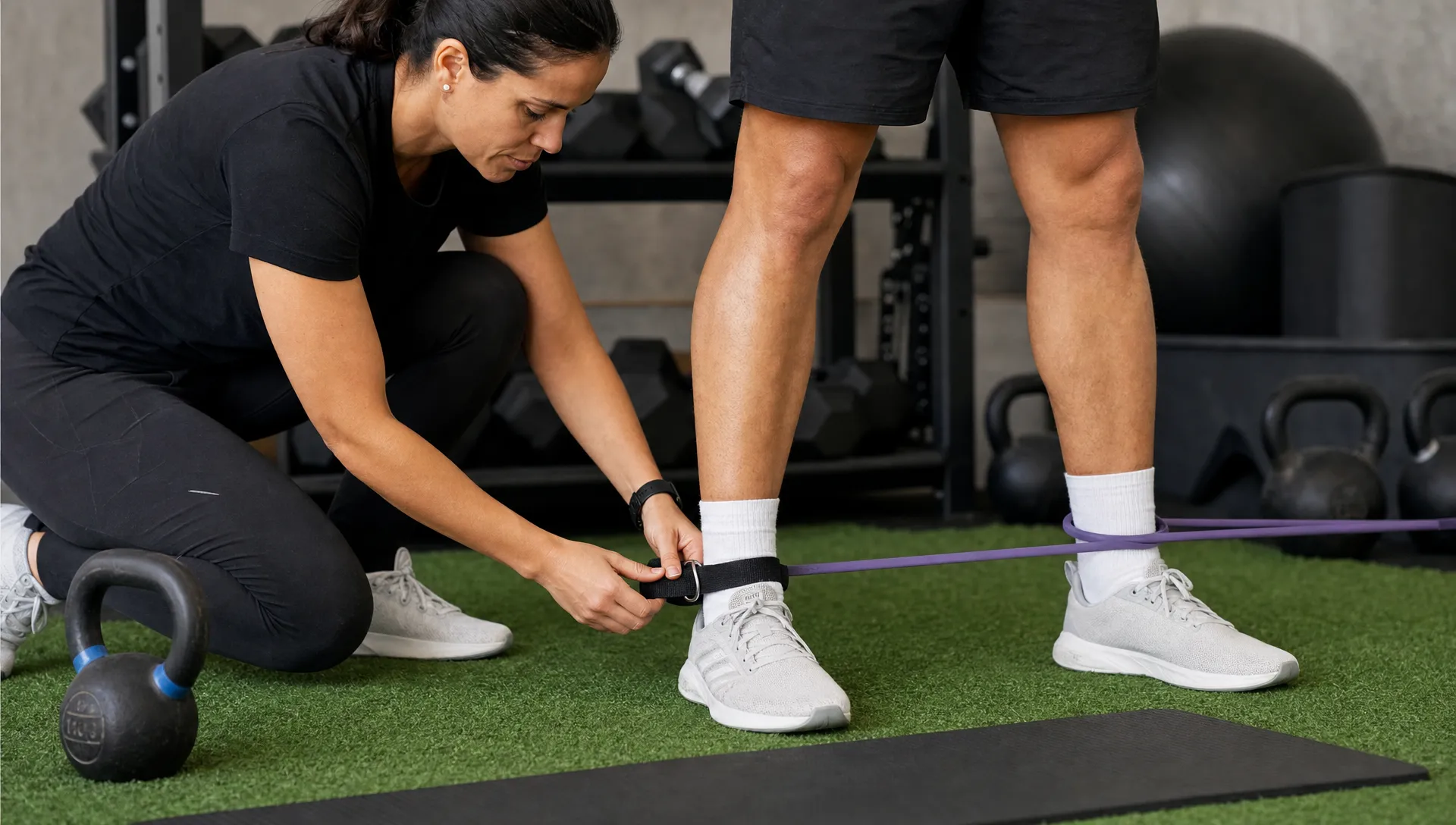


A new client special is usually your first real look inside a training studio, not just a discounted workout. Done well, it helps you answer practical questions: Do the coaches understand your goals? Is the assessment process thoughtful? Can the studio build a plan that fits your schedule, body and life in San Francisco?
For busy professionals, returning exercisers or anyone who wants more structure than a standard gym membership, the best intro offer should feel organized from the first conversation. You are not simply trying equipment. You are evaluating whether the studio can help you train safely, measure progress and make better decisions about fitness, nutrition and recovery.
What a new client special is designed to show you
A strong new client special reduces the risk of starting with a studio. Instead of committing to a full training package before you understand the environment, you get a defined entry point to experience the coaching process.
The exact structure varies by studio. Some include a consultation, one or more personal training sessions, a movement assessment, body composition testing or a plan review. Others are more basic. Before you book, ask what is included, how long the special lasts and whether any testing or nutrition consultation is part of the offer.
The point is not to be sold as quickly as possible. The point is to determine fit. A quality studio should use the introductory period to learn about your goals, training history, injury background, schedule constraints and preferred coaching style. If you are comparing options, this is also the time to look at privacy, cleanliness, equipment quality and how well the staff communicates.
If you want a deeper framework for evaluating the environment itself, Custom Fit’s guide on what to look for in a private training gym explains the details that separate a thoughtful training experience from a generic workout space.
Before your first session: intake, goals and health history
Expect a good studio to ask questions before asking you to lift heavy or push hard. Your intake may cover medical history, current medications, orthopedic issues, previous training experience, sleep, stress, travel demands and what you want to change.
This is especially important if you have been inconsistent with training, are returning after an injury or have performance goals that require a more precise plan. The American College of Sports Medicine’s position stand on exercise programming emphasizes that effective fitness plans should account for aerobic training, resistance training, flexibility and neuromotor exercise based on the individual’s needs and baseline capacity (PubMed). In plain terms, your first workout should not be random.
Your coach should also help you define a goal that can be measured. “Get in shape” is a start, but it is not a plan. Better targets might include improving strength, reducing body fat, rebuilding muscle mass, training for a specific event, improving VO2 max or maintaining health markers as you age.
For San Francisco clients coming from demanding work schedules in neighborhoods like SoMa or the Financial District, logistics matter too. A training plan only works if it fits your calendar. The new client period is a good time to discuss realistic training frequency, session length and how to handle travel weeks, late meetings or family commitments.
Assessments you may encounter
A thorough training studio will usually begin with some type of assessment. This does not need to be intimidating. It may include posture, mobility, balance, breathing mechanics, basic strength patterns, cardiovascular capacity or a conversation about nutrition habits.
Some studios also offer body composition testing. When DEXA scans are part of the process, they can provide a more detailed look at body fat, lean mass, bone density and visceral fat than a standard scale. At Custom Fit, DEXA scans are performed by Registered Dietitians or Exercise Physiologists. That matters because clients are working with professionals who understand nutrition, exercise physiology and body composition, not simply receiving an automated scan report without context.
This professional interpretation can help you avoid common mistakes. For example, a lower scale weight is not always the right goal if you are also trying to maintain or gain muscle mass. A change in visceral fat may be more meaningful for long-term health than a small week to week fluctuation in total weight. A trained professional can explain what your results mean and how to use them to guide training and nutrition.
If a studio offers VO2 max testing, metabolic testing or other advanced assessments, the new client special may introduce you to those services or help determine whether they are appropriate later. Do not assume every test is included in an intro offer. Ask directly so you understand the scope before you arrive.
What the first training session should feel like
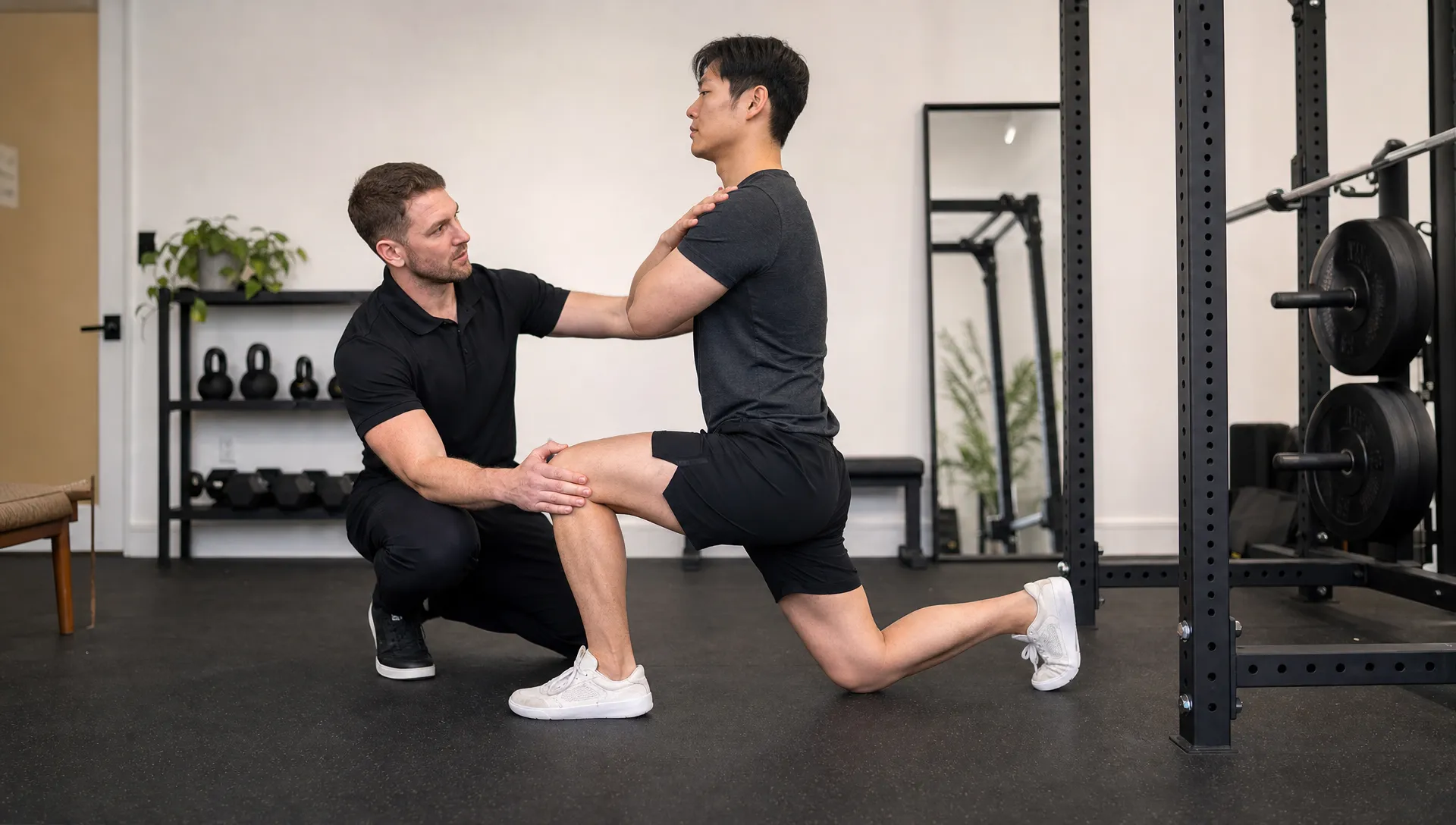
Your first session should feel purposeful, not punishing. A capable trainer will likely start with a warmup, observe how you move, coach technique and adjust the workout based on your ability that day. You should leave with a sense that the coach is paying attention to detail.
Strength training may include foundational movements like squats, hinges, presses, pulls, carries or core work. The exact exercises should depend on your body, not on a prewritten template. If you are new to training, the coach should explain setup and form clearly. If you are more experienced, the coach may use the session to identify gaps in control, mobility or load tolerance.
Resistance training is not just for aesthetics. A review by Wayne Westcott in Current Sports Medicine Reports describes resistance training as a valuable tool for improving muscle mass, metabolic health, physical function and injury resilience (PubMed). A good new client session should connect that bigger picture to the specific work you are doing in the gym.
You should not feel pressured to prove your toughness. Soreness is not the same as progress. The right first session gives the trainer useful information and gives you enough confidence to return.
Questions to clarify before you commit
The new client period is also your chance to understand the business side of the relationship. A polished studio should be transparent about scheduling, trainer assignment, package options and the next step after the special ends.
| What to clarify | Why it matters | A good sign |
|---|---|---|
| What is included in the special | Prevents confusion about sessions, testing or consultations | The studio explains inclusions before you book |
| Who you will work with | Trainer fit affects consistency and trust | Your coach has relevant experience for your goals |
| How progress is tracked | Measurements keep the plan objective | The studio uses assessments, notes or periodic reviews |
| What happens after the intro | Helps you avoid a rushed decision | You receive a clear recommendation without pressure |
| Cancellation and scheduling policies | Busy calendars need flexibility and clarity | Policies are easy to understand upfront |
If you are comparing intro offers, price should not be the only factor. A cheap session with no assessment, no plan and no follow-up may not be valuable. A more structured special can save time by helping you identify the right training frequency and support level sooner.
For more detail on how training options are commonly structured, see Custom Fit’s breakdown of what should be included in a personal training package.
Nutrition and recovery may be part of the conversation
Many people start with training but need support outside the session to get results. Your coach may ask about protein intake, meal timing, alcohol, hydration, sleep and weekend habits. This should feel practical, not judgmental.
The International Society of Sports Nutrition’s position stand on diets and body composition notes that changes in body composition depend on a mix of energy intake, protein, resistance training, adherence and individual preference (Journal of the International Society of Sports Nutrition). That is why a studio with nutrition coaching or Registered Dietitians can be valuable, especially if your goal involves fat loss, muscle gain, performance or longevity.
Recovery is another area to discuss during an introductory period. Ask how the studio thinks about rest days, mobility work, sleep, stress and recovery tools. Some clients also build home recovery routines to complement studio training, using options such as premium saunas, cold plunges and steam showers when appropriate for their health status and lifestyle.
No recovery tool replaces smart programming. The foundation is still consistent training, enough sleep, adequate nutrition and gradual progression. But a good studio should be able to explain how recovery fits into the full plan rather than treating it as an afterthought.
How the studio should summarize your next steps
By the end of a new client special, you should understand what the studio recommends and why. The recommendation may include training frequency, nutrition support, additional testing, recovery work or a longer membership. The key is that the next step should connect back to your goals and assessment results.
A useful summary might include what the coach observed, which priorities matter most, what to focus on first and how progress will be measured. If a studio only says “you should train three times per week” without explaining the reasoning, ask for more context.
This is also the moment to ask consultation questions that may not have come up naturally. Custom Fit’s guide to what to ask during a personal training consultation can help you evaluate coaching style, credentials and planning before you make a longer commitment.
Green flags and red flags during a new client special
A good training studio makes you feel both supported and challenged. You should notice professionalism in small details: organized scheduling, clear communication, clean equipment, thoughtful coaching cues and a plan that reflects your starting point.
Green flags include an intake process, individualized exercise selection, clear explanations, realistic goal setting and no shame-based language. You should feel comfortable asking questions. You should also feel that the trainer is watching how you move, not just counting reps.
Red flags include high-pressure sales tactics, vague claims, one-size-fits-all workouts, lack of attention to injury history or a promise of extreme results in a short time. Be cautious if the first session feels like a test of endurance rather than an evaluation of what you need.
The right studio will not overwhelm you with every possible service at once. Instead, it will help you prioritize. For one client, that might mean two weekly strength sessions and basic nutrition changes. For another, it might mean DEXA, VO2 max testing, a more advanced strength program and recovery work. The best plan is the one you can repeat consistently and measure honestly.
Frequently Asked Questions
Is a new client special the same as a free trial? Not always. A new client special is usually an introductory offer for people who have not worked with the studio before. It may be discounted, packaged or limited in time. Always confirm what is included before booking.
Should my first personal training session be very hard? It should be appropriately challenging, but it should not feel reckless. The first session is often partly an assessment, so your coach should prioritize movement quality, safety and learning how your body responds.
What should I bring to a new client session? Bring comfortable training clothes, athletic shoes, water and any relevant health or injury information. If you have recent lab work, body composition data or physician recommendations, ask the studio whether those would be useful.
Can beginners use a new client special? Yes. In many cases, beginners benefit the most because the coach can help establish safe technique, realistic goals and a sustainable routine before bad habits form.
Will a DEXA scan be included? It depends on the studio and the specific offer. If you are interested in DEXA, ask whether it is included or available as an add-on. At Custom Fit, DEXA scans are performed by Registered Dietitians or Exercise Physiologists who can explain the results through the lens of nutrition, training and body composition.
Ready to experience a more personalized start?
A new client special should give you clarity, not confusion. Use it to evaluate the coaching, the assessment process and whether the studio can build a plan that matches your goals and lifestyle.
If you want a data-driven fitness and wellness experience in San Francisco, explore Custom Fit and ask about the current new client special, personal training, nutrition coaching, DEXA scans, VO2 max testing and recovery options.