What Should Be Included in a Personal Training Package?
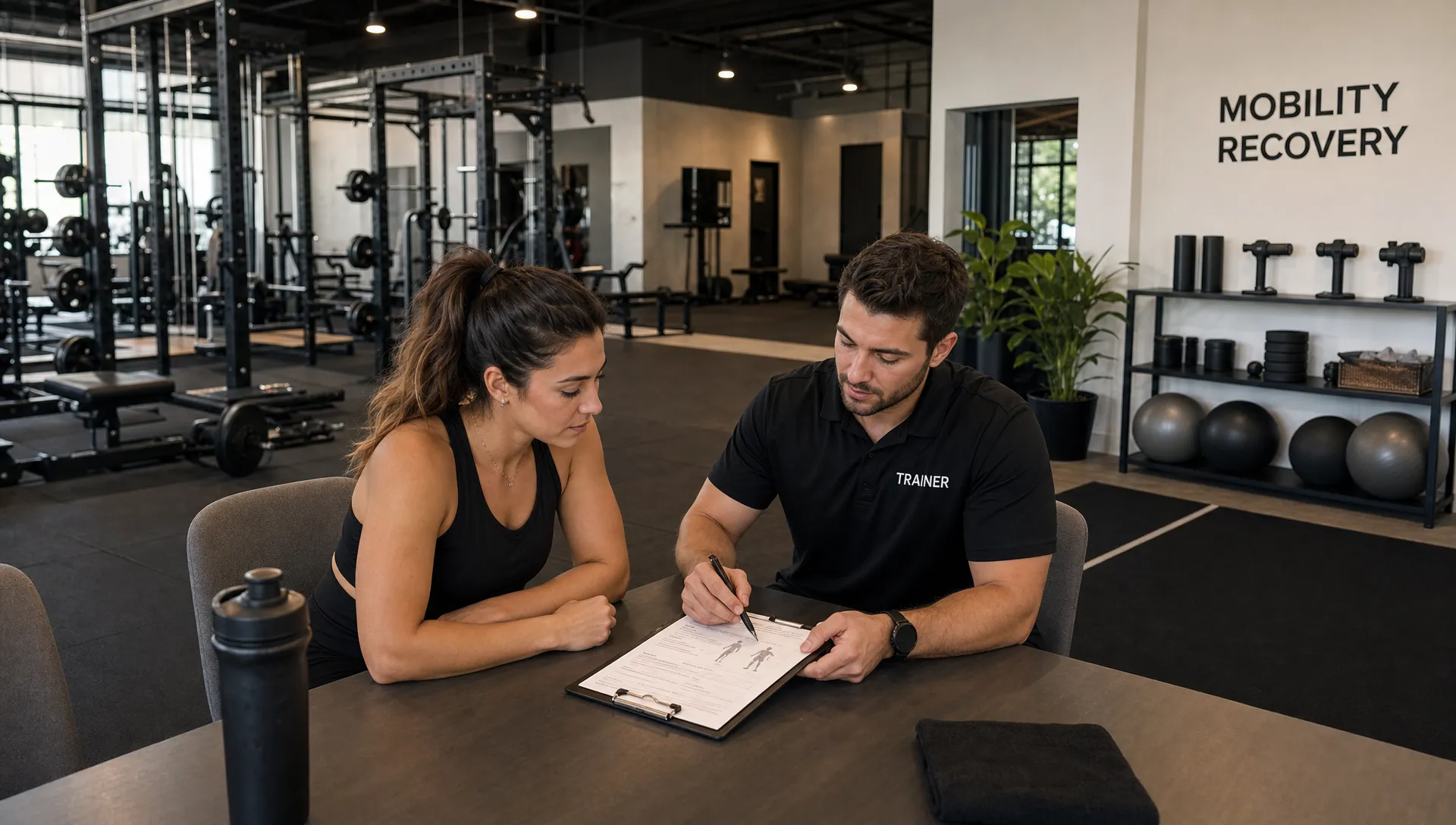


A personal training package should do more than reserve time on a trainer’s calendar. The best packages define where you are starting, what you are trying to change, how your workouts will progress, and how results will be measured. For busy San Francisco professionals, medical practices, concierge wellness teams, and anyone investing seriously in health, that clarity matters.
A strong package answers one simple question: What exactly am I getting, and how will it move me toward my goal? If the answer is only “sessions,” the package is incomplete.
Start with the goal, not the session count
Many people shop for personal training by comparing the number of sessions per month. That is understandable, but it is not the best way to evaluate value. Ten sessions with no assessment, no progression plan, no nutrition support, and no accountability may be less useful than a smaller, better-designed package built around your data and schedule.
A well-structured personal training package should begin with a defined outcome. That outcome may be fat loss, strength, better metabolic health, injury resilience, improved endurance, or longevity. For some clients, it may be fitting consistent training into a demanding workweek without burning out.
Before discussing frequency, the trainer or facility should ask about your health history, goals, current activity level, schedule, sleep, stress, nutrition, limitations, and previous training experience. The package should then translate those factors into a realistic plan.
If you are trying to build consistency first, you may benefit from guidance on how to design a routine you can maintain. Custom Fit has covered this in more depth in its guide to building a personal fitness program you can stick to, which is a useful companion to evaluating any training package.
A complete intake and baseline assessment
A personal training package should include an initial assessment before the workouts begin. Without a baseline, your trainer is guessing. The assessment does not need to be intimidating, but it should be specific enough to guide programming.
At minimum, look for an intake process that covers medical history, injuries, medications that may affect training, exercise experience, lifestyle constraints, and personal goals. A movement assessment can help identify mobility restrictions, strength asymmetries, balance issues, and movement patterns that may influence exercise selection.
For clients who want a more data-driven approach, advanced testing can add significant value. Depending on the facility, this may include DEXA scans for body composition, VO2 max testing, blood pressure screening, or other performance and longevity assessments.
VO2 max is especially useful for clients focused on cardiovascular fitness and longevity. Research has consistently linked cardiorespiratory fitness with long-term health outcomes. A large study published in JAMA Network Open found that higher cardiorespiratory fitness was associated with lower all-cause mortality risk, reinforcing why endurance capacity is more than an athletic metric.
This is where a premium facility can separate itself from a basic training studio. If you want to understand how training decisions can be guided by objective metrics, Custom Fit explains its approach to personal training in San Francisco built around your data.
A personalized training plan with clear progression
A personal training package should include a written or clearly explained training plan. The plan should not be a random collection of workouts. It should outline how your program will progress over time.
Progression is the foundation of results. In strength training, that may mean gradually increasing load, volume, exercise complexity, range of motion, or movement quality. In conditioning, it may mean improving heart-rate zones, interval capacity, aerobic base, or recovery between efforts.
The American College of Sports Medicine’s resistance training progression model, published in Medicine & Science in Sports & Exercise, emphasizes the importance of manipulating variables such as load, volume, rest periods, and exercise selection over time. In practical terms, your trainer should be able to explain why today’s session looks the way it does and how it connects to the next four to twelve weeks.
A good package should specify:
- How often you will train with a coach
- Whether you will receive workouts to complete independently
- How the program changes as you improve
- What metrics will be reviewed over time
- How your plan adapts if you travel, get sick, or have a demanding workweek
For high-performing professionals, this flexibility is critical. A plan that collapses every time your calendar changes is not a plan. Your training package should be designed for real life, not an idealized schedule.
Qualified coaching and the right trainer match
The package should also make clear who is coaching you. A quality personal training experience depends heavily on the trainer’s education, experience, communication style, and ability to adapt.
Credentials are not everything, but they matter. Look for trainers with reputable certifications, continuing education, and experience working with clients like you. If you have a history of injury, metabolic concerns, or performance goals, ask whether the trainer has experience in that area and how they coordinate with dietitians, physicians, physical therapists, or other professionals when needed.
The trainer match is especially important in a private or premium setting. Some clients need a highly technical coach. Others need accountability, efficient workouts, and minimal friction. Some want athletic performance. Others want to improve biomarkers, strength, and energy for the next decade of life.
Your package should include a coaching relationship that fits your goals, not just the next available trainer.
Nutrition support that matches the training goal
Training and nutrition are inseparable. If your personal training package does not include nutrition support, it should at least explain how nutrition will be addressed.
For fat loss, nutrition determines whether your training creates the intended body composition change. For muscle gain, protein intake and total calories matter. For endurance, carbohydrate timing and hydration can influence performance. For longevity, nutrition quality, consistency, and metabolic health become central.
The International Society of Sports Nutrition has published a position stand on protein and exercise, noting that physically active individuals often benefit from higher protein intakes than sedentary adults, depending on goals and context. That does not mean everyone needs the same meal plan, but it does mean nutrition should be individualized.
At a premium facility, nutrition support may include coaching from a registered dietitian, macro guidance, meal structure, hydration recommendations, or coordination with body composition testing.
For practical day-to-day guidance, Custom Fit’s article on nutrition for gym-goers is a helpful overview of how food choices support training outcomes.
Recovery, mobility, and lifestyle support
A personal training package should not treat recovery as an afterthought. Your results depend on how well you adapt to training, and adaptation happens between sessions.
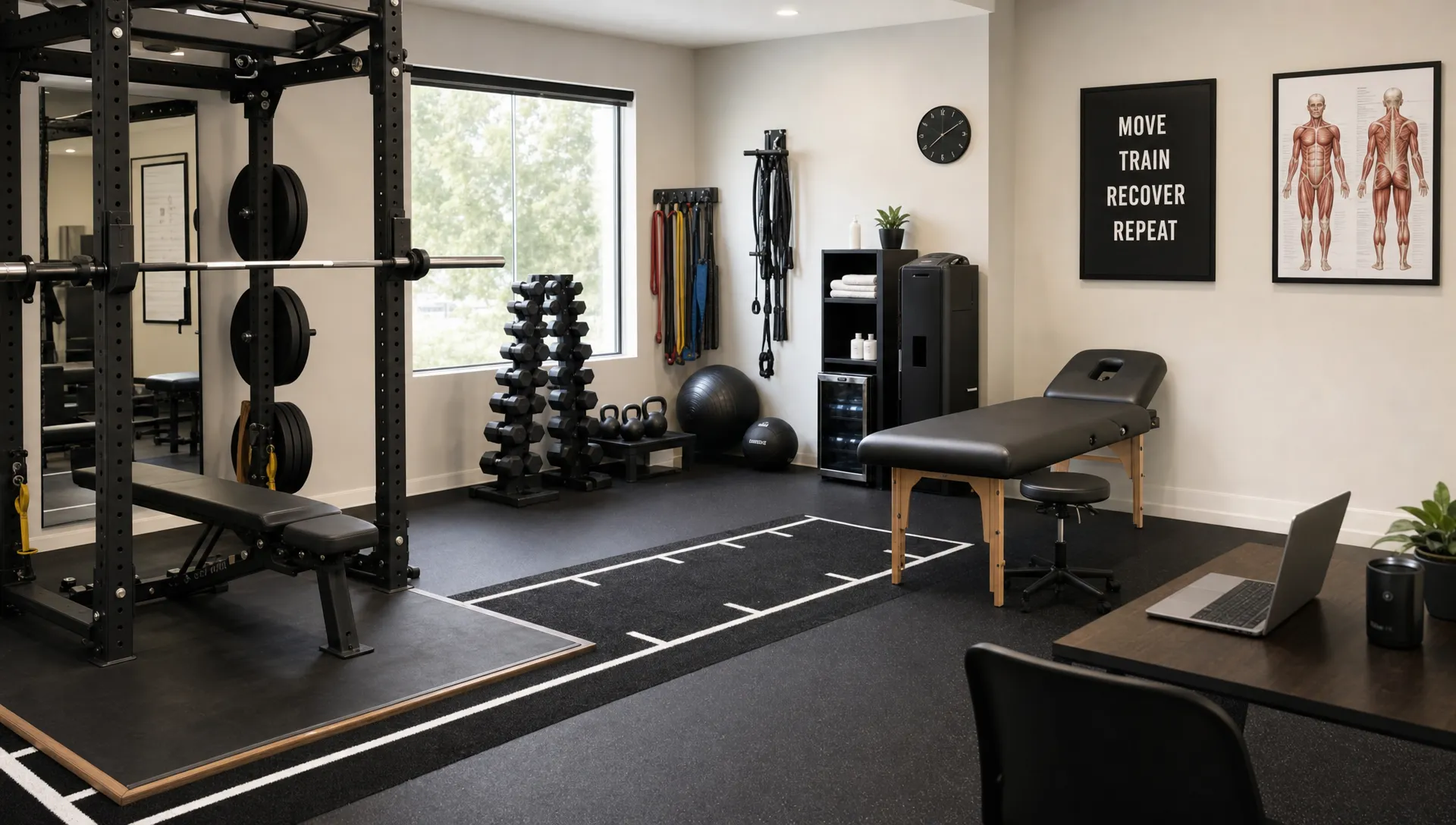
Recovery support may include mobility work, soft tissue strategies, warm-up and cool-down protocols, breathing work, sleep guidance, deload weeks, or access to recovery services. For clients training hard while managing demanding careers, this part of the package can be the difference between sustainable progress and repeated setbacks.
This is also where longevity-focused training becomes more nuanced. The goal is not just to push harder. It is to apply the right dose of stress, recover well, and build capacity over time. A thoughtful package should consider your readiness, stress levels, sleep quality, and training history when adjusting intensity.
Progress tracking and scheduled reviews
If a package promises results, it should include a way to measure them. Progress tracking does not have to be complicated, but it should be consistent.
For body composition goals, tracking may include DEXA scans, circumference measurements, progress photos, scale trends, strength numbers, and nutrition adherence. For performance goals, it may include workout metrics, heart-rate data, VO2 max testing, resting heart rate, power output, or conditioning benchmarks. For general health, it may include energy, sleep, pain levels, mobility, and consistency.
The key is choosing metrics that match the goal. A fat-loss client should not rely only on body weight if strength is increasing and body composition is changing. A longevity-focused client should not judge success only by calories burned. A busy executive may define success as training consistently three times per week, maintaining energy, and improving key health markers over six months.
Your package should also include review points. Monthly or quarterly reviews help determine whether the program is working, whether the goal has changed, and whether the training dose needs adjustment.
Access, scheduling, and facility experience
A personal training package should clearly describe what kind of access is included. This is particularly important in San Francisco, where clients often choose a training facility based on convenience, privacy, equipment quality, and the ability to integrate training into a busy day.
Ask whether the package includes gym access outside of sessions, group classes, partner training options, recovery services, nutrition appointments, or testing. Also clarify whether sessions are private, semi-private, or conducted in a shared gym environment.
For medical practices, concierge medicine groups, longevity clinics, and employee benefits teams, the facility question becomes even more important. Will clients or employees be referred to a private studio? Will testing be coordinated through a partner clinic? Will the training provider communicate professionally with physicians, dietitians, or wellness coordinators?
Before committing to a training package, confirm its scope, scheduling arrangements and the responsibilities of both the client and the provider.
Transparent pricing and package terms
A personal training package should make the financial and practical terms easy to understand. Premium training is an investment, and vague terms create frustration.
Before purchasing, make sure you understand what is included and what costs extra. For example, a package may include personal training sessions but not nutrition coaching, DEXA scans, VO2 max testing, recovery services, or independent gym access. Another package may bundle several of those services together.
Clarify the following before you commit:
- Session length and number of sessions included
- Expiration dates or rollover rules
- Cancellation and rescheduling policies
- Whether assessments and retesting are included
- Communication access between sessions
- Whether nutrition, recovery, or testing services are bundled or separate
Transparency is not just about price. It is about knowing what support you can expect and how the provider will help you move forward.
Safety, personalization, and coordination with healthcare providers
A complete package should include a safety framework. This matters for beginners, older adults, clients returning from injury, and anyone with medical considerations.
The U.S. Department of Health and Human Services recommends that adults perform both aerobic and muscle-strengthening activity as part of a healthy lifestyle. But the right entry point varies widely from person to person. A former college athlete, a desk-bound executive, and a client using training to support metabolic health may all need different starting points.
Your trainer should know when to modify exercises, when to refer out, and when to coordinate with a healthcare professional. For private practice doctors and concierge medicine facilities, this is one of the most important criteria in choosing a training partner. The personal training package should support the client’s broader care plan, not operate in isolation.
Red flags when evaluating a personal training package
Not every package is worth the investment. Be cautious if the provider cannot explain the assessment process, uses the same workouts for everyone, avoids discussing nutrition and recovery, or focuses only on selling more sessions.
Other red flags include unclear cancellation policies, no progress tracking, no trainer continuity, unrealistic body transformation promises, and a lack of professional boundaries. If the package sounds impressive but does not specify what happens after the first workout, ask more questions.
A good provider should welcome those questions. Clarity is a sign of professionalism.
A practical checklist for a strong personal training package
If you are comparing options, use this checklist as a quick filter. The best package for you should include most, if not all, of the following:
- A goal-setting consultation and health intake
- Baseline assessments relevant to your goals
- A personalized training plan with progression
- Qualified coaching and a strong trainer match
- Nutrition guidance or access to a registered dietitian
- Recovery, mobility, and lifestyle support
- Progress tracking and scheduled reassessments
- Clear scheduling, access, and package terms
- Safety modifications and referral protocols when needed
- A realistic plan that fits your actual life
The goal is not to buy the most complicated package. The goal is to buy the most complete package for your needs.
Frequently Asked Questions
What should be included in a personal training package? A complete personal training package should include an intake assessment, goal setting, a personalized training plan, coached sessions, progress tracking, nutrition guidance, recovery support, and clear terms around scheduling, pricing, and access.
How many sessions should I buy in a personal training package? The right number depends on your goal, experience, schedule, and desired accountability. Many clients benefit from two to three coached sessions per week, while others combine one weekly session with independent workouts. The package should be based on the plan, not just a session count.
Should nutrition coaching be part of a personal training package? Ideally, yes. Nutrition plays a major role in fat loss, muscle gain, performance, and metabolic health. If nutrition is not included, the provider should explain whether it is available as an add-on or through a registered dietitian.
Are DEXA scans or VO2 max tests necessary? They are not required for everyone, but they can be valuable if you want precise baseline data and measurable progress. DEXA can help assess body composition, while VO2 max testing can guide cardiovascular training and longevity-focused goals.
What questions should I ask before buying a personal training package? Ask what assessments are included, who will coach you, how the program progresses, how results are measured, what happens between sessions, what services cost extra, and how the plan adapts if your schedule or health status changes.
Build a package around measurable progress
A personal training package should give you more than workouts. It should give you a system: assessment, coaching, nutrition, recovery, accountability, and measurable progress.
At Custom Fit SF, training is designed for people who want a personalized, data-informed approach to fitness and wellness. Whether your goal is strength, body composition, performance, longevity, or a healthier routine you can sustain, the right package starts with understanding your body and building from there.