Is Personal Training Worth It for Busy Professionals?
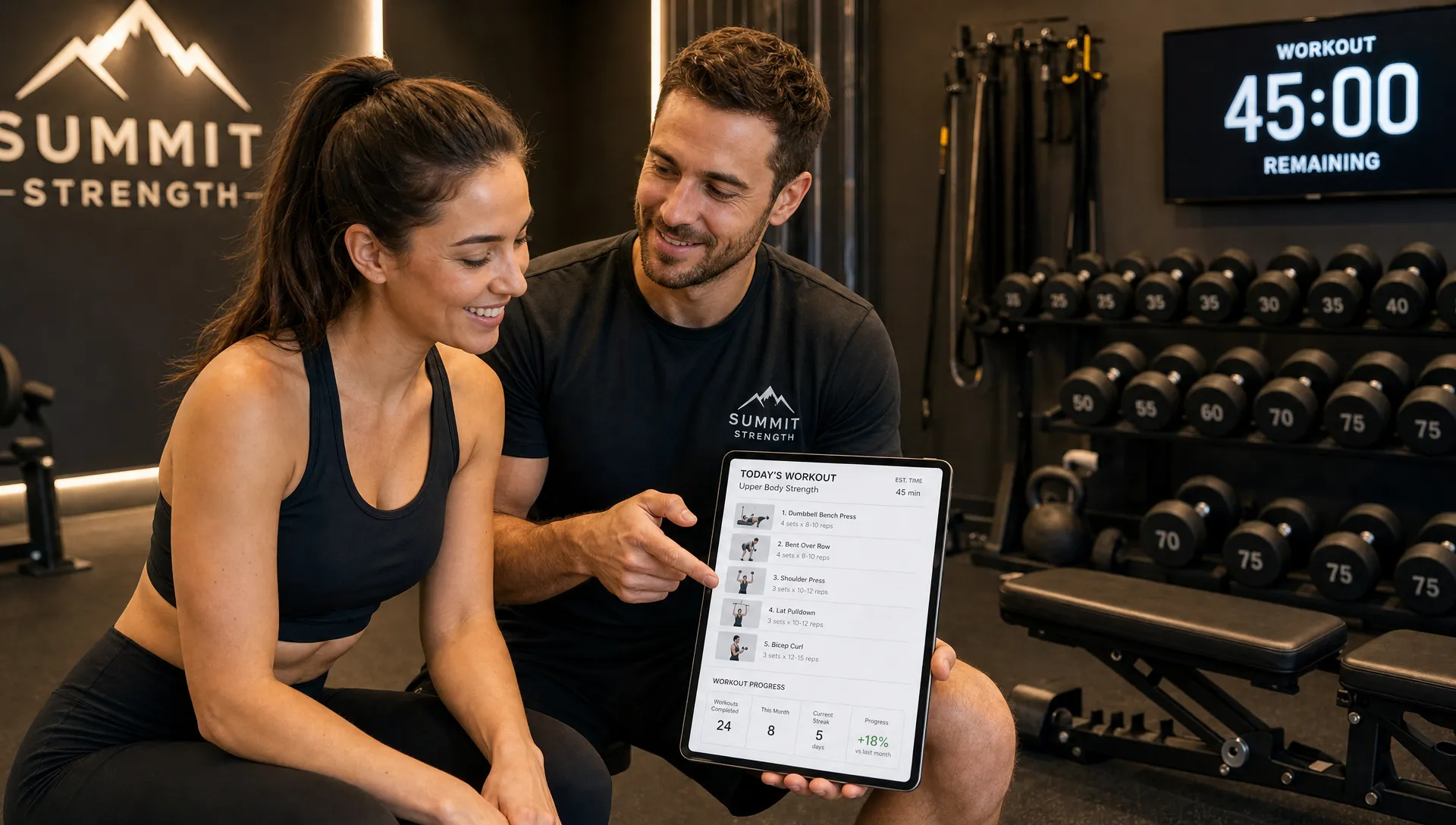


For a busy professional, the real question is not whether personal training “works.” It is whether it works well enough to justify the time, attention, and cost compared with doing it yourself.
The short answer: personal training is worth it when your biggest constraints are schedule pressure, decision fatigue, inconsistent follow-through, unclear programming, or the need for measurable progress. It is less valuable if you already train consistently, know how to progress safely, and simply need access to equipment.
In San Francisco, where long workdays, client dinners, travel, and family obligations can make fitness feel like another job, a well-run personal training program can act as an operating system for your health. It turns vague goals like “get in shape” into appointments, baseline data, progressive workouts, recovery decisions, and nutrition habits that fit a demanding life.
Why personal training is different for busy professionals
Most fitness advice assumes time is the main variable. For busy professionals, time is only part of the problem. The larger issue is often cognitive load.
After a day of meetings, patient care, investor calls, surgeries, leadership decisions, or commuting across the city, the last thing many people want is to design a workout, choose the right weight, decide whether to push or recover, and then track whether the plan is actually working. Even motivated people can lose momentum when every workout requires another set of decisions.
Personal training reduces that friction. A trainer does not just count reps. A good trainer removes guesswork. They help you decide what to do, how hard to do it, when to progress, when to back off, and how to keep training consistent during stressful weeks.
That matters because consistency is where most results come from. The Physical Activity Guidelines for Americans recommend 150 to 300 minutes of moderate-intensity aerobic activity per week, plus muscle-strengthening activity at least two days per week. Those numbers are achievable, but not if your plan falls apart every time work gets intense.
A trainer helps translate broad guidelines into a realistic weekly structure. For many professionals, that might mean two focused strength sessions, targeted cardio, daily movement goals, and a recovery plan that respects sleep, travel, and workload.
What you are really paying for
When people evaluate personal training, they often think they are paying for one hour of exercise. That is too narrow.
A strong personal training relationship includes assessment, planning, coaching, progression, accountability, and course correction. The workout itself is only the most visible part. The value comes from having an expert filter your options and align training with your body, goals, and constraints.
For example, a busy executive who wants to lose body fat, improve strength, and feel better during long workdays does not need a random collection of hard workouts. They need a plan that answers practical questions:
- What should I do when I only have 45 minutes?
- How do I train around a sore back, shoulder, or knee?
- How hard should strength sessions be if I slept five hours?
- How much cardio do I need if I sit most of the day?
- What nutrition habits will move the needle without taking over my life?
This is where a comprehensive approach matters. At Custom Fit SF, personal training can be paired with services such as nutrition coaching, DEXA scans, VO2 max testing, and recovery programs, giving clients more objective information than a scale or mirror alone can provide.
If you are comparing options, it helps to understand what should be included in a personal training package, especially if your goal is measurable progress rather than occasional workouts.
What the research says about supervised training
The evidence supports the idea that supervised, structured training can produce better outcomes than self-directed exercise, especially for people who need accountability and progression.
A study published in the Journal of Strength and Conditioning Research compared supervised, periodized exercise training with self-directed training among health club members. The supervised group showed greater improvements across important fitness variables, supporting what many coaches see in practice: structure and oversight often lead to better execution and better results. You can review the study summary on PubMed.
Supervision also affects intensity. Many people unintentionally train too lightly, especially in resistance training. Research on personal trainers and self-selected exercise intensity has found that guidance can help exercisers choose more appropriate training loads, which is critical because strength and muscle gains require enough stimulus to adapt.
The health stakes are significant. A large cohort study in JAMA Network Open found that higher cardiorespiratory fitness was strongly associated with lower long-term mortality risk. In plain English, improving fitness is not just about looking better. It is connected to resilience, metabolic health, and longevity.
Strength training also has independent value. A 2022 systematic review and meta-analysis in the British Journal of Sports Medicine found that muscle-strengthening activities were associated with lower risk of all-cause mortality, cardiovascular disease, cancer, and diabetes. For professionals investing in long-term health, strength is not optional. It is one of the highest-leverage forms of physical preparation.
The ROI of personal training: time, results, and risk reduction
The return on personal training is easiest to understand through three lenses: time efficiency, result quality, and risk reduction.
First, time efficiency. A self-directed workout can be effective, but only if it is well designed and consistently executed. Many busy people waste months cycling through apps, social media routines, or random gym sessions without enough progression. A trainer can compress the learning curve by giving you a plan that fits your current capacity and adjusts as you improve.
Second, result quality. Two people can spend the same number of hours in the gym and get very different outcomes. Technique, exercise selection, load progression, rest periods, nutrition, and recovery all influence results. A trainer helps keep those variables aligned.
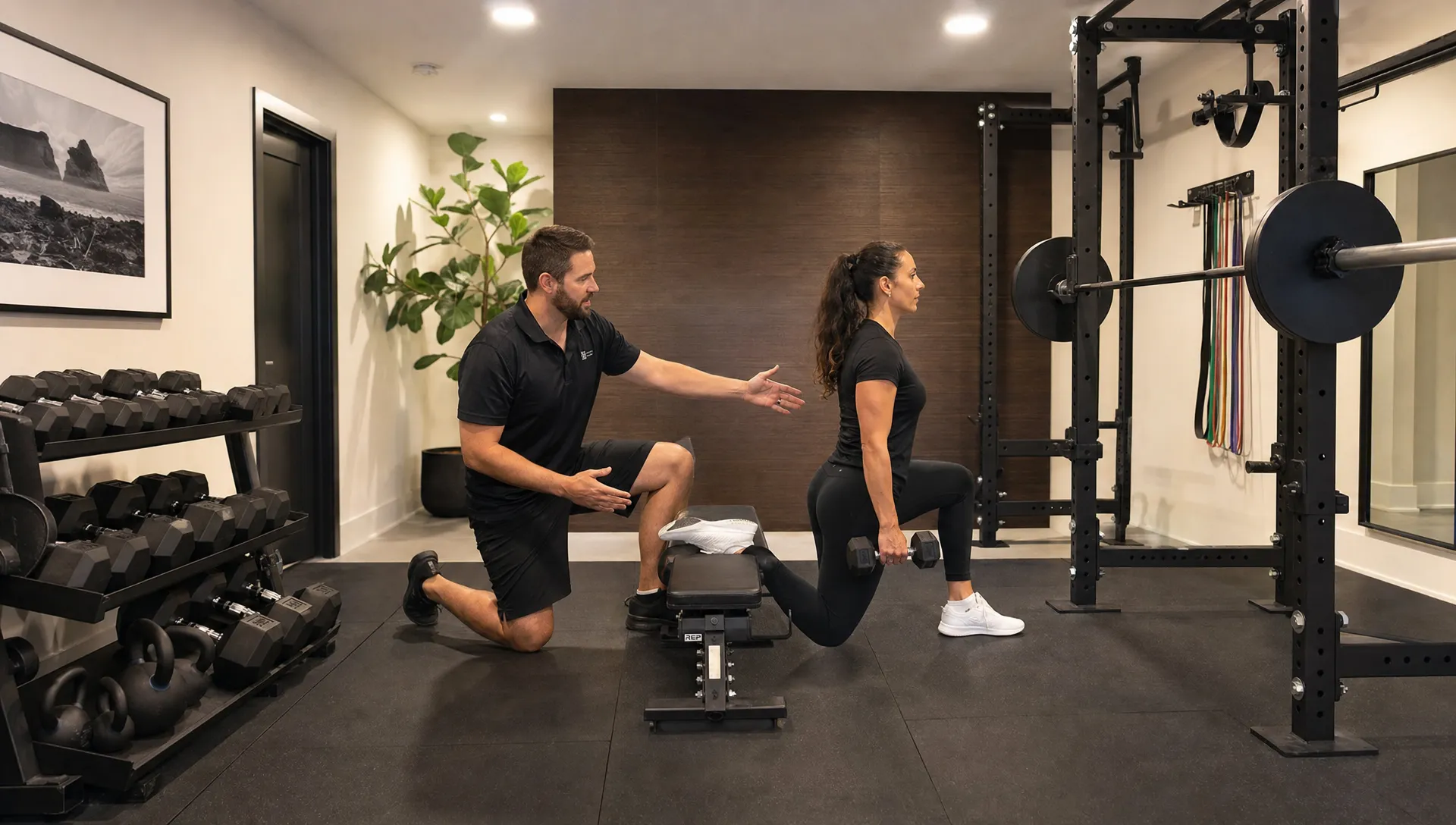
Third, risk reduction. Injury is expensive, not just financially but professionally. A strained back, irritated shoulder, or aggravated knee can disrupt training, sleep, travel, and work performance. While no program eliminates risk, coached movement and appropriate progression can reduce common mistakes like increasing load too quickly or using exercises that do not match your current mobility and strength.
Training can support goals beyond the gym, such as skiing, hiking, cycling or keeping up with an active travel schedule. Tell your trainer which activities matter to you so the plan reflects them.
When personal training is worth it
Personal training is usually worth it if one or more of the following is true.
You have a demanding schedule and need exercise to be planned in advance. Appointments create structure, and structure protects training from being pushed aside by urgent but less important tasks.
You have specific goals, such as fat loss, strength, improved posture, better energy, race preparation, metabolic health, or healthier aging. Specific goals require more than motivation. They require a sequence.
You have started and stopped many times. This is not a character flaw. It often means your plan did not fit your life. Personal training can help build a minimum effective routine that survives busy weeks.
You are returning after injury, time off, or a major life transition. Coaching is especially useful when you need to rebuild intelligently instead of jumping back into what used to work.
You care about measurable progress. If you are used to data in your professional life, you may appreciate training that uses baselines, reassessments, and objective markers rather than relying only on how you feel.
You want to get stronger faster and more safely. For strength goals in particular, coaching can improve technique, loading decisions, and progression. That is why a personal trainer for strength training often works faster than an improvised routine.
When personal training may not be worth it
Personal training is not automatically the best choice for everyone.
If you already train consistently, understand programming, recover well, and know how to progress, you may not need weekly one-on-one coaching. You might benefit more from occasional assessments, programming reviews, gym access, group classes, or targeted testing.
It may also be a poor investment if you are not willing to attend sessions consistently. A trainer can improve the plan and accountability, but they cannot create results without repeated exposure to training.
The wrong trainer can also reduce value. If sessions feel random, your goals are not discussed, progress is not tracked, or every workout is just a hard circuit, you may be paying for effort rather than strategy. Busy professionals need precision, not just intensity.
Finally, personal training may not be necessary if your current goal is simply to move more and rebuild basic consistency. In that case, group classes or a basic membership can be a practical starting point. Personal training becomes more valuable once you want individualized progression, accountability, and measurable change.
How many sessions do busy professionals really need?
There is no universal answer, but many busy adults do well starting with one to three sessions per week depending on goals, experience, and schedule.
Two sessions per week is often a practical sweet spot. It creates enough frequency for skill development and strength progress while leaving room for cardio, mobility, walking, recovery, and life. For someone newer to training, two or three sessions can build confidence faster. For someone experienced, one session per week may be enough if they can complete additional workouts independently.
The best frequency also depends on the level of support outside sessions. If your trainer provides clear homework, cardio targets, recovery guidance, or coordination with nutrition coaching, you may not need as many in-person sessions. If you need more accountability, more frequent appointments may be more effective.
For a deeper breakdown, this guide on how many personal training sessions you really need can help you think through your goal, schedule, and training background.
What to look for in a personal trainer in San Francisco
In a city with many fitness options, the best choice is not always the trendiest workout or the most intense coach. The right trainer should fit your goals, your body, and your reality.
Look for a trainer or studio that starts with assessment. This can include movement screening, strength baselines, body composition analysis, cardiovascular testing, or a clear review of health history and lifestyle constraints. The point is not to collect data for its own sake. The point is to choose the right plan.
You should also look for clear progression. If the workouts are never connected from week to week, you are not following a training program. You are doing exercise sessions. Those can be enjoyable, but they are less reliable for long-term results.
Communication matters as much as credentials. A trainer working with busy professionals should be able to adjust intelligently when you travel, sleep poorly, have a stressful week, or need a shorter session. The plan should be structured but not fragile.
Nutrition support is another advantage. Many professionals train hard but underperform because food choices, protein intake, hydration, alcohol, or meal timing do not match their goals. Registered dietitians and nutrition coaches can help turn training into visible and measurable outcomes.
Recovery should be part of the conversation too. More work is not always better. For high-stress clients, progress often depends on balancing training intensity with sleep, mobility, stress management, and recovery services.
A realistic 90-day expectation
Personal training is not magic, but 90 days is long enough to see meaningful change if the plan is consistent.
In the first month, the focus is usually assessment, technique, routine building, and finding the right training intensity. You may notice better energy, less stiffness, improved confidence in the gym, and a clearer sense of what your body needs.
In the second month, strength and conditioning improvements often become more obvious. Exercises feel smoother, loads may increase, and workouts become less mentally taxing because the routine is familiar.
By the third month, body composition, performance, and habit changes are easier to evaluate. This is where objective measures can be useful. A DEXA scan may help distinguish fat loss from muscle gain, while VO2 max testing can show changes in cardiovascular fitness. Not every client needs every test, but data can make progress clearer and help guide the next phase.
The key is to avoid judging value only by soreness or sweat. A good program should make you stronger, more capable, and more consistent, not just exhausted.
So, is personal training worth it?
For busy professionals, personal training is worth it when it solves a real bottleneck.
If your bottleneck is lack of knowledge, a trainer gives you expertise. If your bottleneck is inconsistency, a trainer gives you structure and accountability. If your bottleneck is poor results despite effort, a trainer gives you better programming and feedback. If your bottleneck is time, a trainer helps make each session count.
The best personal training programs do not demand that you build your life around fitness. They build fitness around the life you actually have, then gradually raise your capacity so you can do more with less friction.
That is the real value. Not just workouts, but a smarter system for health, performance, and longevity.
Frequently Asked Questions
Is personal training worth it if I only have time to train twice a week? Yes, it can be. Two well-designed strength sessions per week can produce meaningful improvements, especially when paired with daily movement, cardio targets, and nutrition habits. The key is making those sessions progressive and consistent.
How long does it take to see results from personal training? Many people feel better within a few weeks, especially in energy, confidence, and movement quality. Visible body composition or strength changes often become clearer over 8 to 12 weeks, depending on nutrition, sleep, recovery, and training frequency.
Do I need personal training forever? Not necessarily. Some clients use personal training intensively for a few months to build skill and momentum, then shift to less frequent coaching. Others prefer ongoing support because accountability and expert programming help them stay consistent.
Is personal training better than group fitness classes? It depends on your goals. Group classes can be excellent for consistency and community. Personal training is usually better when you need individualized programming, injury modifications, strength progression, or specific performance and body composition goals.
What should I ask before hiring a personal trainer? Ask how they assess new clients, how they track progress, how they adjust training for travel or stress, and whether they coordinate with nutrition or recovery support. You should understand the plan, not just the session format.
Ready to make training fit your schedule?
If you are a busy San Francisco professional, the right fitness plan should save time, reduce guesswork, and produce measurable progress. Custom Fit SF combines personal training with data-driven services such as nutrition coaching, DEXA scans, VO2 max testing, and recovery programs to help you train with more precision.
Explore Custom Fit SF to learn how a personalized approach can support your strength, health, and longevity goals.