What Results to Expect From Working With a Personal Trainer
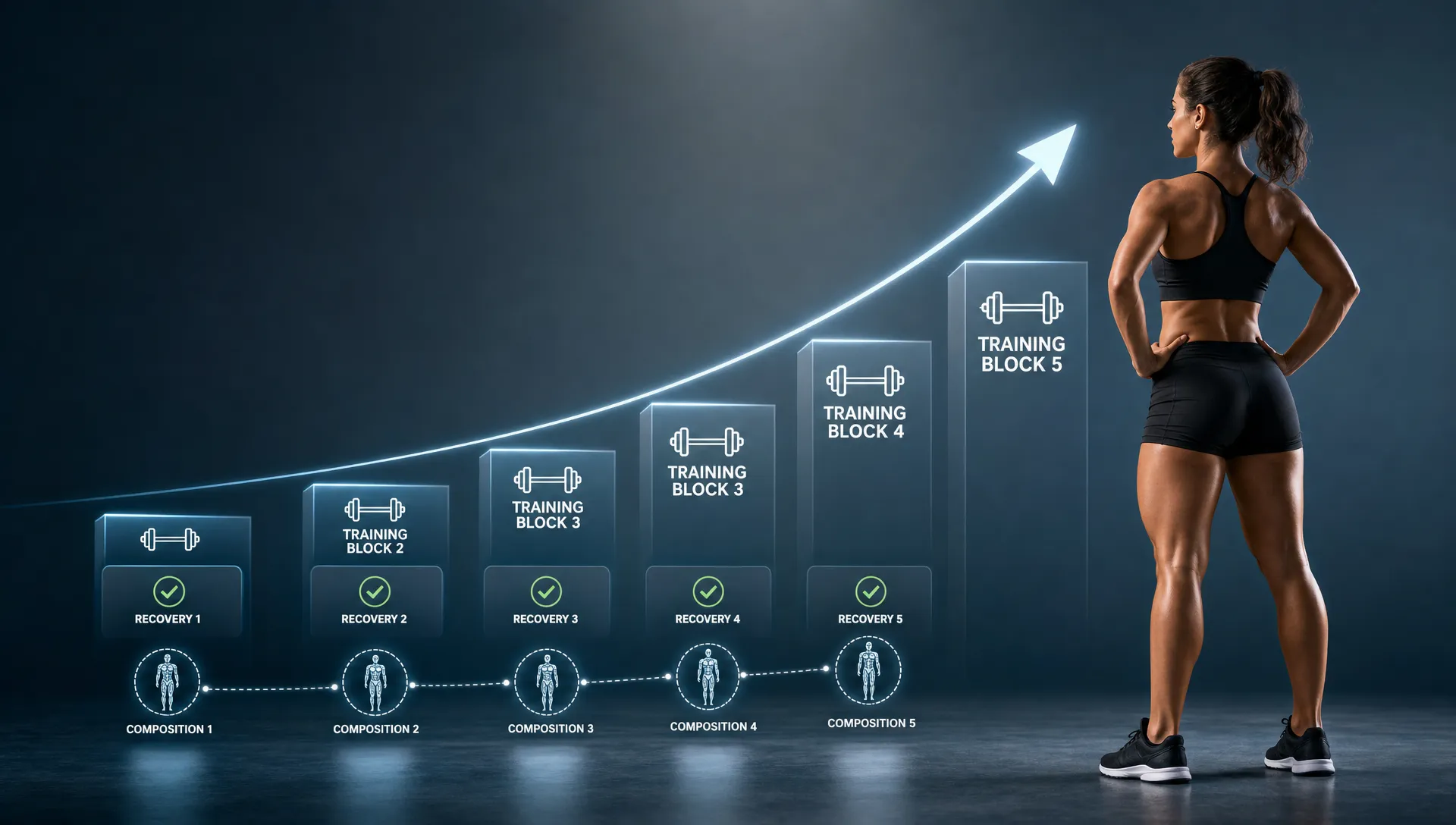


The results from working out with a personal trainer usually appear in layers. First you feel more organized and confident. Then you start lifting more, moving better and recovering faster. Over time, the visible changes catch up with the performance changes, especially when training is paired with nutrition, sleep and consistent scheduling.
A good trainer should not promise a dramatic transformation in two weeks. The more useful promise is this: your workouts become more precise, your effort is directed toward a plan and your progress is tracked instead of guessed. For busy San Francisco professionals moving between a SoMa office, a commute across town and evening commitments, that structure can be the difference between exercising occasionally and actually training.
The first result is less guesswork
Most people do not struggle because they lack effort. They struggle because every workout requires too many decisions: what exercises to do, how hard to push, when to add weight, whether soreness is normal and how to adjust after a stressful week.
A personal trainer turns those decisions into a system. Your sessions should have a clear purpose, such as building lower-body strength, improving shoulder mechanics, increasing work capacity or supporting fat loss without losing muscle. That clarity matters because random hard workouts can make you tired without moving you closer to the result you want.
Research supports the value of structure and supervision. A study published in Medicine & Science in Sports & Exercise found that directly supervised resistance training produced greater strength improvements than unsupervised training in the participants studied, likely because supervision improved exercise selection, load progression and training quality. The American College of Sports Medicine also emphasizes progressive overload and planned variation in its progression models for resistance training, which is exactly where skilled coaching makes day-to-day decisions easier.
If your main barrier is time rather than motivation, the value of coaching is often less about motivation and more about efficiency. Custom Fit has written more specifically about whether personal training is worth it for busy professionals, especially when work demands make consistency hard to protect.
What to expect in the first two weeks
The first two weeks are usually about assessment, technique and building rhythm. You may not look dramatically different yet, but you should understand your plan better than you did before.
Your trainer may evaluate movement patterns, injury history, training experience, schedule constraints, nutrition habits and recovery. In your sessions, you might spend time learning how to hinge, squat, press, pull, brace and breathe under load. This may feel slower than a high-intensity class, but it gives your training a stronger foundation.
Common early results include better exercise confidence, less wasted time in the gym, more awareness of posture and movement and a clearer sense of what “hard enough” feels like. You may also feel some soreness as your body adapts, though soreness should not be treated as the goal. A well-coached program should challenge you without making normal work, travel or family life harder than it needs to be.
For beginners, the first wins often come from neural adaptation. Your nervous system gets better at coordinating movement before major muscle growth occurs. That is why you might lift more weight in week two or three even if your body composition has not changed yet.
What to expect after four to six weeks
By the four to six week mark, many people notice measurable improvements in strength and workout capacity. You may be able to complete more reps with the same weight, use heavier loads with better form or recover more quickly between sets.
You may also notice changes outside the gym. Stairs feel easier, your posture feels more natural at your desk and everyday tasks require less effort. If your program includes conditioning, you may feel less winded during uphill walks, bike rides or weekend activities around San Francisco.
This is also when consistency becomes visible in your calendar. You have either built a reliable training pattern or you have learned which scheduling obstacles need to be solved. For some clients, the most valuable result is not a new personal record. It is proving that two or three high-quality sessions per week can fit into a demanding life.
At this stage, nutrition starts to matter more. If you want fat loss, muscle gain or improved energy, your eating pattern needs to support the training stimulus. Protein intake, total calories, meal timing, alcohol frequency and late-night work meals can all influence what changes next. A large systematic review and meta-analysis in the British Journal of Sports Medicine found that protein supplementation can support resistance training gains, though the right approach depends on your total diet and goals.
What to expect after eight to twelve weeks
Eight to twelve weeks is a realistic window for more noticeable change. The exact result depends on your starting point, training frequency and nutrition consistency, but this is often when clothes fit differently, strength gains become obvious and body composition begins to shift.
If fat loss is the goal, your trainer should help you preserve or build lean mass while reducing body fat. That is different from simply chasing a lower number on the scale. The scale can miss meaningful progress, especially if you are gaining muscle while losing fat.
If muscle gain is the goal, you may see improvements in the shoulders, back, legs and glutes first through better muscle tone and performance. True hypertrophy takes time, but eight to twelve weeks of progressive training is enough for many clients to notice a difference in how they look and feel.
If your goal is healthspan or longevity, the results may be even broader: better strength-to-bodyweight ratio, improved balance, better aerobic capacity and a training routine you can maintain without burning out.
What physical changes are realistic?
The most realistic physical results fall into a few categories: strength, muscle, body composition, conditioning and movement quality. Not everyone will prioritize all of them at once.
Strength usually improves first because it responds quickly to skill, coordination and progressive loading. If you train consistently, your squat, deadlift, row, press or loaded carry should become more controlled and more capable over time. For a deeper look at this specific outcome, Custom Fit explains why a personal trainer for strength training can work faster than guessing through workouts alone.
Muscle gain tends to require more patience. Beginners often respond quickly, while experienced lifters may need more precise programming, higher training volume and tighter nutrition. Your trainer should help you progress without adding so much volume that your joints, sleep or work performance suffer.
Body composition changes are most reliable when measured well. At Custom Fit, DEXA scans are performed by Registered Dietitians or Exercise Physiologists, so clients are working with professionals who understand nutrition, exercise physiology and body composition rather than simply receiving an automated scan report. That matters when interpreting body fat, muscle mass and visceral fat because the point is not just to collect numbers. The point is to connect those numbers to training, nutrition and recovery decisions.
Conditioning can improve through dedicated cardio, interval work, circuit training or a combination of strength and aerobic programming. If VO2 max testing is part of your assessment plan, it can help clarify whether your conditioning program is improving aerobic fitness rather than just making workouts feel exhausting.
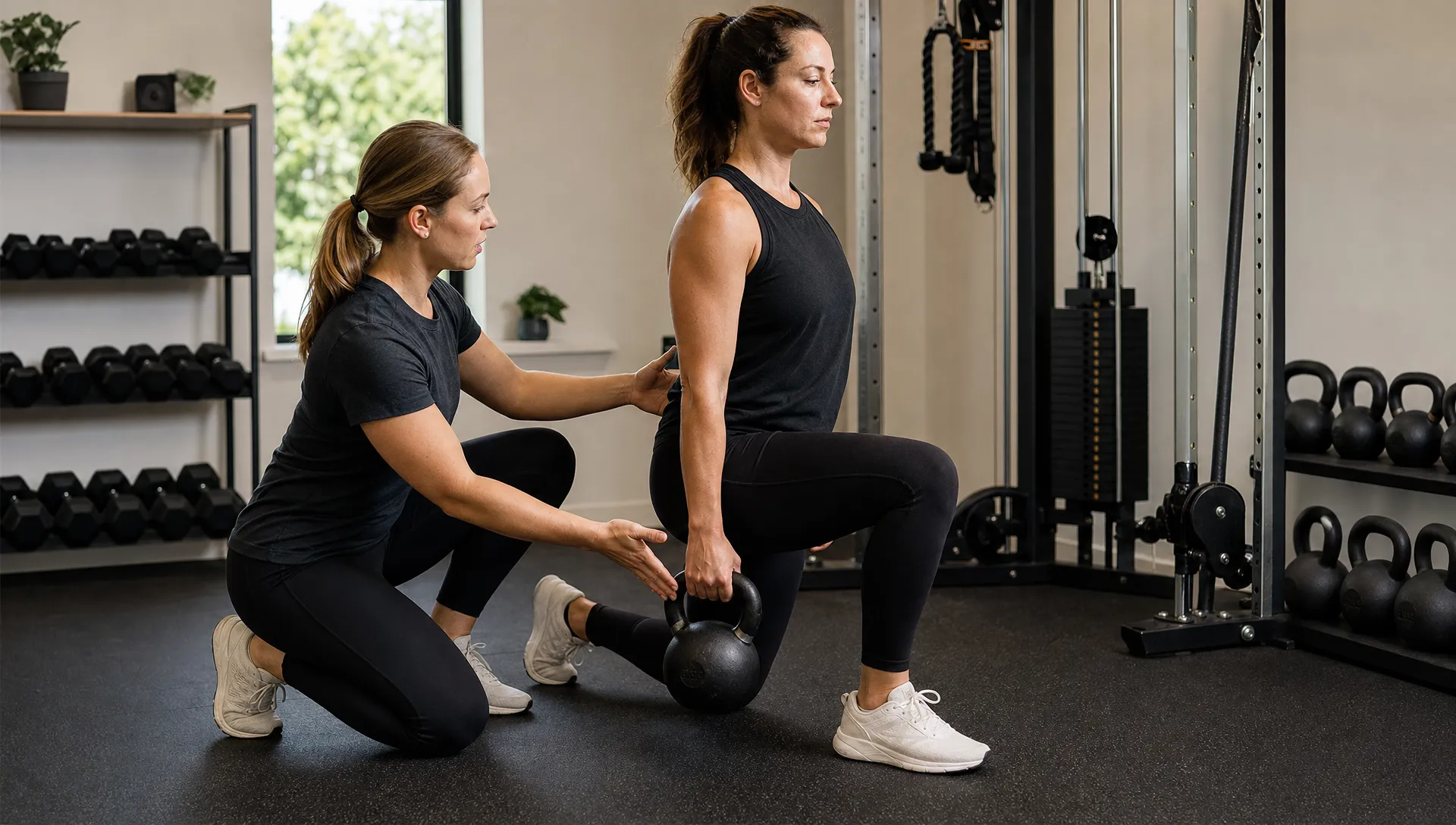
Movement quality is harder to capture in a single metric, but it affects everything. Better hip mobility, trunk control, shoulder stability and balance can reduce compensations and make strength training more productive. This is often one of the biggest differences between a coached plan and a collection of exercises from the internet.
What changes because you have a trainer?
A trainer does not create results by watching you sweat. The value comes from better choices repeated over time.
You should expect your trainer to adjust exercises to your body, progress load when appropriate, pull back when recovery is poor and explain why the plan is changing. If you travel, get sick or have a heavy work week, the plan should adapt instead of collapsing.
Accountability also matters, but not in a guilt-based way. The best accountability is practical. Your sessions are scheduled, your progress is visible and your trainer notices patterns you might miss. If your energy drops every Thursday, if your left hip shifts during squats or if your weekend habits keep undoing weekday progress, those observations become part of the plan.
Small practical details can affect follow-through. Keep a gym bag packed and choose clothing suited to the workout’s movement, comfort and support requirements.
How fast will you see results?
There is no honest universal timeline, but a practical expectation looks like this: you feel more organized within the first two weeks, you see strength and stamina changes within four to six weeks and you see clearer body composition or performance changes after eight to twelve weeks.
Several factors influence the pace:
- Training frequency and session quality
- Nutrition consistency, especially protein and total energy intake
- Sleep, stress and alcohol intake
- Injury history and movement limitations
- Starting fitness level
- How much activity you do outside your sessions
A beginner training two or three times per week with nutrition support may see rapid changes. An experienced client with a demanding job, frequent travel and a specific body composition goal may need more precision and a longer runway.
The goal is not to rush the first visible change. The goal is to create a system that keeps producing results after the initial motivation fades.
Signs your personal training is working
The best signs are not always dramatic. Look for progress that is visible in your training log, your recovery and your daily life.
- You are lifting more weight or completing more quality reps with the same weight.
- Your form is improving, especially under fatigue.
- You understand what each workout is meant to accomplish.
- You recover well enough to train consistently.
- Your measurements, DEXA scan data or performance tests are moving in the right direction.
- You feel more confident training outside of coached sessions.
- Your plan changes when your goals, schedule or body require it.
Red flags include doing random workouts every session, feeling constantly crushed, never discussing nutrition or recovery and having no measurable way to define progress. A hard workout can be useful, but difficulty alone is not a strategy.
How Custom Fit approaches personal training results
At Custom Fit, the training process is built around data-driven fitness, expert coaching and individualized planning. Depending on your goals, that may include personal training, nutrition coaching, DEXA scans, VO2 max testing, recovery services and support from Registered Dietitians.
This integrated approach is valuable because personal training results rarely come from one variable. Strength training creates the stimulus. Nutrition supports adaptation. Recovery allows the body to respond. Testing helps you see whether the plan is working.
For clients in San Francisco, convenience also matters. If you are fitting sessions between meetings, appointments and social commitments, a premium training environment can reduce friction and make consistency easier to maintain. The right gym should feel focused, professional and efficient, not like another crowded place where you have to fight for equipment. If you are comparing options, this guide on what to look for in a private training gym can help you evaluate the environment as well as the coaching.
Frequently Asked Questions
How long does it take to see results from working with a personal trainer? Many clients feel more organized and confident within two weeks, see strength and stamina improvements within four to six weeks and notice clearer body composition or performance changes after eight to twelve weeks. The timeline depends on training frequency, nutrition, sleep and starting point.
Will I lose weight with a personal trainer? You can lose weight with a personal trainer if your training and nutrition create the right conditions. A trainer can help you build muscle, increase activity and stay consistent, but fat loss also depends heavily on diet, sleep, stress and overall energy balance.
Is one session per week enough? One session per week can help with accountability, technique and program direction, especially if you complete additional workouts on your own. For faster strength, body composition or conditioning changes, many people do better with two or three structured sessions per week.
Should my trainer help with nutrition? Your trainer should understand how nutrition affects training, recovery and body composition. For more detailed nutrition planning, working with a Registered Dietitian is ideal, especially if you have medical considerations, performance goals or a history of inconsistent dieting.
How do I know if my results are real and not just scale changes? Track multiple indicators: strength, measurements, progress photos, energy, workout performance and body composition testing when appropriate. DEXA scans can help distinguish changes in fat mass, lean mass and visceral fat when interpreted by qualified professionals.
Ready to see what structured training can change?
If you want clearer goals, smarter programming and measurable progress, Custom Fit can help you build a plan around your body, schedule and health priorities. Explore Custom Fit to learn more about personal training, nutrition coaching, recovery and testing in San Francisco.