Lifting Nutrition That Builds Strength and Supports Recovery
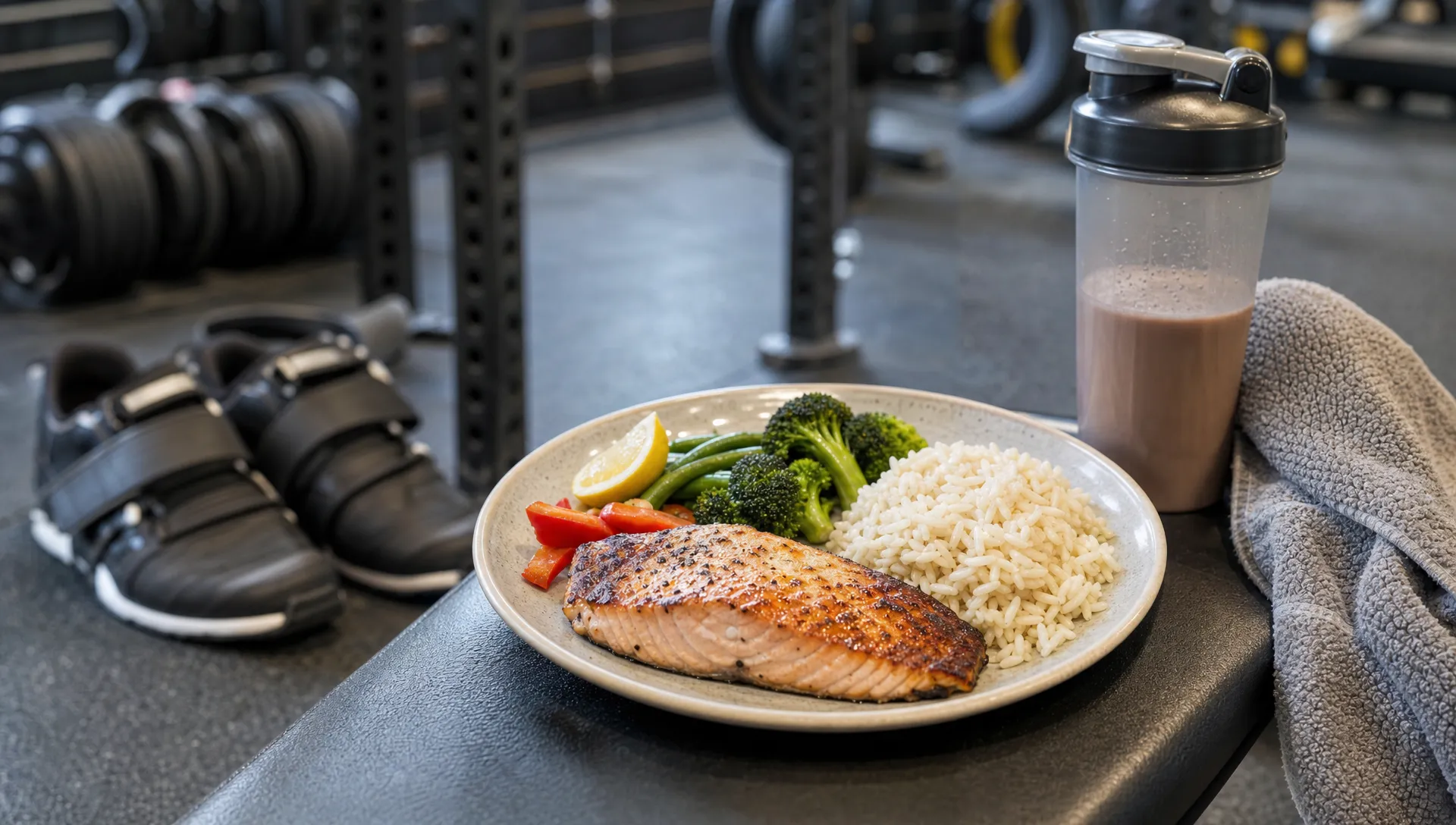


Great lifting nutrition is not a spreadsheet you follow perfectly for two weeks. It is a repeatable system that helps you train hard, repair muscle tissue, manage energy and show up ready for the next session.
For busy San Francisco professionals, that system has to survive real life: early meetings, late dinners, work travel, school drop-off, back-to-back calls and training sessions squeezed in around the Financial District or SoMa. The goal is not to eat like a full-time athlete. The goal is to fuel like someone who expects strength, lean mass and recovery to improve.
What lifting nutrition actually needs to do
Resistance training creates a stimulus. Nutrition determines how well your body can respond to it. If your food intake is inconsistent, strength progress often stalls before your program does.
The foundation comes down to four jobs:
| Lifting goal | Nutrition priority | Practical focus |
|---|---|---|
| Build strength | Enough total energy | Avoid chronically under-eating on hard training days |
| Build muscle | Adequate daily protein | Spread protein across meals instead of saving it all for dinner |
| Train with quality | Enough carbohydrates | Fuel higher-volume sessions and repeated hard sets |
| Recover well | Fluids, electrolytes and micronutrients | Support sleep, hydration, tissue repair and energy levels |
If you already train consistently, small nutrition changes can produce a noticeable difference. A better pre-workout meal may help you finish your final sets with more speed. A higher-protein breakfast may reduce late-night snacking. More carbs around heavy lower-body days may improve training quality without requiring a major lifestyle overhaul.
Start with enough total energy
Many lifters think they have a protein problem when they really have an energy problem. If you train hard but eat too little, your body has to prioritize basic energy needs before it invests in building new muscle tissue.
For muscle gain, a modest calorie surplus is usually more effective than aggressive overeating. For fat loss, a moderate deficit is easier to recover from than a crash diet. For body recomposition, where you aim to lose fat and gain or maintain muscle, consistency matters more than dramatic weekly changes.
This is where body composition data can help. Scale weight alone cannot tell you whether you gained muscle mass, lost fat or simply shifted hydration. A DEXA scan can give a clearer look at lean mass, fat mass and regional body composition. At Custom Fit, DEXA scans are performed by Registered Dietitians or Exercise Physiologists, so clients are not simply receiving an automated scan report. They are working with professionals who understand nutrition, exercise physiology and body composition, which makes the data more useful for real training decisions.
Protein: the non-negotiable for strength and muscle
Protein provides amino acids that your body uses to repair and build muscle tissue. It also helps with satiety, which is useful whether your goal is muscle gain, fat loss or maintenance.
A strong evidence-based target for lifters is often around 1.6 to 2.2 grams of protein per kilogram of body weight per day. A 2018 meta-analysis led by Robert Morton in the British Journal of Sports Medicine found that protein supplementation improved strength and fat-free mass gains during resistance training, with benefits plateauing around 1.6 grams per kilogram per day for many people. The International Society of Sports Nutrition position stand on protein and exercise also supports higher protein intakes for active people seeking muscle gain, recovery and body composition improvements.
For most lifters, the easiest way to hit that target is to spread protein across three to five meals. You do not need to obsess over every gram, but each meal should have a clear protein anchor such as eggs, Greek yogurt, fish, poultry, lean meat, tofu, tempeh, beans, lentils or a high-quality protein powder.
If dinner is your only high-protein meal, you are making recovery harder than it needs to be. A protein-rich breakfast and lunch help distribute amino acids throughout the day, which is especially useful if you lift in the afternoon or evening.
Carbohydrates make hard training possible
Carbs are often the first thing people cut when they want to get leaner. That can work for some goals, but for serious lifting it often backfires. Resistance training, especially higher-volume sessions with multiple sets, relies heavily on muscle glycogen. Low glycogen does not always ruin a workout, but it can reduce output, bar speed and total quality work.
Carb needs depend on training volume, body size, goals and metabolic health. A lifter training three days per week with mostly low-volume strength work may need less than someone doing four strength sessions plus conditioning. The practical question is simple: are your workouts flat, are you dragging through the second half of sessions or are you struggling to recover between hard days? If so, carbs are one of the first levers to review.
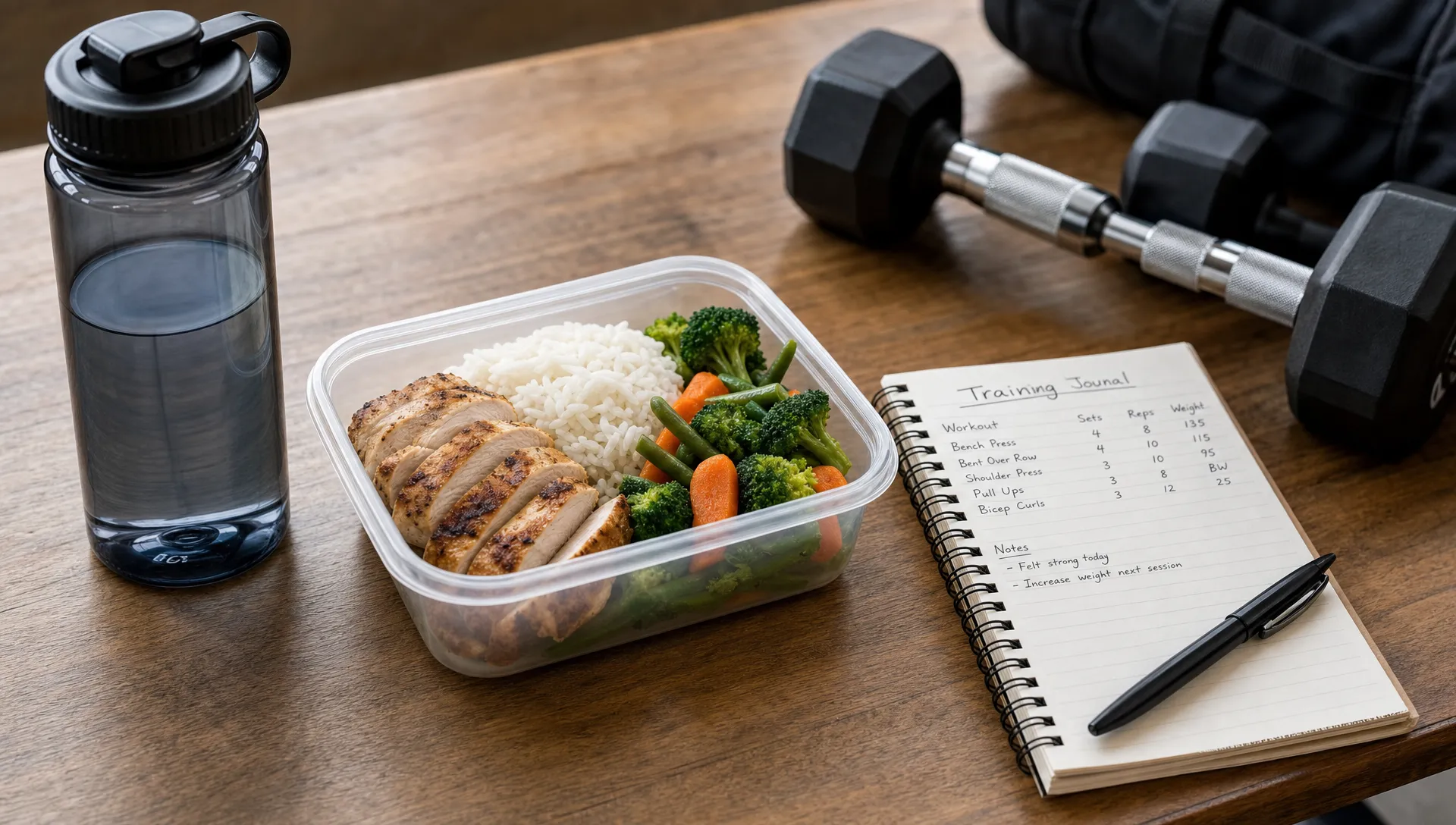
A pre-lift meal one to three hours before training can include easy-to-digest carbs plus protein. Think rice and chicken, oats and Greek yogurt, a turkey sandwich, a smoothie with fruit and protein or tofu with noodles. If you train early or between meetings, a banana and protein shake can be enough to prevent training on empty.
For a deeper look at the post-training window, Custom Fit has a helpful guide on why post-workout nutrition supports recovery, especially when you train frequently or have another demanding session within 24 hours.
Fat, micronutrients and hydration still matter
Protein and carbs get most of the attention, but dietary fat supports hormone production, cell function and the absorption of fat-soluble vitamins. Extremely low-fat diets can make meals less satisfying and harder to sustain. Most lifters do well with regular servings of olive oil, avocado, nuts, seeds, whole eggs, fatty fish or other minimally processed fat sources.
Micronutrients also affect performance and recovery. Iron, vitamin D, magnesium, calcium, sodium and potassium all play roles in oxygen transport, muscle contraction, bone health, fluid balance or energy metabolism. Deficiencies should be assessed by a qualified clinician rather than guessed through supplement stacks.
Hydration is another overlooked recovery tool. Even mild dehydration can make training feel harder. The simplest approach is to drink consistently through the day, check urine color as a rough signal and add electrolytes when you sweat heavily, train in warm conditions or do long sessions. Coffee counts toward fluid intake for many people, but it should not be your only hydration strategy.
Timing your nutrition around lifting
Nutrient timing matters, but it matters less than total daily intake. A perfectly timed post-workout shake cannot rescue a day that is short on protein, calories and fluids. Once the basics are in place, timing becomes useful.
| Timing | Goal | Simple example |
|---|---|---|
| 2 to 3 hours before lifting | Fuel the session | Protein, carbs and moderate fat, such as salmon with rice |
| 30 to 60 minutes before lifting | Top off energy | Fruit, toast, a small smoothie or a protein shake |
| After lifting | Start recovery | Protein plus carbs, especially after hard or long sessions |
| Before bed | Support overnight recovery | Greek yogurt, cottage cheese, casein or a protein-rich meal |
If you train after work near SoMa or commute home from the Financial District, the biggest win may be planning a pre-workout snack before hunger makes the decision for you. A packed snack in your work bag can prevent the common pattern of under-fueling all day, forcing a mediocre workout and overeating late at night.
Supplements that are actually worth considering
Supplements should support a solid diet, not replace one. The short list for lifters is fairly simple.
Creatine monohydrate has one of the strongest research profiles in sports nutrition. The International Society of Sports Nutrition position stand on creatine describes it as effective for improving high-intensity exercise capacity and lean mass gains when paired with training. A common maintenance dose is 3 to 5 grams per day, though individual needs vary.
Protein powder can be useful when whole-food meals are not realistic. It is not magic, but it is convenient. Whey, casein, soy, pea and blended plant proteins can all work if they help you hit your daily target.
Caffeine can improve alertness and training output for some lifters, but dose and timing matter. Too much caffeine late in the day can impair sleep, which is a poor trade if recovery is already a limiting factor.
Vitamin D, iron, omega-3s and magnesium may be useful in specific cases, but they are best guided by dietary intake, lab work, symptoms and a qualified professional. More supplements do not automatically mean better recovery.
Use performance and body composition to adjust
A lifting nutrition plan should be judged by outcomes, not by how disciplined it looks on paper. Track a few meaningful signals: strength progression, workout energy, sleep quality, hunger, digestion, soreness, waist measurement and body composition trends.
If strength is rising, recovery feels good and body composition is moving in the right direction, your nutrition is probably close. If strength has stalled for several weeks, soreness lingers and sleep is poor, you may need more total energy, better carb timing or fewer hard sessions. If scale weight is climbing quickly without a corresponding increase in performance, your surplus may be too aggressive.
This is why testing can be valuable for lifters who want precision. DEXA, VO2 max testing and nutrition coaching can turn vague goals like getting leaner or building muscle into measurable targets. Custom Fit pairs advanced testing with coaching, so changes to food intake can be connected to training performance and body composition rather than guesswork.
For clients who want the recovery side of the equation, this breakdown of fitness recovery strategies that improve results faster is a useful complement to nutrition planning.
Common lifting nutrition mistakes
The most common mistake is under-eating on training days and overcorrecting on rest days. This pattern often shows up in professionals who skip breakfast, power through lunch, train hard after work then feel ravenous at night. Planning a protein-rich lunch and a pre-workout snack usually works better than relying on willpower at 9 p.m.
Another mistake is chasing low body fat while expecting high-volume strength progress. You can get stronger in a deficit, especially if you are newer to lifting or returning after time off, but recovery eventually becomes harder. Ambitious strength goals often require periods where performance is the priority.
Do not let secondary details overshadow the basics. Shoes, wearables, meal timing apps and apparel can support consistency, but they are not the foundation. For coaches or gym owners working with combat-sport athletes, sourcing durable team gear through an MMA apparel manufacturer may help the training environment run smoothly, but nutrition, programming, sleep and recovery still drive adaptation.
A simple training-day framework
A good lifting day does not need six perfect meals. It needs enough structure that your body has what it needs when training stress arrives.
| Part of day | Nutrition goal | Example |
|---|---|---|
| Breakfast | Start protein early | Eggs with toast, Greek yogurt with fruit or tofu scramble |
| Lunch | Build energy for later | Rice bowl, burrito bowl, grain salad with protein or leftovers |
| Pre-workout | Avoid training depleted | Banana with protein shake, sandwich or oats |
| Dinner | Repair and replenish | Protein, carbs, vegetables and healthy fats |
| Evening | Fill gaps if needed | Cottage cheese, yogurt, smoothie or balanced snack |
This structure can be adjusted for fat loss, muscle gain or maintenance. The core stays the same: protein at each meal, carbs around training, fluids through the day and enough total food to support the goal.
If you are still building the basics, Custom Fit's guide to nutrition for gym-goers covers practical habits that fit well with this approach.
Frequently Asked Questions
What should I eat before lifting? Aim for protein plus easy-to-digest carbohydrates one to three hours before training. Good options include Greek yogurt with fruit, rice with lean protein, a turkey sandwich, oats with protein or a smoothie. If you are short on time, fruit and a protein shake can work.
How much protein do I need to build strength? Many lifters do well around 1.6 to 2.2 grams of protein per kilogram of body weight per day. Your exact target depends on body size, training volume, age, calorie intake and goals.
Do I need carbs after every lifting session? Not always, but carbs are useful after hard sessions, long workouts or when you train again within 24 hours. Total daily carb intake matters most, but post-workout carbs can help replenish glycogen and support recovery.
Is creatine worth taking for lifting? Creatine monohydrate is one of the best-supported supplements for strength and power training. Many lifters use 3 to 5 grams per day, but you should consider personal health factors and consult a qualified professional if you have medical concerns.
How often should I check body composition? For most lifters, every 8 to 12 weeks is more useful than constant testing. DEXA can help distinguish fat loss from muscle gain, and at Custom Fit scans are interpreted by Registered Dietitians or Exercise Physiologists who can connect the results to nutrition and training decisions.
Make lifting nutrition personal
If you want to build strength without guessing, nutrition should match your training, schedule, recovery capacity and body composition goals. Custom Fit SF combines personal training, nutrition coaching, DEXA scans, VO2 max testing and recovery services in a data-driven environment.
Whether you are an individual lifter, a concierge medical practice or a longevity clinic looking for a testing partner, Custom Fit SF can help turn performance and body composition data into a practical plan.