How to Plan Recovery Between Workouts Without Losing Momentum
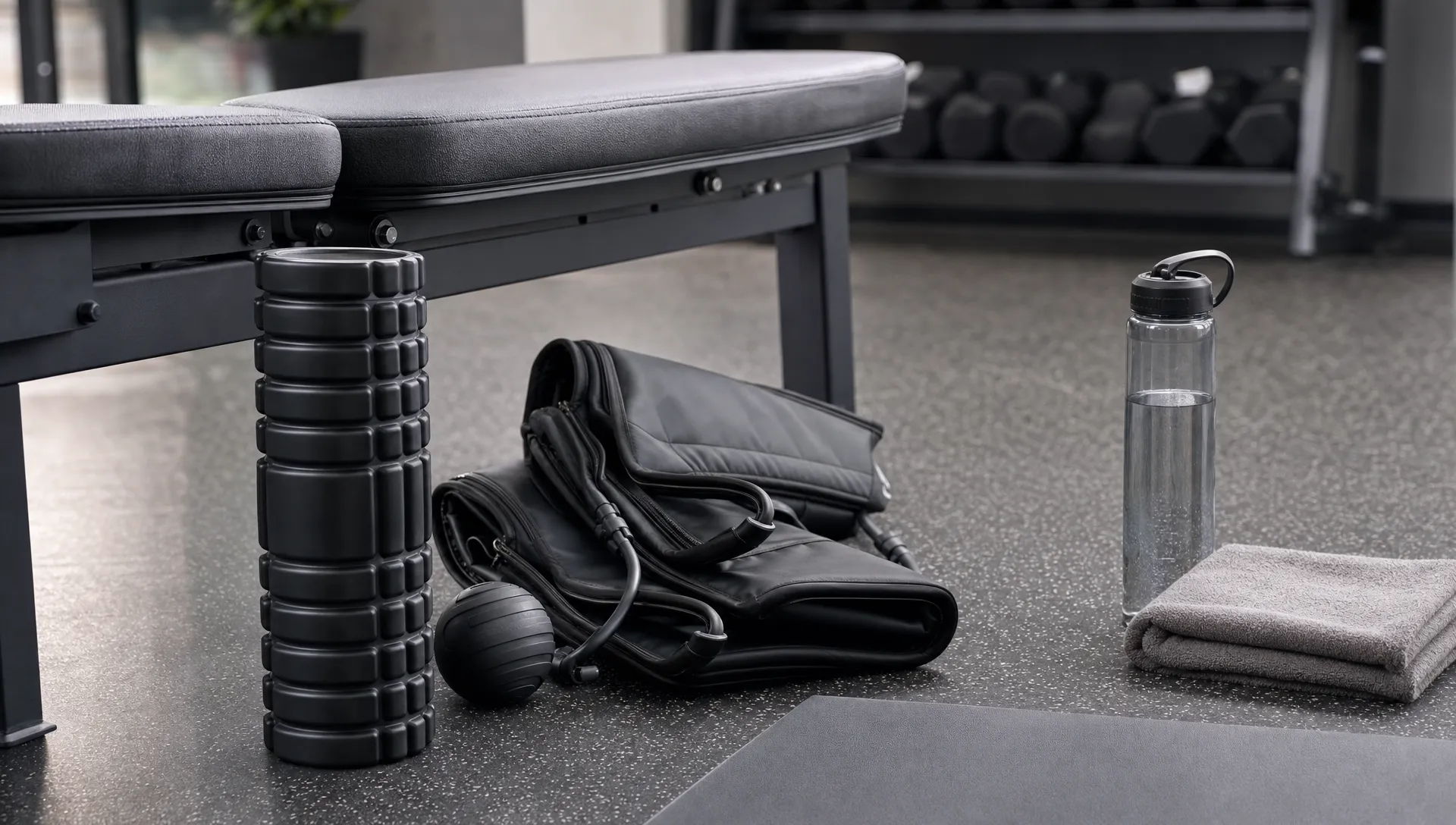


Recovery between workouts is not the opposite of momentum. It is how momentum becomes sustainable. If you train hard, work long hours and try to keep a social life in San Francisco, the goal is not to rest more for its own sake. The goal is to place easier days, sleep, nutrition and recovery tools where they let your next hard session feel productive instead of forced.
A good recovery plan protects consistency. It helps you avoid the familiar cycle of pushing for two or three great weeks, feeling run down, missing sessions then starting over. For busy professionals, the best plan is simple enough to follow on packed workdays and specific enough to support strength, cardio, mobility and body composition goals.
Why recovery between workouts belongs in the training plan
Training creates a stress signal. Recovery is when your body adapts to that signal by repairing muscle tissue, restoring energy, regulating the nervous system and improving future performance. Skip the recovery piece and you do not become tougher. You just carry more fatigue into the next session.
The International Olympic Committee consensus statement on training load and injury risk, published in the British Journal of Sports Medicine, explains that performance improves when training stress is progressed intelligently. Sudden spikes in load are where problems usually begin, especially when life stress, poor sleep or under-fueling are layered on top.
This is the practical mindset shift: recovery is not something you add after you feel broken. Planned recovery between workouts lets you train with enough intensity to improve, then absorb that work before the next hard effort.
Start with the dose: hard, moderate and easy days
Most people do not need a complicated recovery system. They need a clearer training dose. A week built only from hard workouts will eventually punish you, even if each session looks well designed on its own.
Think of workouts in three categories: hard days that challenge strength or conditioning, moderate days that build skill or volume and easy days that support movement without draining you. If you want a deeper framework for matching training stress to rest, Custom Fit’s guide on how to align training and recovery for better results covers the broader strategy.
Use a simple weekly rhythm
A balanced week usually alternates stress and absorption. Planning recovery between workouts does not mean inserting full rest after every session. It means matching the next 24 to 48 hours to the stress of the previous workout.
| Day type | Main goal | Good examples | Recovery priority |
|---|---|---|---|
| Hard | Create a strong adaptation signal | Heavy strength, intervals, intense class | Sleep, protein, hydration |
| Moderate | Build volume without redlining | Zone 2 cardio, technique work, accessory lifts | Carbohydrates, mobility, easy walking |
| Easy | Keep momentum with low strain | Mobility, light cycling, stretching | Nervous system downshift |
| Full rest | Reduce accumulated fatigue | No formal training | Sleep, meals, stress management |
This structure is flexible. A venture-backed founder, physician or executive with three high-stress meeting days may need fewer hard sessions than someone with a calmer week. The right plan fits your actual calendar, not your ideal calendar.
Match recovery to the type of workout
Strength training usually requires enough protein, total calories and sleep to support muscle repair. High-intensity intervals tax the cardiovascular system and nervous system, so the next day often works best as low-intensity movement or an upper-body strength day rather than another max-effort conditioning session.
Long endurance sessions draw heavily on glycogen, the stored carbohydrate your muscles use during harder efforts. If you follow a long run or ride with poor fueling, your next workout may feel flat before it even starts. Mobility or Pilates-style work may not create the same metabolic demand, but it still benefits from hydration, tissue care and sensible scheduling.
The point is not to make every decision perfect. It is to stop treating every workout as if it creates the same recovery need.
The four levers that keep momentum high
Good recovery plans are built from a few repeatable levers. If recovery between workouts feels confusing, start with sleep, nutrition, active recovery and calendar design before investing in more advanced tools.
Sleep quality sets the ceiling
Sleep is the highest-return recovery habit because it influences hormones, appetite, coordination, motivation and tissue repair. In a Stanford sleep extension study, collegiate basketball players improved sprint times and shooting accuracy after increasing sleep duration over several weeks. The study was small, but it supports what many coaches see in practice: well-rested athletes train better.
For a busy adult, the target is not perfection. Aim for a consistent sleep window, a darker room and fewer late-night work sessions after hard training days. If you cannot get more sleep, protect sleep quality by limiting alcohol near bedtime, finishing intense workouts earlier when possible and keeping your room cool.
Nutrition turns the workout into adaptation
Post-workout nutrition does not need to be elaborate. The basics are protein to support muscle repair, carbohydrates to replenish glycogen and fluids with electrolytes when sweat loss is high. The International Society of Sports Nutrition position stand on protein and exercise notes that total daily protein intake is a major driver of training adaptation, especially for people doing resistance training.
Timing can still matter. If you train early before a full workday, waiting until mid-afternoon to eat is rarely helpful. A meal or shake with protein and carbohydrates within a reasonable window after training can prevent energy dips and reduce the chance that you under-eat later.
If you are pursuing fat loss, be careful with aggressive deficits. Losing body fat while maintaining performance requires enough fuel to train well. Too little food may reduce scale weight at first, but it can also reduce workout quality, daily energy and lean tissue retention.
Active recovery is not another hard workout
Active recovery should leave you feeling better than when you started. That may mean 20 to 40 minutes of easy walking, light cycling, mobility work or relaxed swimming. If you finish more depleted, it was not recovery.
The most useful intensity cue is breathing. You should be able to hold a conversation without strain. For professionals walking through SoMa between meetings or commuting from the Financial District, even a brisk walk after lunch can support circulation and loosen stiff hips without adding meaningful fatigue.
Calendar design reduces decision fatigue
Your calendar is a recovery tool. Put hard sessions where they have the best chance of succeeding, not where they look impressive on paper. If Monday is packed with board meetings and client dinners, it may be a poor day for heavy lower-body strength.
Put recovery time on your calendar alongside work and training. A realistic schedule should leave room for sleep, meals and any healthcare appointments you need.
Use data without turning recovery into another job
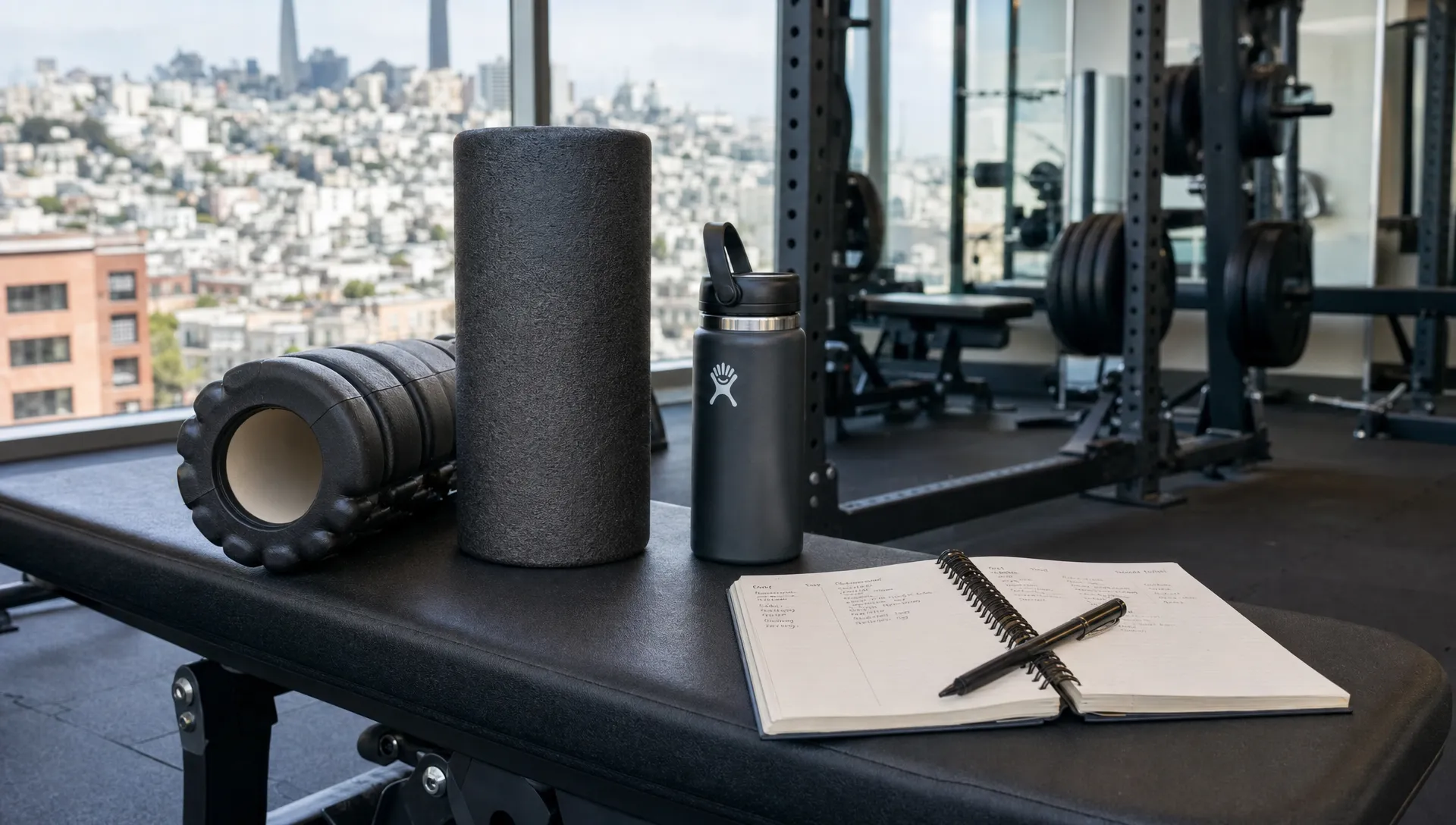
Good recovery between workouts should be visible in how you perform and feel. If your lifts, running pace, heart rate response, energy and sleep are all trending in the wrong direction, your body is giving useful feedback.
Make testing actionable
Data is most useful when a trained professional helps interpret it. DEXA scans can track body fat, muscle mass, bone density and visceral fat, while VO2 max testing can show how your cardiovascular system is responding to training. At Custom Fit, DEXA scans are performed by Registered Dietitians or Exercise Physiologists, which means clients work with professionals who understand nutrition, exercise physiology and body composition rather than simply receiving an automated scan report.
That distinction matters. A scan might show that scale weight is stable while lean mass is increasing, or that a fat-loss phase is starting to compromise muscle. A coach, dietitian or exercise physiologist can help you adjust training, nutrition and recovery based on the full picture.
For San Francisco professionals moving between SoMa, the Financial District and home, having training, testing, nutrition coaching and recovery services in one place can remove friction. You can learn more about the broader approach at Custom Fit in San Francisco.
A sample week that protects progress
This template keeps recovery between workouts built into the plan without making the week feel slow. Adjust the days based on your schedule, training age and goals.
| Day | Session | Recovery focus |
|---|---|---|
| Monday | Full-body strength | Protein-forward meals, early bedtime |
| Tuesday | Zone 2 cardio or mobility | Easy intensity, hydration |
| Wednesday | Strength plus short intervals | Carbohydrates after training |
| Thursday | Active recovery | Walking, stretching, lower stress evening |
| Friday | Strength or group class | Sleep protection, no extra finisher needed |
| Saturday | Longer cardio or recreational sport | Fuel before and after |
| Sunday | Full rest or gentle mobility | Meal prep, outdoor walk, relaxed schedule |
If your week includes red-eye flights, late hospital shifts or back-to-back investor meetings, reduce the number of hard sessions before you add more caffeine. Momentum comes from repeating the right amount of work, not proving you can survive the wrong amount.
Signs you need more recovery, not more intensity
If recovery between workouts is too thin, your body usually sends signals before a true setback happens. Pay attention early, especially if several signs appear at once.
- Your normal warm-up feels unusually heavy or awkward.
- You need more caffeine to start workouts you used to enjoy.
- Your sleep is worse even though you feel tired.
- Your resting heart rate is higher than usual for several days.
- Minor aches are becoming persistent or one-sided.
- Your mood, appetite or motivation has changed without a clear reason.
One off day is not a crisis. A pattern is information. In many cases, the best move is not a week of complete rest. It is a short deload, fewer high-intensity sessions, better meals and earlier nights for several days.
How to maintain momentum on rest days
Rest days work best when they still have structure. That structure can be light and simple: a walk, a mobility routine, meal planning or a 10-minute check-in with your training log. The goal is to stay connected to the process without adding stress.
If you like facilities that combine training and recovery support, evaluate whether the environment helps you make better decisions. A sauna or recovery tool can be useful, but coaching, assessments and nutrition support often matter more. Custom Fit’s guide on choosing a recovery gym that supports better training explains what to look for before you choose based on amenities alone.
Momentum is psychological as well as physiological. When rest days are planned, they feel like part of the program. When they are unplanned, they often feel like failure. That difference can determine whether you train consistently for months or restart every few weeks.
Frequently Asked Questions
How much recovery between workouts do I need? Most people need 24 to 48 hours before repeating a hard session for the same muscle groups or energy system. The exact amount depends on workout intensity, sleep, nutrition, training history and life stress.
Can I work out every day if some sessions are easy? Yes, many people can move daily if the week includes true easy days. Walking, mobility and low-intensity cardio can support recovery, but they should not turn into hidden hard workouts.
Should soreness decide my training schedule? Soreness is useful information, but it should not be the only factor. Performance, sleep, motivation, joint comfort and energy levels give a more complete picture.
Do recovery tools replace sleep and nutrition? No. Recovery services can be helpful, but they work best on top of adequate sleep, hydration, protein, carbohydrates and sensible training load.
Build a recovery plan that fits your life
If you want to keep training hard without burning out, plan recovery with the same care you give to workouts. The right mix of personal training, nutrition coaching, testing and recovery support can help you improve performance while staying consistent.
Custom Fit combines data-driven training, Registered Dietitian support, longevity testing, DEXA scans, VO2 max testing and recovery services in a premium San Francisco setting. If you are ready to train with more precision, start with a plan that helps your body adapt, not just endure.