How to Choose a Space to Get Fit and Relax After Work
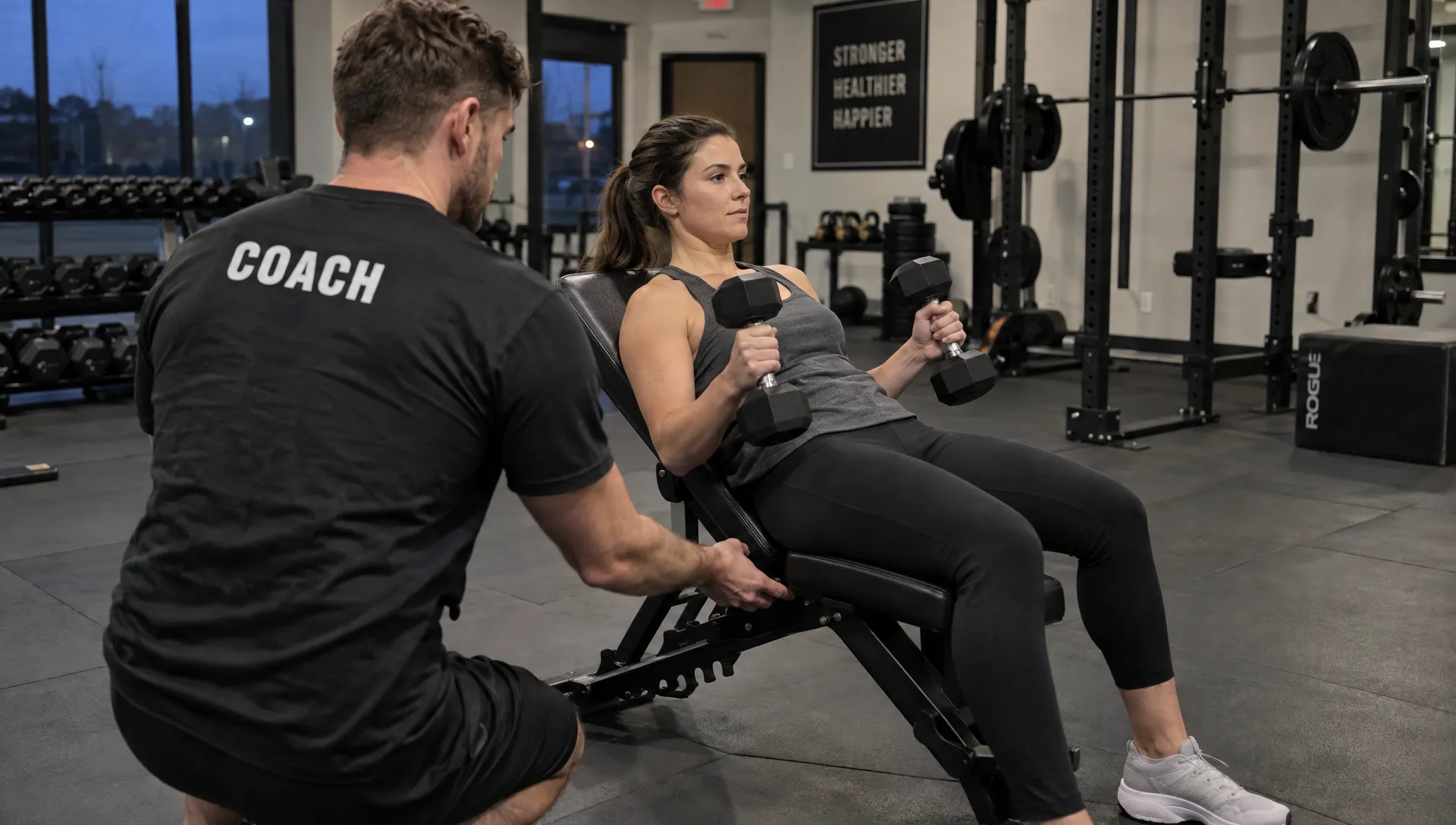


The right place to get fit and relax after work should make your evening easier, not turn it into another complicated appointment. You need enough structure to train well, enough flexibility for a late meeting and an environment that helps you leave feeling ready for the rest of your night.
That combination is not guaranteed by a premium membership or a long menu of recovery services. Before joining, evaluate the whole experience: getting there, exercising, winding down and getting home. A trial visit during your actual after-work window will tell you more than a quiet weekend tour.
Start with the trip from work to home
A facility can look close on a map and still be inconvenient at 6 p.m. In San Francisco, a steep walk, a transit transfer or time spent finding parking can change the practical value of a location.
Compare the complete route from your workplace to the facility and then home. Include changing time, equipment waits and any shower you will need before leaving. If you work remotely several days a week, check the route from home too.
For example, an illustrative 45-minute workout can become a 90-minute commitment once travel and changing are included. That may be perfectly workable, but it should be the schedule you are choosing rather than discovering after you sign up.
The easiest place to get fit and relax is usually one that fits a route you already travel. A slightly less elaborate facility may serve you better if it removes a detour and lets you get home for dinner without rushing.
Ask when the last coached session begins, when the workout floor closes and whether changing areas remain available afterward. Those details matter more than the earliest opening time when you are comparing evening options.
Assess the workout floor and the quieter spaces separately
A strong training environment does not automatically provide a comfortable place to wind down. Visit during the hour you expect to attend and notice both experiences.
On the workout floor, look for usable space, available equipment and coaches who can communicate without competing with excessive noise. A lively atmosphere may help you train, but constant crowding can make a short session unpredictable.
Then consider what happens afterward. Is there somewhere to sit briefly, stretch without blocking equipment or change without feeling hurried? If showers are essential to your routine, inspect them rather than assuming they are included or available until closing.
A space where you can get fit and relax should support both effort and a less hurried finish. It does not need to resemble a spa, and the quietest room is not necessarily the best choice if the training itself is poorly organized.
Look for practical maintenance as well: clean shared surfaces, comfortable ventilation and a clear way to report problems. Strong fragrances, intense lighting or loud music may be tolerable during a tour but distracting after a demanding workday. Treat your own comfort as a selection criterion, not an indulgence.
Choose coaching that can adapt to your workday
After-work energy is inconsistent. Some evenings you arrive ready for a challenging session; on others, you have been sitting for hours, missed lunch or spent the day under pressure.
Ask how a coach handles those differences. A useful answer should describe how they adjust the session while preserving its purpose, rather than promising the same intensity every time. They should also explain how progress is reviewed and what happens when discomfort or unusual symptoms arise.
The goal is to get fit and relax without treating every evening as a test of willpower. That might mean a focused strength session followed by a few unhurried minutes, rather than adding more work simply because you made the trip.
Custom Fit offers personal training, partner training and nutrition coaching, which are worth comparing according to the support you actually need. If missed meals regularly undermine your evening workouts, nutrition guidance may be more useful than another recovery add-on.
Understanding how training and recovery work together can also help you judge whether a facility's recommendations support a coherent plan or simply add more appointments.
Keep testing and equipment claims in perspective
Testing is useful when it answers a specific question and changes a decision. Ask what you will learn, who interprets the results and how those findings could affect your training or nutrition plan. A test should not be presented as an automatic requirement for starting exercise.
At Custom Fit, DEXA scans are performed by Registered Dietitians or Exercise Physiologists. Clients work with professionals who understand nutrition, exercise physiology and body composition, rather than simply receiving an automated scan report. Custom Fit also offers VO2 max testing; ask whether it would meaningfully inform your current goals.
If a facility promotes a medical device, ask about its intended use, supporting evidence, operator qualifications and contraindications. For clinical partners or employee benefits teams assessing medical-device services, regulatory support for medical devices can help address registration and compliance questions. That is separate from assessing whether a particular service is appropriate for an individual.
You do not need an extensive testing package to get fit and relax after work. The stronger starting point is a manageable routine, with assessment added when there is a clear reason for it.

Protect the rest of your evening, including sleep
Evaluate a facility by how you feel later that night, not only immediately after exercising. A session that repeatedly pushes dinner and bedtime back may be difficult to sustain even if you enjoy it.
Evening exercise is not automatically bad for sleep. A systematic review and meta-analysis published in Sports Medicine found that evening exercise generally did not impair sleep in healthy adults. However, vigorous exercise ending within an hour of bedtime could impair some sleep outcomes.
Use that finding as a reason to assess timing, not as a universal cutoff. Your response, the workout's intensity and the time you need afterward all matter. If late sessions leave you feeling wired, try finishing earlier or choosing a less demanding session and observe whether sleep improves.
A space that helps you get fit and relax should leave room for the basics afterward: eating, getting home and sleeping. Recovery amenities cannot compensate for a schedule that routinely removes that time.
There is also no requirement to complete every type of exercise in one visit. The World Health Organization's physical activity recommendations emphasize weekly activity, including aerobic exercise and muscle-strengthening work. Your evening session can be one manageable part of that week.
If evenings consistently prove impractical, consider whether a gym that fits a before-work routine would better protect your schedule.
Use a trial visit to see whether you can get fit and relax
Book a trial during your normal arrival window, with the same bag, work clothes and transport you expect to use regularly. Arrive as you would on an ordinary Tuesday, not with extra time reserved for a leisurely tour.
Use a simple scorecard to separate an attractive first impression from a workable routine:
| Check | What to observe | What to ask |
|---|---|---|
| Arrival | Actual travel time and ease of entry | How are late arrivals handled? |
| Training | Equipment access and coaching attention | Can sessions adapt to a shorter evening? |
| Environment | Noise, crowding and ventilation | Does this reflect a typical weekday? |
| Transition home | Space to change and finish without rushing | When do changing areas close? |
| Membership | Whether you can use what you are paying for | What are the booking, cancellation and pause policies? |
Before committing, request the full cost of the routine you intend to follow. Clarify whether coaching, classes, testing and recovery services are included or purchased separately. A membership is not good value merely because it offers many things you rarely use.
The deciding question is whether you can get fit and relax within the evening you actually have. If the trial feels rushed despite favorable conditions, a longer contract is unlikely to solve the underlying mismatch.
Frequently asked questions
Should I choose a gym close to work or close to home? Choose the location that creates the simplest complete journey. Near work may help you exercise before heading home; near home may be more useful on remote-work days. Test both routes at the time you would actually travel.
Do I need recovery equipment to unwind after exercise? No. Time to reduce your pace, change comfortably and leave without rushing may be enough. Specialized equipment is optional and should have a clear purpose, appropriate screening and instructions for safe use.
How long should an after-work visit take? There is no universal ideal. Set a realistic door-to-door limit first, then fit the session inside it. A shorter visit you can repeat is more useful than an ambitious plan that regularly conflicts with dinner, family time or sleep.
What if I feel exhausted after work? Ask whether the coach can adjust the session instead of defaulting to either maximum effort or cancellation. Persistent or unexplained exhaustion, especially with other symptoms, warrants a conversation with a healthcare professional rather than simply a harder workout.
Choose support you can use consistently
The best setting is one where the commute, coaching and atmosphere work together. You should understand what you are paying for, how the team responds to your needs and when you will realistically get home.
If you are comparing San Francisco options, explore Custom Fit's training, nutrition and recovery services and ask which options match your after-work availability. Describe your actual schedule, including late meetings and your usual bedtime. A useful conversation should help you decide how to get fit and relax without making the rest of your evening harder.