How Employer Gym Access Can Support a Healthier Workforce
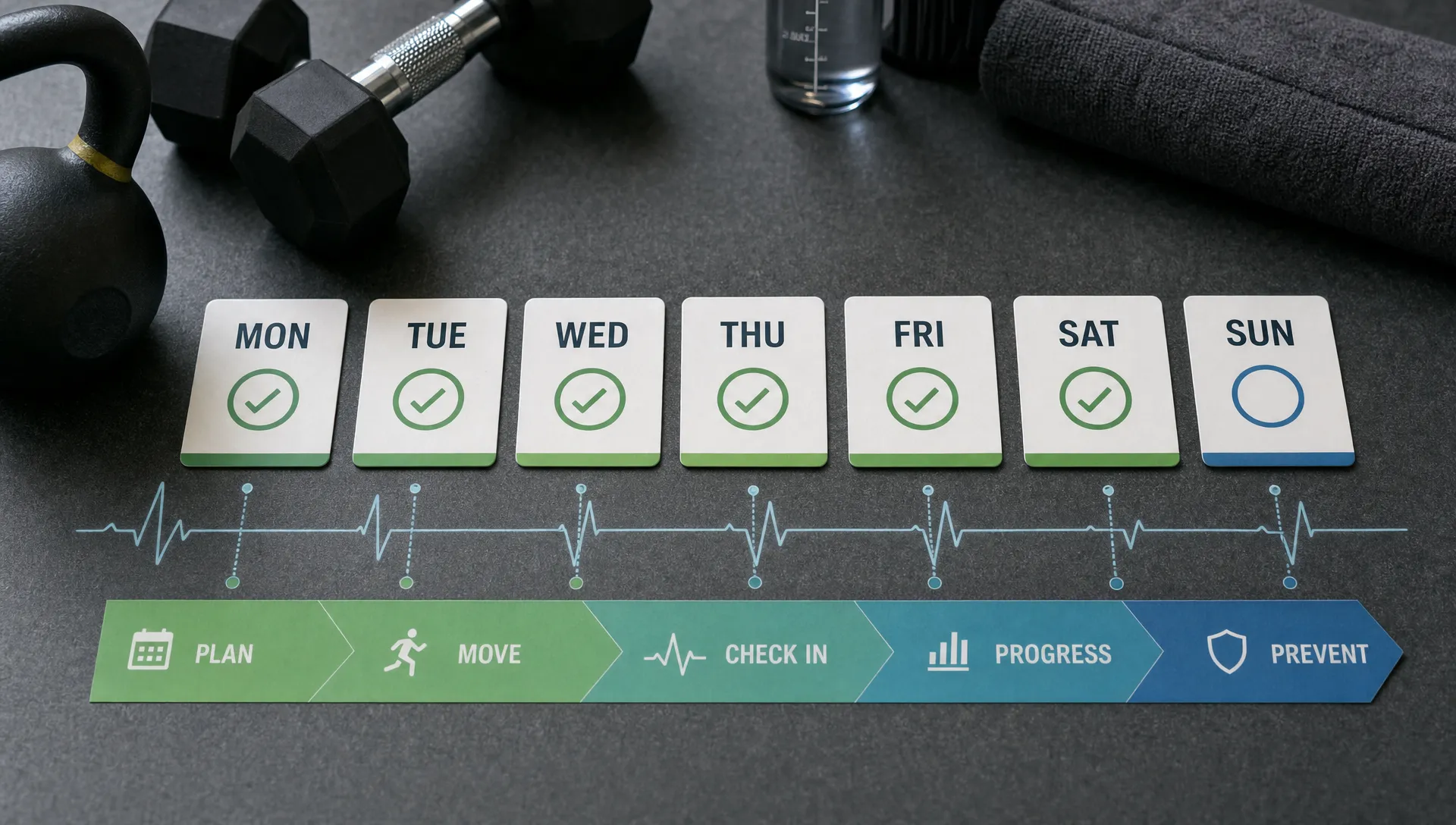


Employer gym access is no longer just a nice office perk. For benefits managers, founders, clinic leaders and HR teams, it can be a practical way to reduce barriers to movement, support preventive health and help employees stay consistent in a demanding work environment.
The key is design. A basic discount to a crowded gym may get announced once and forgotten. A thoughtful employer gym access program connects employees to a convenient training environment, qualified coaches, recovery support and clear pathways for different fitness levels. When that happens, the benefit becomes less about having a perk on paper and more about making healthy behavior easier to repeat.
For San Francisco companies, this matters. Employees are balancing hybrid schedules, long commutes, client demands, clinical shifts, product launches and high performance expectations. If exercise requires too much planning, travel or guesswork, even motivated people fall off. Employer-sponsored access can close that gap.
Why employer gym access belongs in a modern workforce strategy
Physical inactivity is not a small health issue. The World Health Organization recommends that adults get 150 to 300 minutes of moderate aerobic activity weekly, or 75 to 150 minutes of vigorous activity, plus muscle-strengthening activity at least two days per week. WHO also links regular physical activity with lower risk of cardiovascular disease, diabetes, some cancers, depression and cognitive decline in its physical activity guidance.
That matters to employers because health affects energy, attendance, morale and long-range cost trends. A 2016 analysis published in The Lancet estimated that physical inactivity cost health-care systems billions globally and contributed to productivity losses through premature mortality. The exact economics vary by country, industry and workforce, but the underlying point is clear: movement is not separate from business performance.
Employer gym access can support this in a way that feels positive rather than punitive. Employees do not need another wellness email telling them to do better. They need fewer practical obstacles between intention and action.
What gym access changes for employees
Most adults know exercise is beneficial. The harder part is consistency. Between meetings, family responsibilities, travel and fatigue, fitness often loses to whatever feels urgent that day.
A strong employer gym access program changes the environment around the employee. It reduces friction and makes exercise a normal part of the workweek. Instead of asking someone to find a gym, compare plans, create a program, evaluate equipment, manage soreness and stay accountable alone, the employer gives them a clear starting point.
The practical benefits are straightforward:
- Less decision fatigue: Employees know where to train and what resources are available.
- Better time efficiency: A convenient location near the office, home or commute route makes short training sessions more realistic.
- More accountability: Scheduled sessions, group classes or coaching touchpoints make attendance easier to maintain.
- A stronger culture signal: When leadership supports exercise, recovery and preventive health, employees understand that well-being is not only tolerated, it is valued.
- More inclusive participation: Beginners, returning exercisers and advanced athletes can all benefit when programming is adaptable.
For busy professionals, this can be the difference between exercising three times a week and restarting every few months.
The business case: healthier employees, better workdays
Employer gym access should not be sold with exaggerated claims. No fitness benefit can eliminate burnout, replace good management or guarantee lower insurance premiums by itself. But it can support several outcomes that employers already care about.
More consistent energy and focus
Regular physical activity supports sleep quality, mood regulation, metabolic health and cardiovascular function. Employees who train consistently often report better daily energy, especially when exercise is paired with recovery and nutrition support. For knowledge workers in SoMa, finance teams near the Financial District, private practice medical groups or concierge medicine teams, that daily energy matters.
Lower barriers to preventive health
A gym access benefit also creates an entry point for broader preventive care. Employees who begin with basic training may later engage with nutrition coaching, recovery services or body composition testing. This is especially relevant for organizations interested in longevity, metabolic health and musculoskeletal resilience.
When DEXA scans are included as part of a broader wellness program, context matters. Custom Fit DEXA scans are performed by Registered Dietitians or Exercise Physiologists, so clients are working with professionals who understand nutrition, exercise physiology and body composition. They are not simply receiving an automated scan report. That professional interpretation is important when discussing body fat, muscle mass, bone density and visceral fat in a way that is useful, ethical and actionable.
Better recruitment and retention signal
High-performing employees look at benefits through a practical lens. A gym access benefit can stand out when it saves time, feels premium and connects to their actual health goals. For employers competing for talent in San Francisco, especially in technology, finance, health care and professional services, wellness benefits can help communicate that the company takes performance and sustainability seriously.
Support for different types of work
The needs of a software team are different from a physician group, and both differ from a hardware engineering organization facing long lab days and prototyping deadlines. Even highly technical teams, from local product groups to power electronics and embedded system specialists, benefit when employers design wellness access around the real workday rather than an abstract ideal schedule.
A workplace physical activity meta-analysis published in the American Journal of Preventive Medicine found that workplace interventions can improve physical activity and fitness-related outcomes. The program details matter, but the evidence supports the basic idea that work is a meaningful setting for improving movement habits.
What effective employer gym access should include
A successful program is not just a membership card. It should help employees understand what to do, how to progress and how to recover well enough to continue.
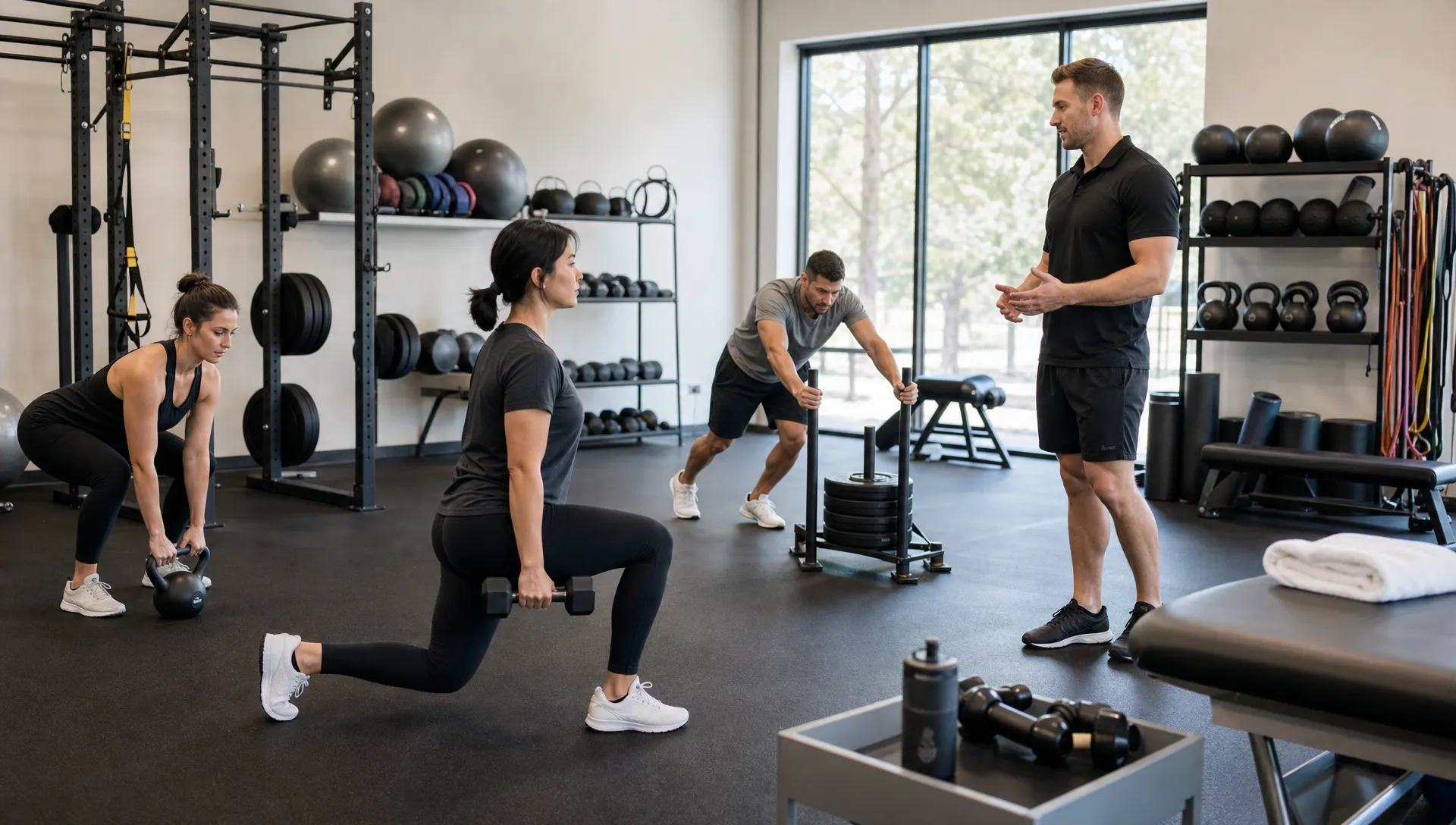
For many companies, the strongest model combines access with guidance. That might include personal training, partner training, group classes, nutrition coaching, recovery services and optional testing. The goal is to meet employees where they are, then give them a path that fits their schedule and ability level.
Several elements make employer gym access more useful:
- Convenient access: The gym should fit naturally into employee routines, whether before work, during lunch, after work or on hybrid office days.
- Professional coaching: Qualified trainers help employees avoid random workouts, improve technique and build confidence.
- Nutrition support: Registered dietitians can help employees connect training with realistic eating habits, not generic meal plans.
- Recovery options: Recovery support can help reduce soreness, manage training load and encourage consistency.
- Data-driven assessment: Tools like DEXA and VO2 max testing can help employees understand progress beyond scale weight.
If you are comparing models in the city, Custom Fit has outlined how a full-service corporate wellness gym in SF with recovery zone can support employees beyond basic access.
Why local fit matters in San Francisco
San Francisco employers have a unique planning challenge. A benefit that works for a fully remote company may not work for a team that gathers downtown twice a week. A clinic-based workforce may need early morning or late afternoon access, while a professional services firm may need midday options around meeting-heavy schedules.
Neighborhood context matters too. Employees commuting through the Financial District or working near SoMa may value a gym that is close enough to use between appointments, before Caltrain, after BART or before heading home across the Bay. The best location is not always the closest point on a map. It is the place employees can actually use without disrupting the rest of their day.
This is where premium employer gym access can outperform generic reimbursement. A reimbursement requires the employee to research, enroll and stay motivated alone. A local partner can help structure the benefit, communicate it clearly and guide employees into the right service based on their goals.
For companies that want a broader strategy, Custom Fit has also written about corporate wellness in San Francisco as a performance-driven approach, including how testing, coaching and recovery can fit together.
Measuring success without making wellness feel invasive
Employers should measure gym access thoughtfully. Participation matters, but it is not the whole story. A small group using the benefit consistently may see more value than a large group that signs up once and disappears.
Useful measures include utilization, repeat visits, class attendance, coaching engagement, employee satisfaction and aggregate trends from opt-in programs. If testing such as DEXA or VO2 max is offered, individual results should stay private. Employers can use anonymized, aggregate insights to understand program engagement without turning wellness into surveillance.
This privacy-first approach is especially important for body composition data. Body fat, muscle mass and visceral fat are personal health markers. Employees should feel supported by qualified professionals, not judged by a spreadsheet.
A strong program also evaluates qualitative feedback. Are employees finding the location convenient? Do beginners feel welcome? Are executives participating visibly but not pressuring others? Are employees using recovery and nutrition services, or only gym floor access? These answers help employers refine the benefit over time.
Common mistakes that make gym access underperform
The most common mistake is treating gym access like a checkbox. A company negotiates a discount, sends one announcement and assumes the program will run itself. Without onboarding, reminders, coaching options or leadership support, usage often fades.
Another mistake is making the benefit too narrow. Some employees want heavy strength training. Others need mobility, metabolic health support, injury-conscious programming or beginner-friendly classes. A benefit that only appeals to the already fit misses much of the workforce.
Employers should also avoid overpromising ROI. Wellness benefits can contribute to healthier behaviors and stronger engagement, but they work best as part of a broader culture that includes sane workloads, psychological safety, reasonable flexibility and good management.
Finally, do not ignore recovery. Employees who jump from inactivity into intense training without guidance may become sore, discouraged or inconsistent. Recovery services, coaching and realistic progression help people keep going.
Where Custom Fit can help
Custom Fit is designed for organizations that want more than a basic gym discount. The studio brings together personal training, partner training, nutrition coaching, group classes, DEXA scans, VO2 max testing, recovery programs and gym memberships in a data-driven environment.
For employers, that means gym access can be connected to measurable wellness support rather than left as a stand-alone perk. For employees, it means they can train with guidance, understand their body composition with qualified professionals and build habits that fit a demanding San Francisco lifestyle.
Companies looking for a managed option can explore how a turnkey corporate wellness program with Custom Fit SF may simplify rollout, communication and ongoing support.
Frequently Asked Questions
What is employer gym access? Employer gym access is a workplace benefit that gives employees access to a fitness facility, often through a company-sponsored membership, partnership or wellness program. Stronger versions may include coaching, classes, recovery services, nutrition support and health testing.
Does gym access actually improve employee health? Gym access can support better health when employees use it consistently and receive appropriate guidance. Research on workplace physical activity interventions suggests that work can be an effective setting for improving activity and fitness-related outcomes, especially when programs reduce barriers to participation.
How can employers encourage employees to use the benefit? Make the program easy to understand, convenient to access and welcoming for different fitness levels. Onboarding sessions, manager support, group classes, coaching options and periodic reminders can all improve participation without pressuring employees.
Should employer gym access include testing such as DEXA or VO2 max? Testing can be valuable when it is optional, private and interpreted by qualified professionals. At Custom Fit, DEXA scans are performed by Registered Dietitians or Exercise Physiologists, which helps employees understand body composition data in the context of nutrition, exercise physiology and realistic goals.
What should San Francisco employers look for in a gym access partner? Look for convenience, professional coaching, clean facilities, recovery options, nutrition expertise and the ability to support hybrid schedules. Local access near employee commute patterns can make the difference between an appreciated benefit and an unused one.
Build a gym access benefit employees can actually use
Employer gym access works best when it is practical, professional and connected to real health outcomes. If your San Francisco organization wants to support a healthier workforce, Custom Fit can help you build a program that combines training, nutrition, testing and recovery in one premium environment.
Explore Custom Fit’s corporate wellness options or connect with the team through Custom Fit SF to discuss a program that fits your workforce, schedule and goals.