What Does a DEXA Scan Cost in San Francisco?
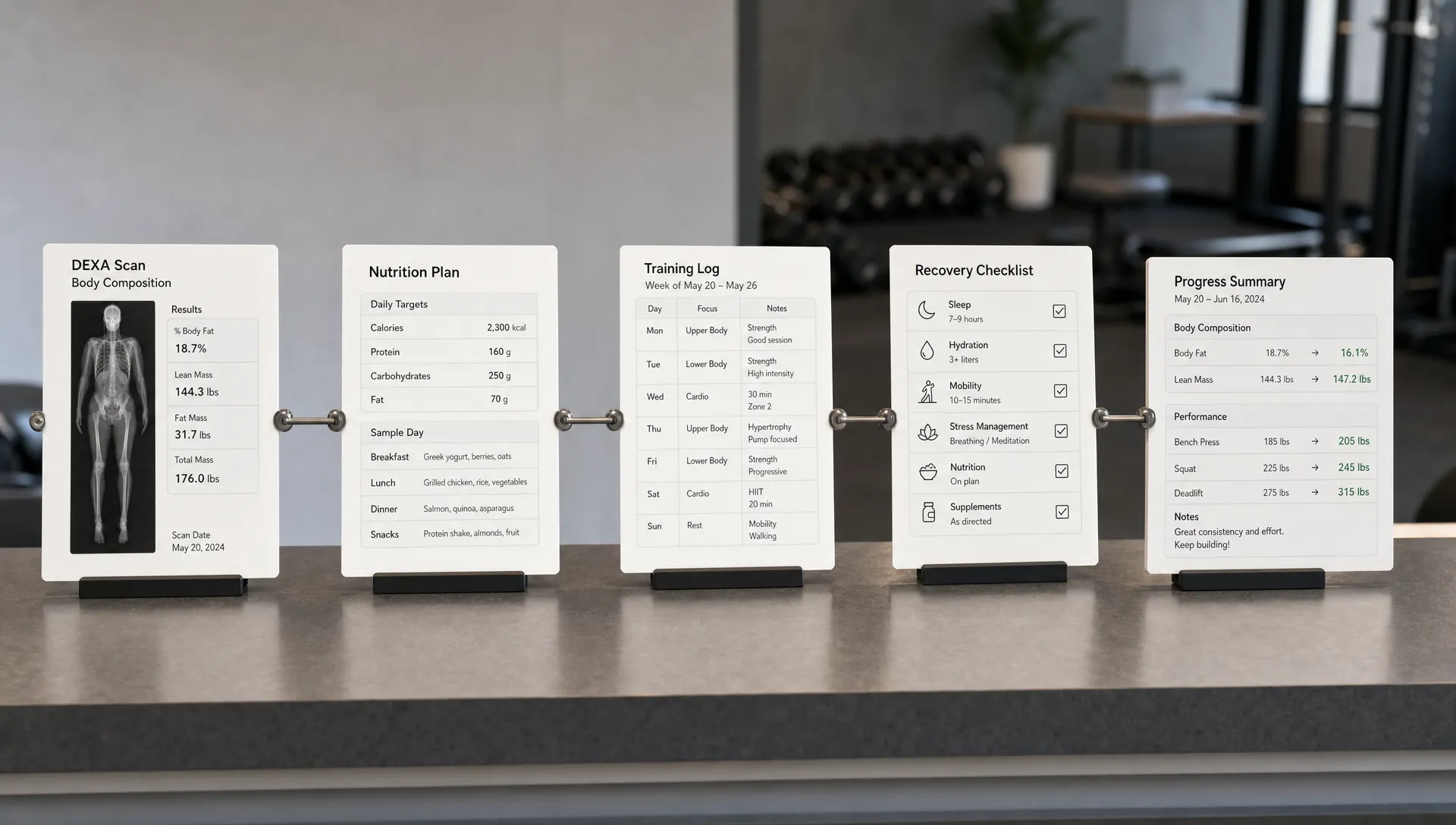


If you are comparing DEXA scan cost in San Francisco, the short answer is that self-pay body composition scans commonly fall somewhere around $75 to $250 per scan, depending on the provider, appointment length and whether you receive a professional review afterward. Medical DEXA scans ordered for bone density screening are priced differently because they may involve insurance billing, diagnostic codes and separate facility fees.
For most fitness, longevity and body composition goals, the real question is not only “What does the scan cost?” It is “What do I get from the results?” A low-cost scan that leaves you with an automated PDF can be less useful than a slightly higher-cost option that helps you understand your body fat, lean mass, visceral fat and training priorities.
At Custom Fit, DEXA scans are performed by Registered Dietitians or Exercise Physiologists, which means clients are working with professionals who understand nutrition, exercise physiology and body composition. You are not simply receiving an automated scan report without context.
What a DEXA scan measures
DEXA, also written as DXA, stands for dual-energy X-ray absorptiometry. The same underlying technology is used in medicine to assess bone mineral density, but many wellness and performance clinics also use DEXA for detailed body composition analysis.
A body composition DEXA scan can typically estimate:
- Total body fat percentage
- Lean mass and fat mass
- Regional muscle distribution, such as left versus right side differences
- Visceral adipose tissue, the fat stored deeper in the abdominal area
- Bone mineral density indicators
A peer-reviewed review on body composition by DXA describes the technology as a widely used method for assessing fat, lean and bone compartments. That is why DEXA is often favored by athletes, physicians, longevity clinics and people who want a more precise baseline than a scale can provide.
If you want a deeper explanation of the metrics, Custom Fit also has a guide to its gold-standard DEXA scan experience in San Francisco.
Why DEXA scan cost varies in San Francisco
San Francisco is a premium health and wellness market. A DEXA scan in SoMa, Hayes Valley or a nearby medical district may cost more than a scan in a lower-cost suburban market simply because staff, equipment, rent and appointment time are more expensive.
The biggest cost differences usually come from what happens before and after the scan. Some providers sell the scan only. Others include a guided interpretation, recommendations and repeat testing options.
| Cost factor | Why it affects price | What to ask before booking |
|---|---|---|
| Scan purpose | Fitness body composition and medical bone density scans are billed differently | Is this for body composition, osteoporosis screening or both? |
| Professional review | A trained review adds time and expertise | Who explains the results, and what are their credentials? |
| Metrics included | Some reports include more regional detail than others | Will I see lean mass, fat mass, visceral fat and bone metrics? |
| Appointment length | A 10-minute scan costs less to deliver than a full consult | How long is the appointment from start to finish? |
| Repeat testing | Packages or memberships may reduce the effective per-scan cost | Is there a discount for follow-up scans? |
| Location and scheduling | High-demand SF locations often charge more | Are convenient appointment times available? |
When comparing DEXA prices, ask what the appointment includes and who will review the results with you. The interpretation and follow-up support are part of the service you are purchasing.
Typical DEXA scan price ranges to expect
The ranges below are practical market ranges, not a quote from any one provider. Always confirm current pricing before booking, especially if you are comparing single scans, multi-scan packages and memberships.
| DEXA option | Typical pricing pattern | Best fit |
|---|---|---|
| One-time self-pay body composition DEXA | Often about $75 to $250 per scan | Someone who wants a baseline or occasional progress check |
| Multi-scan package | Lower average cost per scan | Someone tracking a fat loss, muscle gain or training block |
| Membership with testing included | Testing may be bundled into the membership | Someone who wants ongoing data with coaching support |
| Physician-ordered medical DEXA | Depends on insurance, diagnosis and billing | Bone density screening or osteoporosis evaluation |
Custom Fit has also announced membership options that include repeated testing for members; if you are comparing ongoing cost rather than a single appointment, it is worth reviewing how DEXA and VO2 max testing can fit into a membership.
For a busy professional in San Francisco, the most cost-effective option is often the one you can repeat under similar conditions and actually use. A single baseline scan is helpful, but the real value appears when you compare scans over time and adjust training, nutrition and recovery based on the trend.
Medical DEXA cost versus body composition DEXA cost
A medical DEXA scan is usually ordered to assess bone mineral density and fracture risk. It may be relevant for osteoporosis screening, especially for adults at higher risk. The U.S. Preventive Services Task Force recommends osteoporosis screening for women 65 years or older and for postmenopausal women younger than 65 who are at increased risk, based on clinical risk assessment.
That is different from a self-pay body composition DEXA scan used for fitness, performance or longevity tracking. A wellness-oriented DEXA scan can still show bone-related metrics, but it should not replace physician-directed medical care if you have bone health concerns, unexplained pain, a fracture history or a condition that affects bone density.
The cost structure is also different. Medical DEXA may involve insurance coverage, deductibles, copays and billing codes. Body composition DEXA is usually simpler because it is often paid directly by the client.
What should be included in a good DEXA appointment?
A DEXA scan can be quick, but a high-quality DEXA experience should not feel rushed. The scan itself is only one part of the appointment. Preparation, measurement consistency and interpretation all affect how useful your results will be.
Look for a provider that gives clear pre-scan instructions. Food, hydration, exercise and timing can influence body composition readings, so you want to repeat future scans under similar conditions whenever possible. You do not need to obsess over perfection, but consistent conditions make trends easier to interpret.
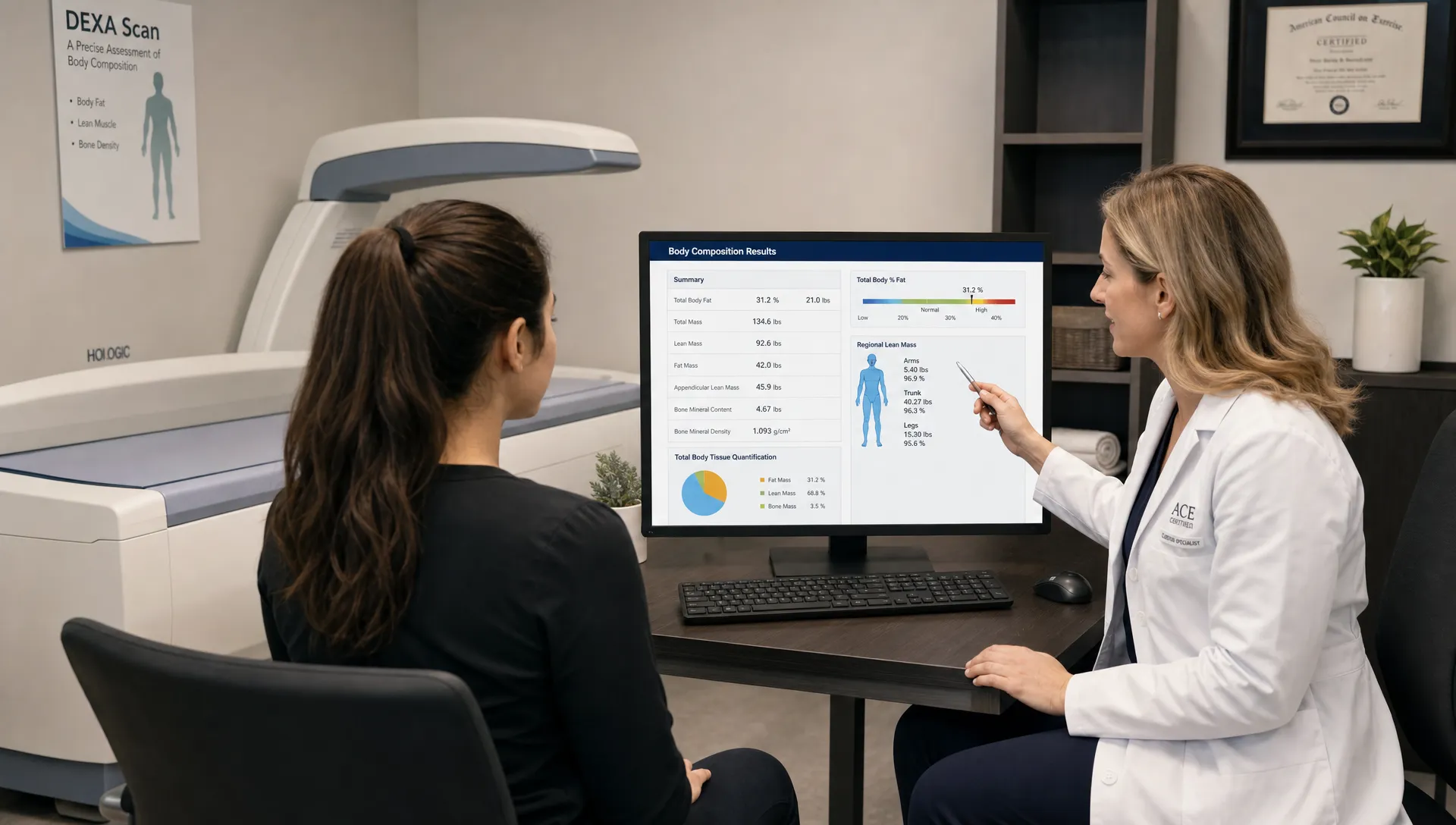
A strong appointment should include a review of the main results in plain English. That means understanding whether changes in weight are coming from fat mass, lean mass, water-related variation or measurement context. It also means looking at regional patterns, such as whether muscle gain is balanced across the body or whether visceral fat is changing alongside overall fat loss.
This is where Custom Fit’s staffing model matters. Custom Fit DEXA scans are performed by Registered Dietitians or Exercise Physiologists, so the person reviewing your results understands how nutrition, strength training, energy balance and recovery influence body composition. That is very different from walking away with numbers but no plan.
When is a higher DEXA scan cost worth it?
Paying more can make sense if the appointment helps you make better decisions. For example, a DEXA scan can help identify whether a weight loss phase is preserving muscle, whether a strength program is adding lean mass and whether abdominal fat is trending in the right direction.
A higher-cost scan may be worth it when it includes:
- A credentialed professional reviewing your report
- Clear explanations of body fat, lean mass and visceral fat
- Practical next steps for training or nutrition
- Repeat testing options that make progress measurable
- A clinic environment that fits your schedule and privacy expectations
On the other hand, you may not need the most expensive option if you only want a one-time baseline and already have a trusted physician, coach or dietitian interpreting the report. The best choice depends on whether you want raw data, expert interpretation or a full coaching pathway.
How often should you repeat a DEXA scan?
For most fitness and body composition goals, repeating a DEXA scan every 8 to 16 weeks is more useful than scanning too often. Muscle gain and fat loss take time, and small short-term fluctuations can distract from the larger trend.
If you are preparing for a race, rebuilding strength after a demanding work period or making a significant nutrition change, a repeat scan can help you see what is actually changing. The scale may stay flat while body fat drops and lean mass increases, which is one reason many San Francisco clients use DEXA as a progress tool rather than a one-time novelty.
For bone health, your physician should guide testing frequency. Medical DEXA timing depends on age, risk factors, prior results, medications and clinical history.
Cost considerations for physicians, longevity clinics and employers
For private practice doctors, concierge medicine groups, longevity clinics and employee benefits managers, the price of a DEXA scan is only one part of the decision. The larger question is whether the testing partner can provide a professional experience that reflects well on your practice or benefits program.
A referral partner should have a clear process for scheduling, consistent scan protocols and qualified staff who can discuss results responsibly. For employee wellness programs, the value often comes from turning biometric interest into actionable lifestyle change. For longevity practices, DEXA can support more informed conversations about muscle mass, visceral fat and bone density trends.
Credentialing matters here too. When results are reviewed by Registered Dietitians or Exercise Physiologists, clients are more likely to understand the relationship between the report and the behaviors that can change it. That makes the scan more than a measurement. It becomes a decision-making tool.
How to compare DEXA providers in San Francisco
Before choosing a provider, ask what is included in the quoted price. A very low fee can be fine if you know exactly what you are getting, but it may not include the guidance you need.
Use these questions when comparing options:
- Who performs the scan and reviews the results?
- Does the appointment include body fat, lean mass, visceral fat and bone metrics?
- Will I receive practical recommendations or only a report?
- Can I repeat the scan under similar conditions later?
- Is the provider convenient for my San Francisco workday or commute?
- Are packages or memberships available if I want ongoing testing?
If you work in SoMa, commute through Hayes Valley or train around central San Francisco, convenience can affect adherence. The best scan is the one you can repeat consistently enough to track meaningful change.
Frequently Asked Questions
How much does a DEXA scan cost in San Francisco? Self-pay body composition DEXA scans commonly range from about $75 to $250 per scan, depending on the provider, location and whether expert interpretation is included. Medical DEXA scans for bone density may be billed differently through insurance.
Is a DEXA scan covered by insurance? Insurance may cover a physician-ordered DEXA scan for eligible bone density screening, depending on your plan and medical need. Body composition DEXA scans for fitness or wellness are usually self-pay.
Is DEXA worth the cost compared with a smart scale? A smart scale can be useful for frequent at-home trends, but DEXA provides a more detailed assessment of fat mass, lean mass, regional distribution, visceral fat and bone-related metrics. The value is highest when a qualified professional helps you interpret the results.
Does Custom Fit just give an automated DEXA report? No. Custom Fit DEXA scans are performed by Registered Dietitians or Exercise Physiologists, so clients work with professionals who understand nutrition, exercise physiology and body composition rather than simply receiving an automated scan report.
How soon should I repeat a DEXA scan? Many people repeat a scan after 8 to 16 weeks of consistent training or nutrition changes. Your ideal timing depends on your goals, baseline results and whether you are tracking fat loss, muscle gain, bone health or overall body composition.
See current DEXA scan options at Custom Fit
If you are comparing DEXA scan cost in San Francisco, make sure you compare both price and professional support. A scan is most valuable when you understand what the numbers mean and how to act on them.
You can review current options on Custom Fit’s DEXA scan purchase page and choose the testing path that fits your goals, schedule and level of support.