Is the Facility Ready for Personal Training After 60?
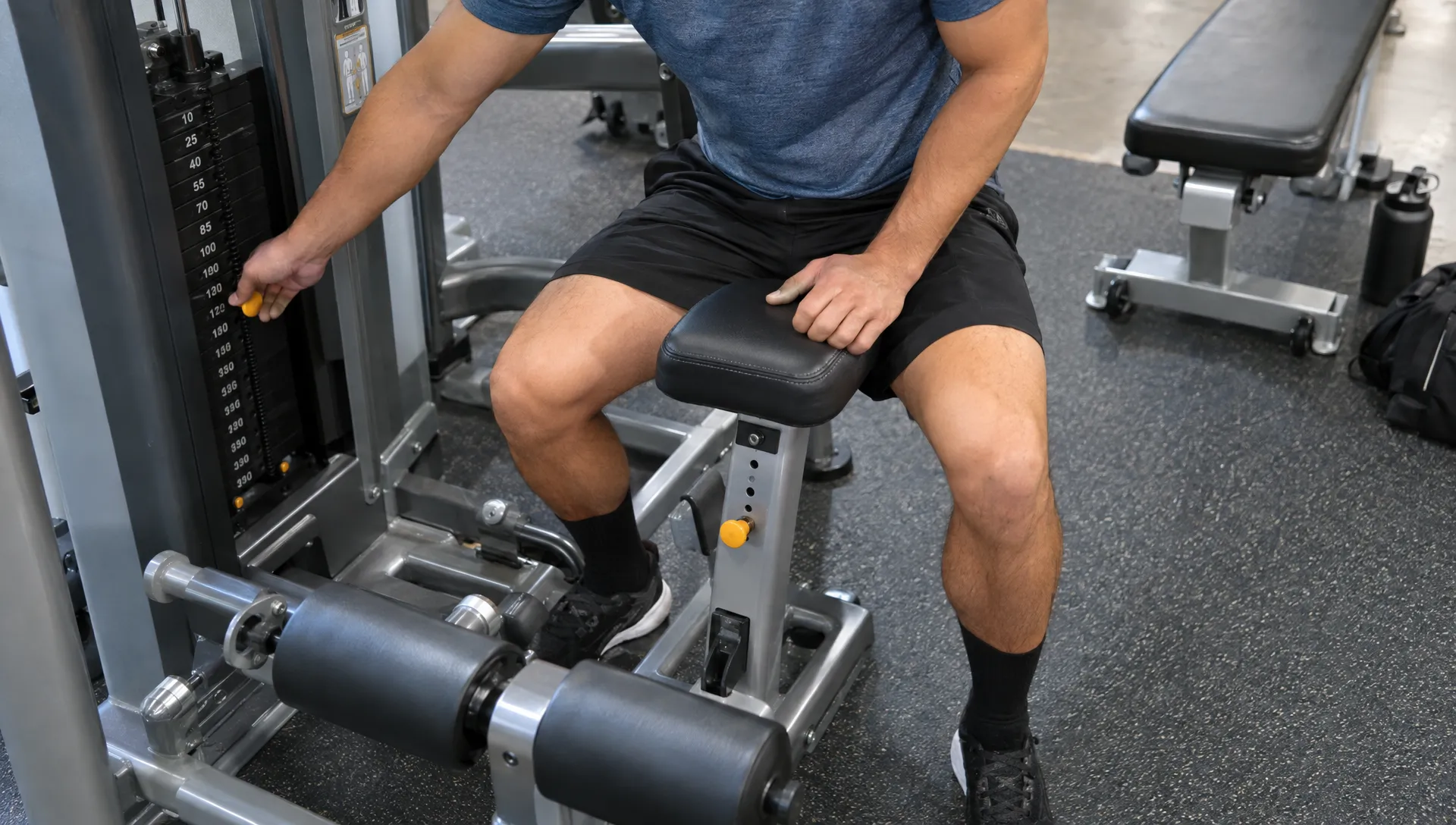


Before you choose the facility for personal training after 60, look beyond the equipment list. The space should make it easier to build strength, practice balance and progress safely, whether you are returning after a long break or already exercising regularly. Attractive interiors and advanced testing cannot replace accessible equipment, attentive coaching and a clear response when something feels wrong.
A facility is ready when it can adapt to your current abilities without treating your age as a limitation. Use the following checks to evaluate the space, the training process and the support available before committing.
What Should Change About Training After 60?
Turning 60 does not automatically require lighter weights, medical clearance or a special senior program. Training decisions should reflect your health history, experience, goals and current function rather than your birthday alone.
What matters is whether a facility can accommodate differences between clients. One person may be preparing for a hiking trip, another rebuilding confidence after a fall and another maintaining strength through a demanding work schedule. Those clients need different starting points.
Progressive resistance training remains relevant as people age. The National Strength and Conditioning Association’s position statement on resistance training for older adults supports individualized programming to improve strength and physical function.
The practical question is whether the environment supports that individualization. A trainer should be able to adjust an exercise, its difficulty or its location without making the session feel improvised.
How to Check the Facility for Personal Training After 60
Request a tour during the hours you would actually train. A quiet midday visit may not reveal the crowded walkways, noise or equipment shortages you would encounter after work.
Follow your likely route from the entrance through the workout area and changing facilities. Look for the following details:
| Area to inspect | What supports a useful session | What deserves a follow-up question |
|---|---|---|
| Walking routes | Clear paths with visible floor transitions | Bags, cables or equipment obstructing access |
| Equipment setup | Seats, handles and supports that adjust to your needs | Machines you cannot enter or exit comfortably |
| Training floor | Space for walking, carrying and balance practice | Exercises squeezed into busy circulation areas |
| Lighting and sound | Enough visibility and manageable noise to follow cues | Glare, dark corners or music that overwhelms conversation |
| Changing facilities | A practical layout and somewhere to sit if needed | A route or setup that makes changing difficult |
Ask to try the adjustments rather than accepting a general assurance that everything is accessible. The facility for personal training should work for your actual movement needs, including on days when stiffness or fatigue changes what feels comfortable.
Look for Equipment That Allows Small, Useful Progressions
An extensive machine collection is less valuable than equipment you can use comfortably and progress with over time.
Check whether there are manageable starting loads, small weight increments and stable supports. A cable exercise that starts too heavy or a machine that does not fit your proportions can limit training despite looking impressive on a tour.
Ask the trainer to demonstrate alternatives to a few common movements: standing from a chair, pulling a handle and stepping onto a low platform. There should be options to change the height, resistance, range of motion or amount of support.
A good setup also leaves room for movements that resemble everyday tasks, such as carrying groceries or stepping around an obstacle. Not every session needs these exercises, but they should be possible without competing with people crossing the floor.
Stable support is a training tool, not a sign of failure. Holding a rail while practicing a movement can help someone work at an appropriate challenge level.
Before joining, confirm that the facility for personal training offers useful progressions between “too easy” and “too difficult,” rather than relying on one version of every exercise.
Check the Safety Process, Not Just the Waiver
A signed waiver does not tell you how a facility handles health concerns. Ask what happens before your first workout and who reviews the information you provide.
A useful intake should address current activity, relevant diagnoses, recent surgery, falls, pain and medications that may affect exercise tolerance or balance. You should also have a private way to discuss this information.
Medical clearance is not automatically necessary because you are over 60. Symptoms, known conditions and the intensity you plan to attempt can make clinical guidance appropriate. New chest discomfort, fainting or unexplained shortness of breath should not be treated as problems to push through.
Ask these operational questions directly:
- Where is the automated external defibrillator, and who is trained to use it?
- What is the emergency procedure during the hours I attend?
- How do trainers document symptoms or changes between sessions?
- When would you recommend that I see a physician or physical therapist?
The answers should distinguish exercise coaching from diagnosis and rehabilitation. A trainer can modify a workout, but should not claim to diagnose persistent pain or override restrictions from your treating clinician.
You want the facility for personal training to have a consistent process for changing or stopping a session, not a culture in which completing the workout matters more than responding to symptoms.
Ask What Your First Month Would Actually Look Like
A useful first month establishes a tolerable starting point and then builds from it. It should not be a sequence of exhausting workouts designed to prove that training is happening.
Early sessions might assess comfortable movement ranges, exercise technique and how you respond to an initial training dose. Later sessions can build on that information by adjusting resistance, repetitions or complexity. The pace should reflect your response, not a fixed age-based template.
For adults 65 and older, the CDC’s physical activity guidance includes aerobic activity, muscle-strengthening activity and balance work. Those are longer-term goals, not requirements to complete immediately when returning to exercise.
Balance deserves deliberate attention when relevant to your needs. A Cochrane review of exercise for preventing falls found that exercise programs reduced falls among community-dwelling older adults, with balance and functional exercise playing an important role. That does not mean every balance drill is appropriate for every person.
Ask how the facility for personal training will connect your sessions to a practical goal, such as climbing stairs more comfortably, getting up from the floor or managing a longer walk. The answer should include how progress will be assessed and what would prompt an adjustment.

Use Testing to Inform Decisions, Not to Set an Entry Requirement
Testing can provide useful context, but a scan or fitness score should not determine whether you deserve to start exercising. Ask what question a test answers and how the result would change your plan.
At Custom Fit, DEXA scans are performed by Registered Dietitians or Exercise Physiologists. Clients work with professionals who understand nutrition, exercise physiology and body composition, rather than simply receiving an automated scan report. That expertise matters when discussing body fat, muscle mass estimates or changes over time.
A DEXA scan does not directly measure strength, balance or exercise technique. Similarly, VO2 max testing addresses aerobic fitness, not whether a particular strength exercise suits you. Different assessments answer different questions.
Useful training outcomes can also be straightforward: lifting a familiar load more comfortably, walking farther or using less assistance for a repeatable task. Testing should complement those outcomes, not replace them.
When evaluating the facility for personal training, ask staff to explain one concrete decision they would make differently based on a proposed assessment. If the result would not influence your care, clarify why the test is being recommended.
Make Sure the Routine Works Outside the Gym
For San Francisco residents, the route to a session can affect whether the plan lasts. Consider hills between transit and the entrance, parking availability and how you will get home after a demanding workout. Check these details at your intended appointment time.
Scheduling also needs room for real life. Ask about appointment availability, cancellation terms and how training changes after travel, illness or a poor night’s sleep. These policies matter more than an ambitious plan you cannot sustain.
Professional fit is another part of the environment. Our guide to choosing a personal trainer for fitness after 50 explores the coaching relationship in more detail, while the facility tour helps you assess whether that coach has a suitable place to work with you.
Stress can also affect attendance and recovery. Exercise coaching is not psychotherapy. When burnout, anxiety or perfectionism is the main barrier, separate support may be appropriate. For readers based in North Carolina, South Carolina or Pennsylvania, Zen with Zur’s virtual therapy for burnout and perfectionism is an option to explore, subject to provider eligibility and fit.
Ultimately, the facility for personal training should support a repeatable routine, including reasonable adjustments when your energy, health or schedule changes.
Frequently Asked Questions
Do I need a gym specifically for people over 60? No. A general training facility can be suitable if its equipment, coaching and safety procedures meet your needs. A senior-focused label does not guarantee individual attention, and a mixed-age gym is not automatically unsuitable.
Are machines safer than free weights after 60? Neither category is universally safer. Machines can offer support, while free weights allow flexible movement choices. Fit, load selection, technique and supervision matter more than the equipment category alone. Many people benefit from a combination.
What should a personal trainer do during my session? A trainer should select appropriate exercises, teach technique, monitor your response and adjust the session when needed. They should also explain the purpose of the work and track progress. Persistent symptoms or issues beyond their scope should prompt referral.
What is the most useful question to ask before joining? Ask, “How would you adapt my session if my usual exercise did not feel comfortable today?” The answer reveals whether the facility for personal training has practical alternatives, an appropriate decision-making process and staff who listen rather than push through a preset plan.
Evaluate Custom Fit Against Your Own Checklist
Custom Fit offers personal training, nutrition coaching, recovery services and longevity testing in San Francisco. The next step is to ask how those services would support your particular goals, not assume you need every option.
When you contact Custom Fit about personal training, bring your priorities and any relevant health considerations. Request a tour and a clear explanation of your starting plan before committing.