How to Get VO2 Max Tested and Use Your Results
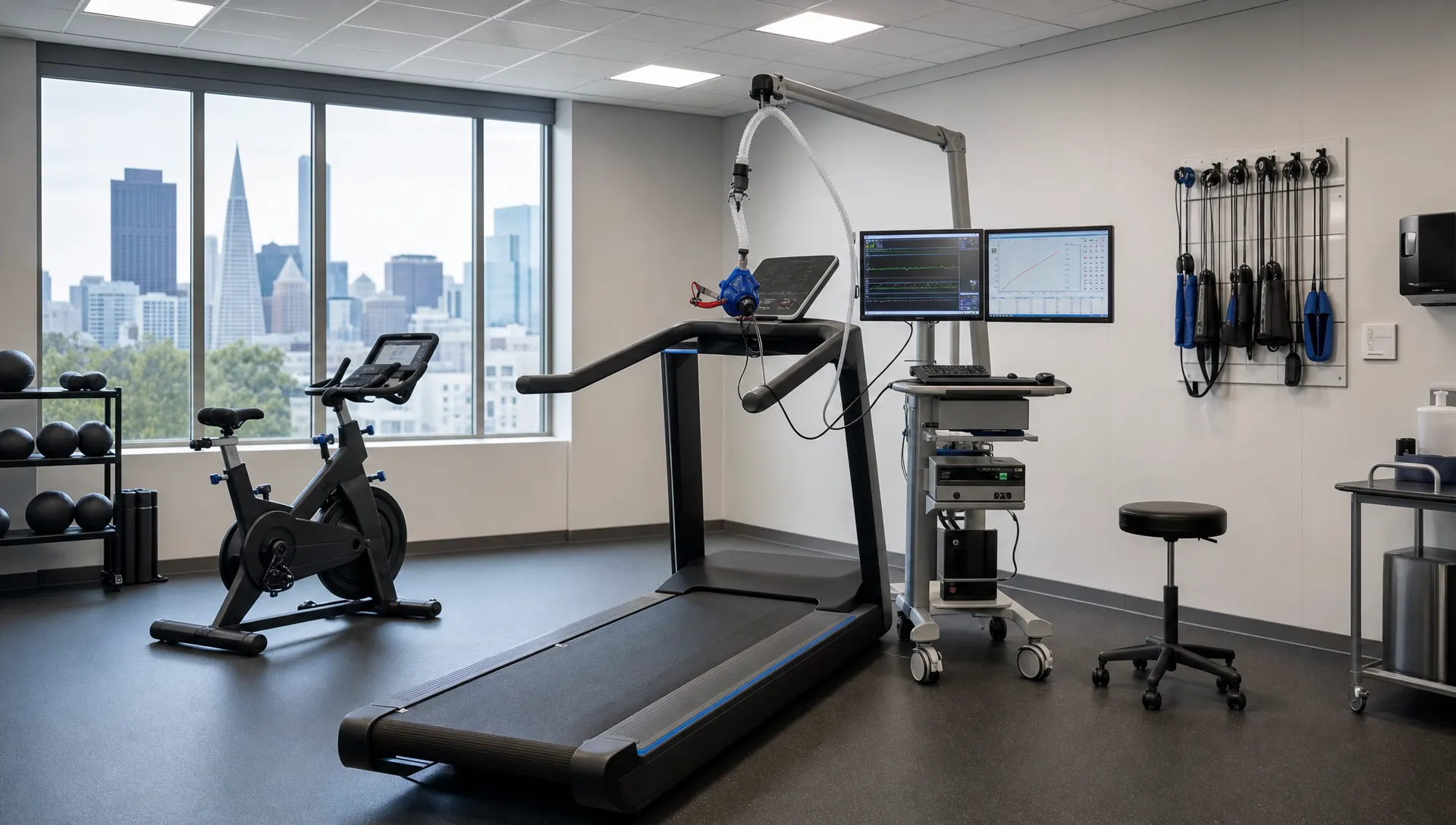


If you want to get VO2 max tested, you are probably looking for a clearer answer than a wearable estimate or a generic cardio score. A lab-based VO2 max test measures how much oxygen your body can use during progressively harder exercise, which makes it one of the most useful assessments for endurance performance, training zones and long-term health planning. The real value is not the number by itself. It is what you do with the result afterward, from adjusting workouts to pairing the data with nutrition coaching, body composition testing and recovery strategy.
How to Get VO2 Max Tested: What Happens in the Lab
A true VO2 max test is usually performed on a treadmill or stationary bike while you wear a fitted metabolic mask or mouthpiece. The equipment analyzes the oxygen you inhale and the carbon dioxide you exhale as the workload increases in stages. The test continues until you reach a maximal or near-maximal effort, depending on your health status, goals and the protocol selected by the testing professional.
Most tests take less than 20 minutes of active exercise, though the full appointment is longer because it includes setup, calibration, explanation, warmup and review. You can expect the intensity to feel manageable at first, then challenging and finally very hard near the end. A qualified team should monitor your heart rate, perceived exertion and breathing response throughout the process.
The output is not just one score. A good report can include VO2 max, maximum heart rate, ventilatory thresholds, training zones and practical recommendations. That interpretation matters, especially if you are using the test for performance, medical fitness, longevity or a return-to-exercise plan.
Lab testing vs wearable estimates
Wearables can be helpful for tracking trends, but they do not directly measure oxygen exchange. Most estimate VO2 max from heart rate, pace, power, age, sex and body size. Those estimates can shift when your route, sleep, temperature, terrain or device accuracy changes.
Lab testing is different because it measures respiratory gases during exercise. That is why it is often used by endurance athletes, coaches, exercise physiologists, sports medicine practices and longevity-focused clinicians. The American Heart Association has argued that cardiorespiratory fitness should be treated as a clinical vital sign, which helps explain why more people now use VO2 max testing for health planning, not just race preparation.
If you already track workouts with a watch, bring that data. It can help the testing professional compare your lab values with your day-to-day training patterns.
Who Should Consider VO2 Max Testing?
The best time to get VO2 max tested is when you have a reason to use the result. For runners, cyclists, rowers and HYROX-style athletes, the test can clarify aerobic capacity and help set more accurate training zones. For busy professionals, it can show whether their current program is improving fitness or simply creating fatigue.
VO2 max testing also fits well into longevity and preventive health programs. Cardiorespiratory fitness is strongly associated with health outcomes, but it is often missing from routine checkups. If you are a private practice physician, concierge medicine provider or employee benefits manager evaluating testing partners, look for a facility that can explain the results in plain language and connect them to behavior change.
Testing is not only for fit people. It can be useful for someone restarting exercise after a long break, as long as the test is appropriate for their health status. Anyone with chest pain, unexplained shortness of breath, known cardiovascular disease or significant medical concerns should ask their physician whether exercise testing is appropriate before scheduling.
How to Prepare Before You Get VO2 Max Tested
Before you get VO2 max tested, treat the appointment like an important workout rather than a casual errand. You want your body to be rested enough to produce useful data, but you do not need to taper like you would for a race unless your coach or clinician advises it.
A few simple preparation steps make the test more reliable:
- Avoid hard training for 24 hours before the test.
- Get a normal night of sleep if possible.
- Eat a familiar meal or snack, but avoid a heavy meal in the final 2 to 3 hours.
- Stay hydrated, but do not overdo fluids right before the appointment.
- Wear shoes and clothing appropriate for running or cycling.
- Bring a list of medications, especially anything that affects heart rate.
Caffeine is worth asking about in advance. Some people test under normal daily conditions, including their usual coffee. Others avoid caffeine so the result is easier to compare with future tests. The right choice depends on whether you want a real-world performance snapshot or a cleaner physiological baseline.
What Your Results Actually Tell You
Once you get VO2 max tested, you will usually see your score reported as milliliters of oxygen per kilogram of body weight per minute, written as ml/kg/min. This relative score allows comparison across people of different body sizes. You may also receive an absolute oxygen uptake value in liters per minute, which can be useful when looking at total aerobic power.
| Result | What it means | How you can use it |
|---|---|---|
| VO2 max | Maximum oxygen use during intense exercise | Track aerobic fitness and compare progress over time |
| Max heart rate | Highest heart rate reached during the test | Anchor training zones more accurately than age formulas |
| Ventilatory thresholds | Points where breathing and metabolism shift | Set easy, tempo and high-intensity training targets |
| RER | Ratio of carbon dioxide produced to oxygen consumed | Helps confirm whether the effort was near maximal |
| Recovery response | How quickly heart rate and breathing settle | Adds context for conditioning and recovery planning |
Do not treat any single metric as the whole story. VO₂ max is most useful when interpreted alongside thresholds, training history, recovery and goals.
How to Use Your VO2 Max Results for Training
The real payoff when you get VO2 max tested is turning lab data into weekly decisions. Instead of guessing your cardio intensity from a watch default or a rough age-based heart rate formula, you can build sessions around your actual physiological response.
For many clients, the most useful part of the report is not the maximum value. It is the threshold data that separates easy aerobic work from moderate and high-intensity training. That helps prevent the common mistake of doing every workout a little too hard to recover from, but not hard enough to drive a specific adaptation.
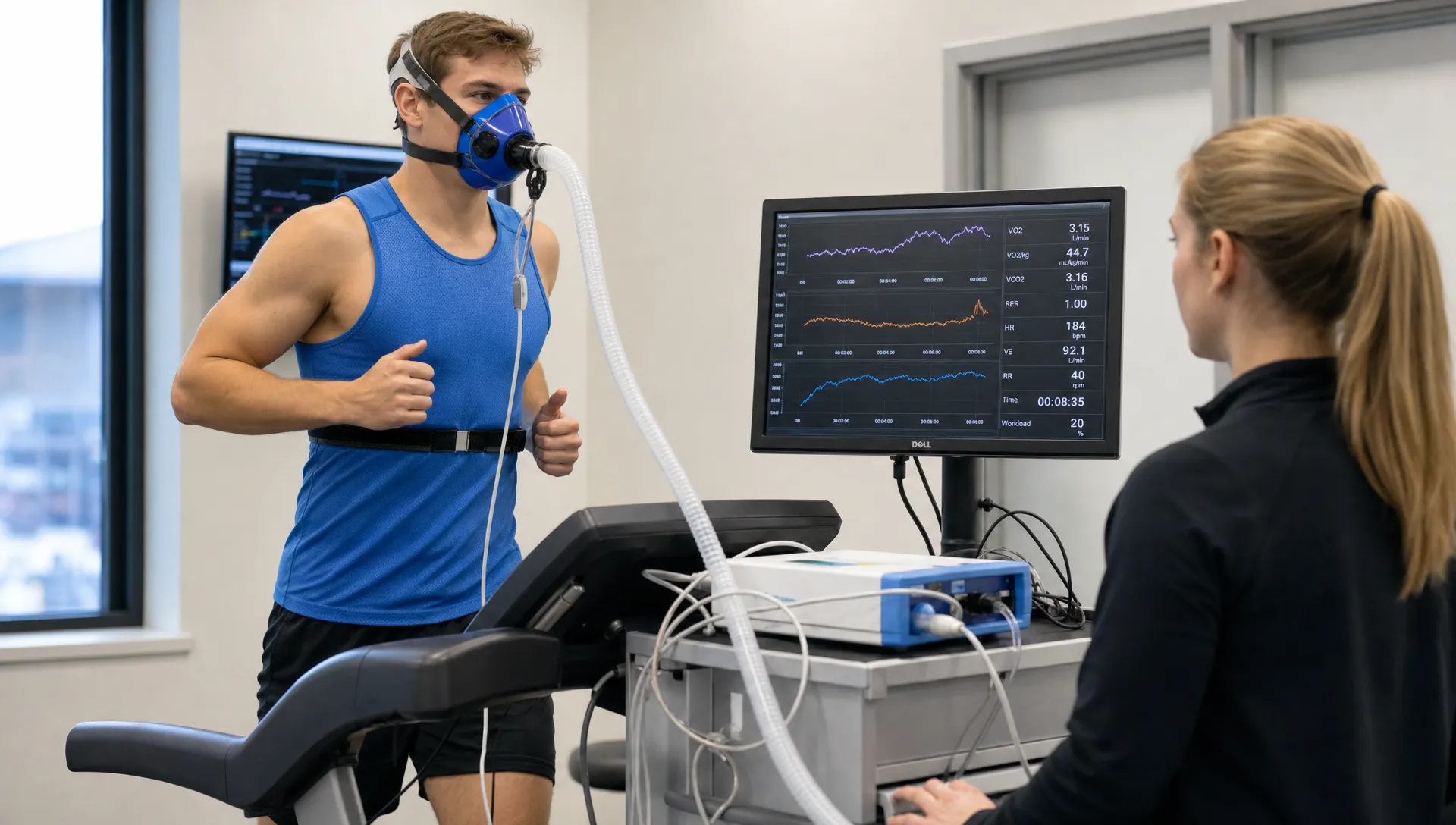
Build zones from your physiology, not formulas
Training zones based on your own test results can make workouts more precise. Your easy zone should feel sustainable and support aerobic base development. Your moderate work can target tempo or threshold improvements. Your high-intensity intervals can be used carefully to challenge oxygen uptake without turning every week into a stress test.
If you want a deeper explanation of the number itself, Custom Fit has a guide on what VO2 max means for health and performance. That context is helpful before you start comparing your result with online charts or age-group averages.
Match workouts to your goal
A marathon runner, a busy executive and a 55-year-old focused on longevity should not use the same plan just because they have the same VO2 max. The runner may need more race-specific threshold work. The executive may need efficient training that fits around travel and long workdays. The longevity-focused client may benefit from a sustainable mix of Zone 2 work, strength training and periodic higher-intensity sessions.
For runners in the city, terrain matters too. San Francisco hills can make pace-based training unreliable, especially around neighborhoods like Pacific Heights or Noe Valley. Heart rate and threshold guidance can make outdoor runs more controlled. For a runner-specific angle, see Custom Fit’s article on VO2 max testing for runners in San Francisco.
Use Results for Health, Longevity and Nutrition
If you get VO2 max tested as part of a broader wellness plan, your score can help prioritize where to focus. A lower-than-expected result might point toward aerobic base training, improved consistency or better recovery. A strong result can confirm that your cardiovascular fitness is a health asset worth maintaining.
The longevity conversation is supported by large observational research. In a 2018 JAMA Network Open study of more than 120,000 patients referred for treadmill testing, higher cardiorespiratory fitness was associated with lower long-term mortality, and the authors reported no observed upper limit of benefit within the study population. You can read the paper in JAMA Network Open.
VO2 max also becomes more useful when paired with body composition and nutrition data. Two people can have the same relative VO2 max for different reasons, including differences in muscle mass, body weight, training status and fueling. When DEXA is part of the conversation, Custom Fit DEXA scans are performed by Registered Dietitians or Exercise Physiologists. That means clients are working with professionals who understand nutrition, exercise physiology and body composition, not simply receiving an automated scan report.
How Often Should You Retest?
Most people should get VO2 max tested again only when enough training time has passed to create a meaningful change. If you are following a structured program, retesting after 8 to 12 weeks can show whether the block improved aerobic capacity or shifted your thresholds. For general health and longevity tracking, every 3 to 6 months is often more practical.
Retesting is especially helpful after a major change in training, nutrition, sleep or body composition. It can also be useful after a long travel period, injury layoff or illness, but timing matters. Testing too soon after a disrupted period may only confirm that you are not fully back yet.
Use the same modality when possible. If your first test was on a treadmill and your second is on a bike, the comparison may be less direct because running and cycling stress the body differently.
Common Mistakes After VO2 Max Testing
The most common mistake is turning the result into an identity. A high score does not mean your training is complete, and a lower score does not mean you are stuck. VO2 max responds to consistent training, recovery, sleep and nutrition, but the rate of change varies by age, training history and genetics.
Another mistake is doing too many maximal intervals after seeing the report. High-intensity work can improve VO2 max, but it is only one tool. Many people improve faster when they combine aerobic base work, progressive strength training and carefully dosed intervals.
Finally, avoid comparing your result to elite athletes unless that comparison is relevant to your sport and training volume. A better question is whether your number and thresholds are improving in a way that supports your own goals.
Where to Get VO2 Max Tested in San Francisco
When deciding where to get VO2 max tested, look for more than equipment. The quality of the appointment depends on protocol selection, safety screening, clean data collection and professional interpretation. You should leave with a clear explanation of what the number means, how your thresholds apply to training and what to do next.
At Custom Fit SF, VO2 max testing fits into a broader data-driven wellness model that can include personal training, nutrition coaching, recovery services, longevity testing and DEXA scans. That combination is useful if you want one team to connect your cardio data with your strength plan, fueling strategy and body composition goals.
For people moving between the Financial District, SoMa and evening commitments, scheduling matters. A well-run testing appointment should respect your time while still giving you enough context to act on the results. If you are a clinician or concierge medicine team referring patients, ask how results are explained and whether clients receive practical next steps rather than a standalone printout.
Frequently Asked Questions
How hard is a VO2 max test? The final stage is very hard, but the test builds gradually. Most of the discomfort is brief, and the professional running the test can stop it if needed.
Do I need to be an athlete to get VO2 max tested? No. Many people use VO2 max testing for health, longevity or a smarter return to fitness. The key is choosing an appropriate protocol and getting medical clearance if you have relevant symptoms or conditions.
Is treadmill or bike testing better? Use the modality that matches your goals. Runners usually benefit from treadmill testing, while cyclists often get more sport-specific data from a bike test.
Can my Apple Watch or Garmin replace a lab test? Wearables are useful for trends, but they estimate VO2 max. A lab test directly measures oxygen use and can identify thresholds that watches may not capture accurately.
What should I do with my results first? Start by confirming your training zones, then adjust your weekly plan. Most people need a mix of easy aerobic work, strength training, recovery and occasional high-intensity sessions.
Ready to Turn Your Results Into a Plan?
A VO2 max test is most valuable when it leads to better decisions. If you want a precise baseline, clearer training zones and professional guidance on what to do next, Custom Fit SF can help connect testing with coaching, nutrition and recovery support.
Schedule a VO2 max test with a team that understands performance, health and body composition, then use the data to train with more purpose.