Who Benefits Most From Custom Personal Training?
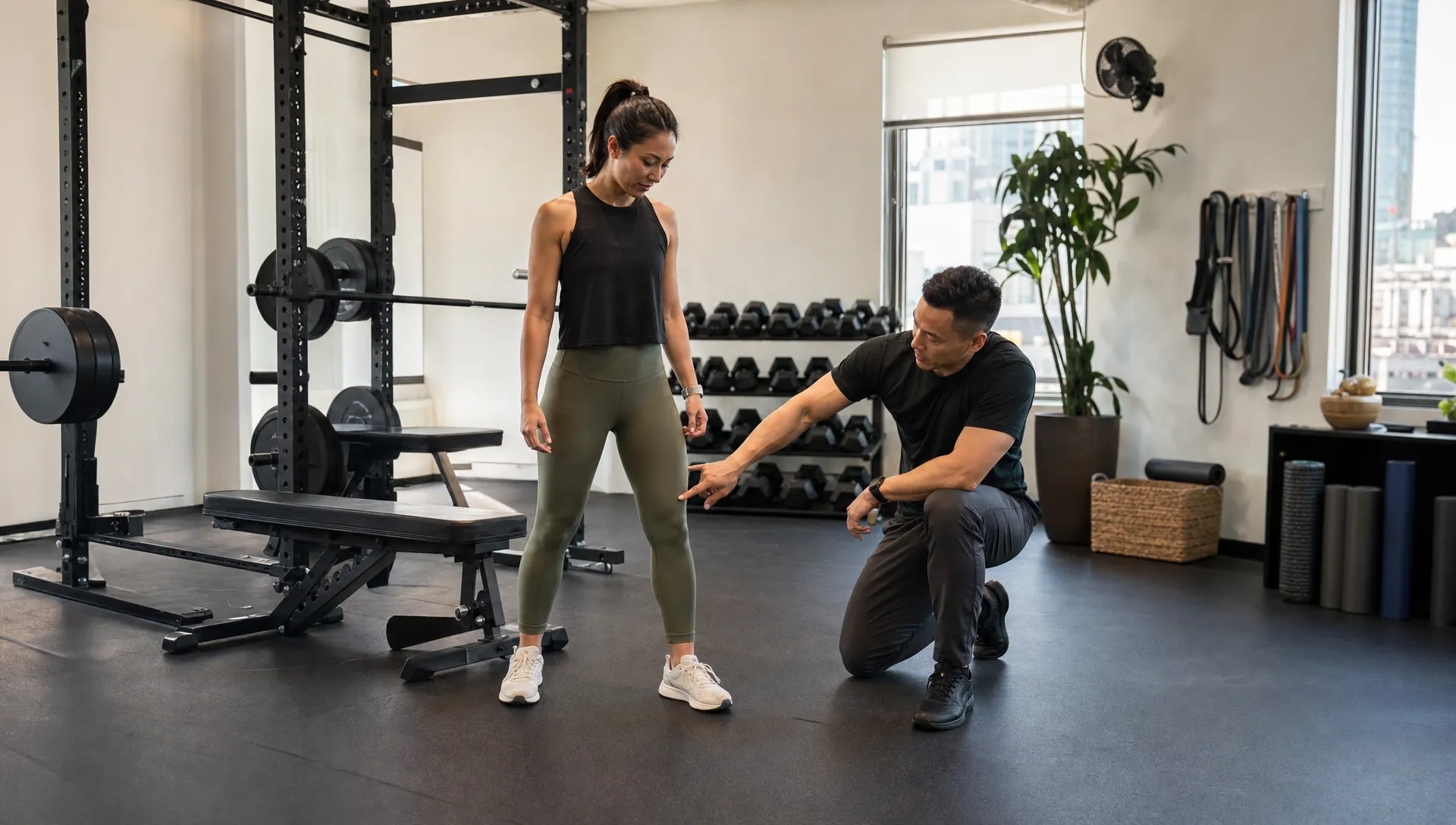


Custom personal training is most valuable for people who need more than a workout plan. It helps when your goals are specific, your schedule is tight, your body does not respond well to generic programming or you want objective feedback on strength, body composition and health markers. For many San Francisco professionals, the benefit is not just harder exercise. It is better decision-making, safer progression and a plan that adapts as life changes.
The people who benefit most tend to have constraints. They may have demanding jobs, travel-heavy calendars, old injuries, unclear nutrition habits or ambitious performance goals. A good coach turns those constraints into program variables instead of treating them as excuses.
For clients moving between the Financial District, SoMa and evening commitments, convenience also matters. Working with a San Francisco wellness studio that integrates training, nutrition, testing and recovery can reduce the number of disconnected appointments needed to make progress.
Who benefits most from custom personal training?
The best candidates are not always beginners and they are not always elite athletes. They are people who want a plan built around their real body, real schedule and real goals. That includes busy professionals, adults returning to fitness after a long break, longevity-focused clients, people pursuing body composition changes and organizations that want higher-quality wellness support for employees or patients.
Busy professionals with limited bandwidth
A demanding schedule can make fitness feel like another job. If you spend your day making decisions, leading a team, seeing patients or managing clients, the value of coaching is often the removal of guesswork.
For this group, custom personal training can turn vague intentions into a weekly structure: what to do, when to progress, when to pull back and how to stay consistent during travel or deadline-heavy weeks. That is why personal training can be especially useful for people whose main barrier is not motivation, but cognitive load.
This is also where accountability becomes practical rather than motivational theater. A trainer who knows your calendar can adjust intensity after poor sleep, shift sessions around business travel and help you train effectively without needing a perfect week. If your biggest question is whether the investment makes sense, Custom Fit has a deeper guide on personal training for busy professionals.
People returning after a long break
Coming back to training after months or years away is different from starting from zero. You may remember how you used to lift, run or move, but your current capacity may not match that memory. That gap is where many people overdo it, get sore for days, lose momentum and stop again.
Custom personal training helps returning clients rebuild gradually. The early priority is usually consistency, movement quality and tolerance, not maximal effort. A trainer can choose exercises that create enough stimulus to make progress while avoiding the common mistake of compressing six months of ambition into two weeks.
This matters for former athletes, new parents, people who have changed jobs, adults in their 40s and 50s and anyone whose health habits were interrupted by stress. The goal is not to punish the body back into shape. The goal is to restore trust in training.
People with specific outcomes, not vague goals
Generic fitness can work when the goal is general movement. It becomes less effective when you want a measurable outcome, such as increasing lean mass, reducing visceral fat, improving VO2 max, preparing for a demanding trip or building strength without aggravating an old issue.
Strength and performance-focused clients
Strength training responds well to structure. Sets, reps, rest periods, exercise selection and progression all matter. The American College of Sports Medicine position stand on progression models in resistance training outlines how resistance programs should change over time based on training status and goals, which is exactly where a personalized approach becomes useful.
For strength-focused clients, custom personal training creates a clearer path from assessment to execution. A coach can identify whether you need more volume, better technique, improved mobility, more recovery or a different exercise variation. Small adjustments often compound quickly because they make every session more productive.
This is especially helpful for people who have lifted for years but plateaued. When the goal is getting stronger rather than simply getting tired, the details matter. For a more focused explanation, Custom Fit covers why a personal trainer for strength training can accelerate progress.
Body composition and metabolic health clients
People often say they want to lose weight, but body composition usually tells a more useful story. Two people can weigh the same and have very different levels of muscle mass, body fat and visceral fat. That is why testing can change the quality of the plan.
Custom personal training is especially useful when body composition goals need to be paired with nutrition coaching and objective data. At Custom Fit, DEXA scans are performed by Registered Dietitians or Exercise Physiologists, so clients are working with professionals who understand nutrition, exercise physiology and body composition, not simply receiving an automated scan report.
That professional interpretation matters. A client trying to lose fat while preserving lean mass needs a different plan than someone trying to gain muscle, improve bone density or reduce visceral fat. DEXA data can help guide training focus, nutrition targets and follow-up decisions, especially when paired with consistent coaching.
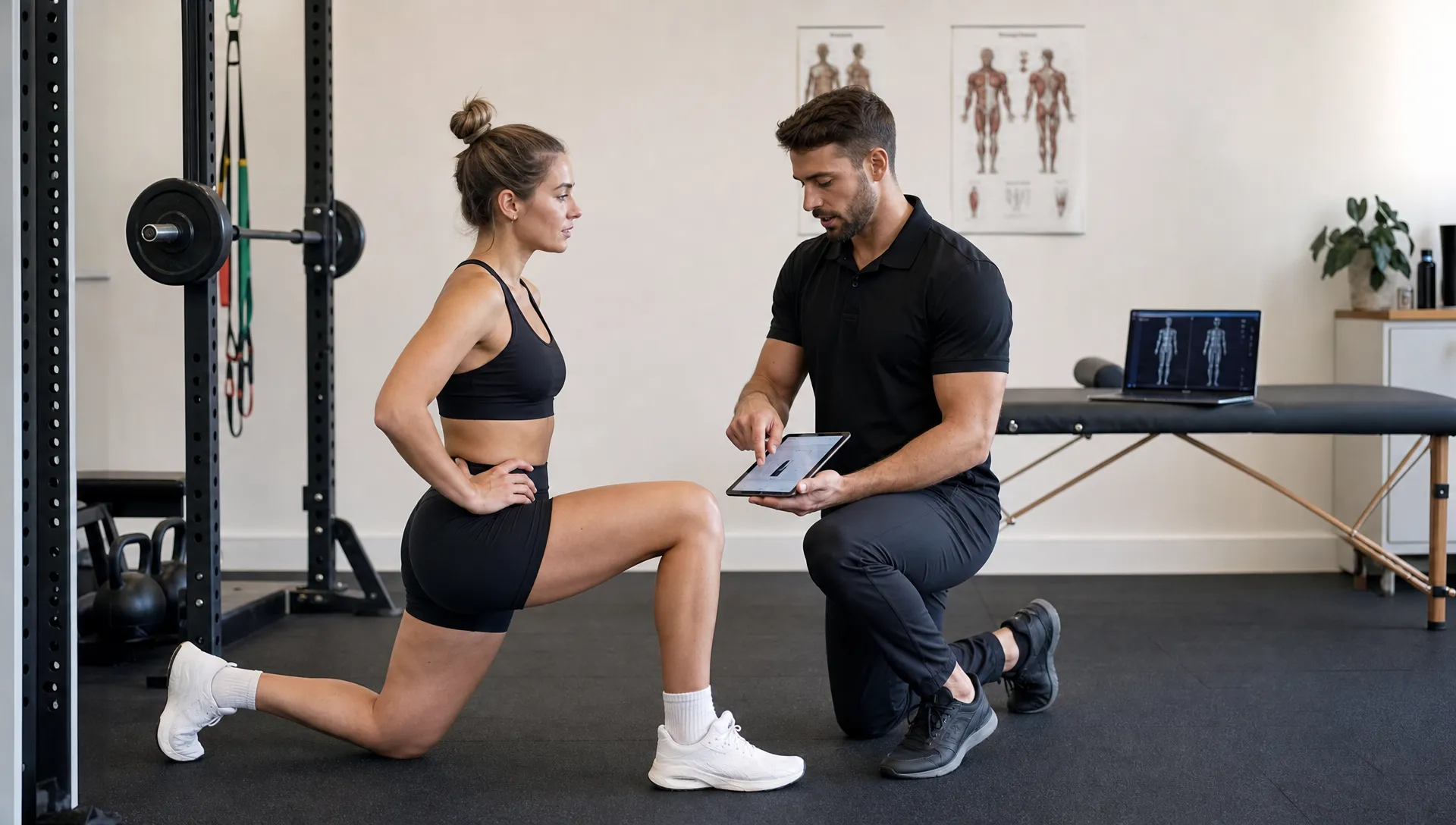
When personalization matters more than motivation
Motivation rises and falls. Good systems do not depend on feeling inspired every day. The strongest argument for personalized coaching is that it adapts to the person in front of the coach, not to an idealized version of that person.
Longevity-focused adults
Longevity-oriented training is not only about living longer. It is about maintaining the physical capacity to do what you want later in life. That often means improving strength, aerobic fitness, balance, mobility and metabolic health in a way that can be sustained for decades.
Research continues to support the value of muscle-strengthening activity for long-term health. A 2022 systematic review and meta-analysis in the British Journal of Sports Medicine found that muscle-strengthening activities were associated with a lower risk of all-cause mortality, cardiovascular disease, total cancer, diabetes and lung cancer, with benefits most apparent at moderate weekly doses of strength work.
For longevity clients, custom personal training helps connect the dots between testing and action. VO2 max testing, DEXA scans, strength assessments and nutrition coaching are only useful if they lead to a plan the client can actually follow. The training should be challenging enough to drive adaptation but sustainable enough to repeat for years.
People with pain history or movement limitations
A trainer does not replace a physician, physical therapist or medical diagnosis. But once someone is cleared to exercise, individualized coaching can help them train around limitations instead of avoiding training altogether.
For someone with an old back flare-up, shoulder irritation, knee sensitivity or post-rehab uncertainty, custom personal training can reduce the risk of doing too much too soon. The plan may include modified ranges of motion, alternative exercises, longer warmups, slower progressions or more attention to technique.
This is not about making training timid. It is about matching the challenge to the body’s current capacity. Many clients discover that they can train harder than they thought, provided the exercises and progression are chosen intelligently.
High achievers who need recovery built into the plan
High performers often apply the same intensity to fitness that they apply to work. That can be useful, but it can also lead to under-recovery. A custom plan should account for sleep, stress, travel, nutrition, soreness and training age.
Recovery is not only what happens after a workout. It is the combination of load management, mobility, soft-tissue care, hydration, protein intake and downshifting the nervous system. Some clients use guided recovery services, while frequent travelers may look for reputable bodywork providers when away from home, such as professional massage and relaxation treatments that support rest and decompression.
The key is that recovery should not be random. It should match the training phase, the person’s stress level and the outcome being pursued.
Organizations, clinics and teams can benefit too
The answer to who benefits most is not limited to individual consumers. Custom coaching and testing can also be valuable for private practice doctors, concierge medicine groups, longevity clinics and employee benefits managers who want a more complete wellness pathway.
For medical and longevity teams, custom personal training can help bridge the gap between recommendations and implementation. A patient may be told to build muscle, improve cardiorespiratory fitness or lose visceral fat, but that advice needs a practical plan, appropriate testing and consistent support.
For employers, the benefit is different. Employee wellness programs often fail when they are too generic. Busy professionals may not engage with vague challenges or app-only programs, but they may respond to high-touch coaching, measurable assessments and guidance that respects their time.
This does not mean every employee or patient needs the same level of service. It means the best programs offer pathways: testing for insight, coaching for execution, nutrition support for behavior change and recovery resources for sustainability.
Who may not need custom personal training?
Personalized coaching is powerful, but it is not always necessary. If someone already trains consistently, has clear programming, progresses safely and feels satisfied with their results, they may only need occasional assessment or a periodic program review.
Custom personal training may also be excessive for someone who only wants casual movement and does not care about measurable outcomes. A group class, gym membership, walking routine or recreational sport can be enough if the person enjoys it and stays consistent.
The question is not whether a trainer is universally better. The question is whether the level of personalization matches the complexity of the goal. When the goal is specific, the timeline matters or the body requires more thoughtful programming, individualized coaching becomes more valuable.
Quick guide: who gets the highest return?
Use this table as a practical filter. If you see yourself in more than one row, individualized coaching is more likely to be worth it.
| Person or group | Common challenge | Why personalized coaching helps |
|---|---|---|
| Busy professionals | Limited time, decision fatigue, inconsistent schedule | Sessions are planned, efficient and adjusted around real-life constraints |
| Returning exercisers | Overdoing it early, soreness, loss of confidence | Progression is gradual and based on current capacity |
| Strength clients | Plateaus, technique issues, unclear progression | Programming becomes more precise and measurable |
| Body composition clients | Scale weight does not explain progress | DEXA, nutrition and training can be interpreted together |
| Longevity-focused adults | Need a long-term plan across strength, cardio and recovery | Testing and training can be aligned to healthspan goals |
| Clinics and employers | Advice or benefits do not always translate into action | Coaching creates an implementation pathway for patients or employees |
How to decide if it is right for you
The best fit for custom personal training is someone who wants clarity. Before choosing a trainer or studio, define what success would look like in three to six months. It might be stronger lifts, lower visceral fat, better conditioning, less pain during exercise, more consistency or improved confidence in the gym.
Then look for a coaching environment that assesses before prescribing. A trainer should ask about your health history, current habits, training experience, schedule, injuries, nutrition and recovery. If body composition or metabolic goals are part of the picture, the ability to integrate testing can make the plan more precise.
Finally, consider whether the environment matches how you live. A beautiful program that does not fit your calendar will not work. A realistic plan that you can repeat, measure and adjust usually wins.
If you are still comparing options, this guide on how to choose a fitness personal trainer for your goals can help you evaluate fit beyond personality and convenience.
Frequently Asked Questions
Is custom personal training only for beginners? No. Beginners benefit because they need structure and technique, but experienced clients often benefit just as much because personalization can break plateaus, improve programming and align training with specific metrics.
How is custom personal training different from a workout plan? A workout plan tells you what to do. Personalized coaching evaluates how your body responds, adjusts the plan over time and accounts for schedule, recovery, nutrition, testing data and technique.
Can it help with fat loss? Yes, especially when training is paired with nutrition coaching and body composition assessment. DEXA scans can help distinguish fat loss from lean mass changes, which is more useful than scale weight alone.
Do I need testing before starting? Not always. Many clients can start with movement and goal assessments. Testing such as DEXA or VO2 max becomes more valuable when you want objective benchmarks, longevity insights or more precise programming.
How soon should I expect results? Early results often include better consistency, improved form and more confidence. Strength, conditioning and body composition changes typically build over weeks and months, depending on training frequency, nutrition, sleep and starting point.
Take the next step with a plan built around you
The people who benefit most from custom personal training are usually not looking for random intensity. They want a smarter process, better feedback and a plan that respects their goals, schedule and health data.
Custom Fit combines personal training, nutrition coaching, recovery services and advanced testing in San Francisco. If you want individualized support from professionals who understand performance, body composition and sustainable behavior change, Custom Fit can help you build the right starting point and progress from there.