Planning Your First Visit to Custom Fit in San Francisco
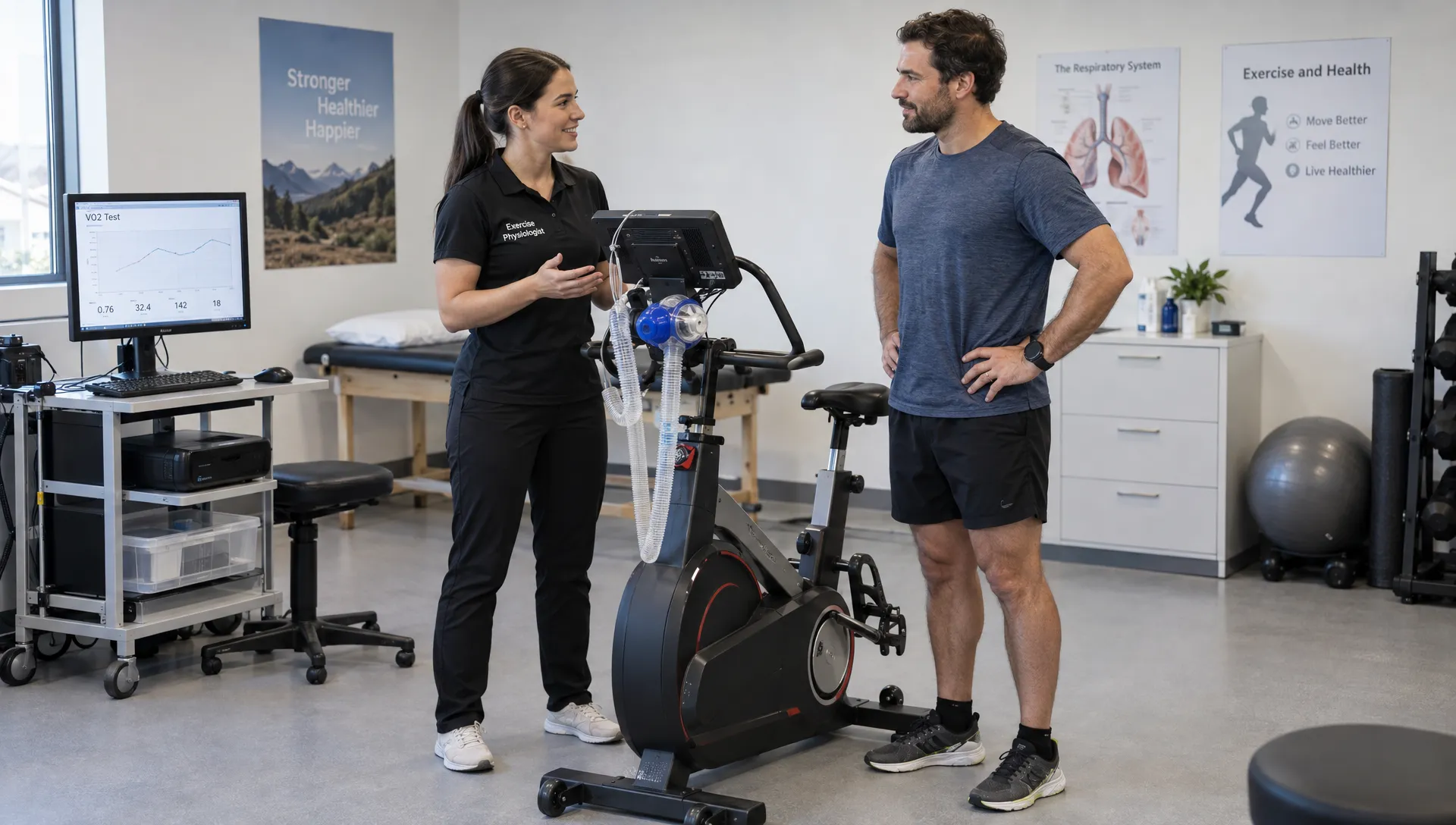


Your first visit to Custom Fit San Francisco should start with a clear goal, not a commitment to every available service. Whether you want help getting stronger, improving your nutrition or understanding your fitness baseline, choosing the right appointment makes preparation easier. You do not need to arrive already fit or know which tests to request.
Start with the service that matches your goal
Custom Fit offers personal training, nutrition coaching, testing and recovery services. Use your main question to narrow down where to begin.
| Your main goal | Service to ask about | Question to ask before booking |
|---|---|---|
| Build strength or restart exercise | Personal or partner training | Which appointment suits my experience and limitations? |
| Improve everyday eating habits | Nutrition coaching | What should I prepare for a consultation? |
| Understand body composition | DEXA scan | How will someone explain the findings? |
| Assess aerobic fitness | VO2 max testing | What preparation and screening are required? |
| Support an existing routine | Recovery services, memberships or group classes | Which options fit my training schedule? |
Custom Fit DEXA scans are performed by Registered Dietitians or Exercise Physiologists. Clients work with professionals who understand nutrition, exercise physiology and body composition, rather than simply receiving an automated scan report.
You can start with one priority. Ask which service addresses it before adding other appointments.
Plan your Custom Fit San Francisco visit before you book
Confirm the service name, appointment length and what the booking includes. A training appointment, nutrition consultation and fitness test serve different purposes, so do not assume one reservation covers all three.
Get the full cost and booking terms
Request the current price for your specific appointment, including any consultation, interpretation or follow-up charges. If you are considering a package or membership, ask about expiration dates, recurring payments and cancellation terms.
Custom Fit offers memberships and a new client special, but check current eligibility and inclusions directly. An introductory offer is useful only if it covers the service you actually need.
For ongoing coaching, calculate a realistic monthly commitment. Twice-weekly appointments mean roughly eight or nine sessions per month, not four. Confirm session duration too, rather than assuming every booking lasts an hour.
Make the trip workable
If you are coming from a SoMa office or a Hayes Valley home, check the location details on Custom Fit’s San Francisco site against your appointment confirmation. Allow for Muni connections, parking or the walk from your stop.
A lunchtime appointment needs room for travel and changing clothes, not just the session itself. Choose a time you could realistically repeat if you decide to continue.
Prepare for the appointment you actually booked
Before visiting Custom Fit San Francisco, request preparation instructions for your specific service. Instructions for a workout may differ from those for a nutrition consultation or physiological test.
For personal or partner training
Wear clothing that lets you move comfortably and bring appropriate exercise shoes and water. Share your recent activity level, relevant injuries, current symptoms and any clinician-imposed exercise restrictions.
A short description is more useful than a polished fitness history: “I walk most days, have not lifted regularly in two years and sometimes get knee pain on stairs.” Tell the coach what you can consistently manage between appointments, too.
If you are booking partner training, explain whether you and your partner have different experience levels or goals. Ask how the appointment can accommodate those differences.
For nutrition coaching or testing
For nutrition coaching, bring questions about your actual routine, such as late meetings, frequent travel or difficulty planning meals. Ask whether a brief food record would be helpful rather than creating a detailed log unnecessarily.
For testing, obtain written instructions about meals, caffeine, hydration and recent exercise. Do not assume you need to fast or arrive dehydrated. Never change prescribed medication without guidance from the prescribing clinician.
If your booking includes a scan, disclose pregnancy or possible pregnancy beforehand and ask about suitability. Share medical conditions or symptoms that could affect exercise testing as well.
Make the first appointment a useful conversation
A first training visit to Custom Fit San Francisco is an opportunity to explain what success would look like in your daily life. “I want to carry groceries uphill without stopping” gives a coach more direction than “I want to get healthier.”
Explain your constraints alongside your goals
Discuss your work schedule, travel, sleep and access to exercise outside the studio. A plan that assumes five open evenings will not suit someone who reliably has two.
Be candid about preferences. If you dislike running, feel nervous around weights or have struggled with restrictive diets, say so. That information helps the professional understand what you are likely to sustain.
Ask what each recommendation would change
For any suggested assessment, ask: “What decision will this result help us make?” A useful answer connects the information to your training, nutrition or next steps, rather than simply adding another number to track.
If you book a workout, describe how movements feel and ask for clarification when instructions are unfamiliar. You do not need to demonstrate maximum effort to make the appointment worthwhile. Pain, dizziness or unusual symptoms should be reported immediately, not pushed through.
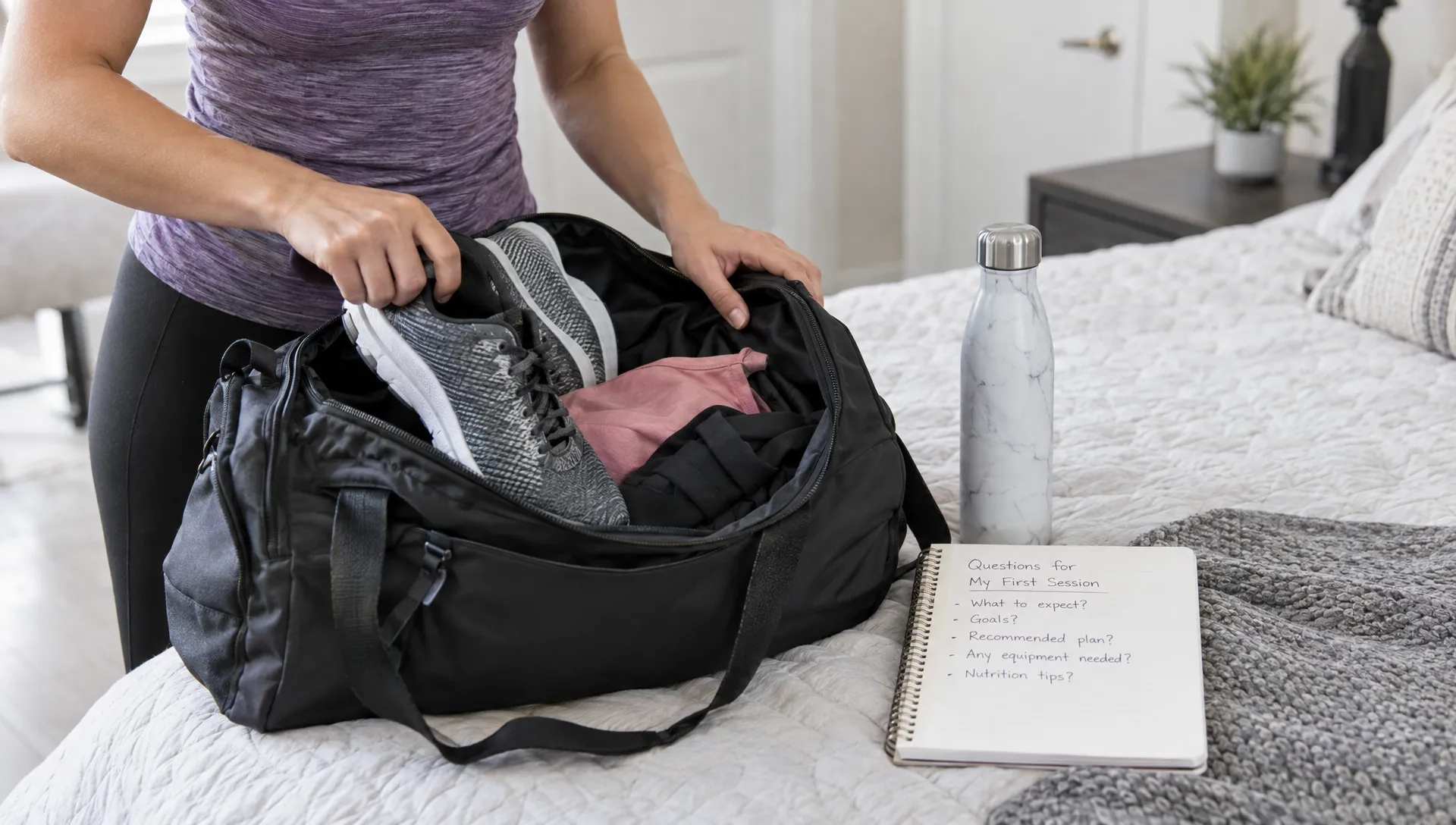
Leave with a manageable next step
Before leaving, make sure you understand what happens next and which decisions can wait. You should be able to explain the recommendation in ordinary language, including how it fits your goal and weekly availability.
A short written summary can help you avoid forgetting details once you return to work. Useful points to record include:
- The main priority you agreed to address first.
- Any activities or habits to work on between appointments.
- The recommended appointment frequency and expected cost.
- Whether follow-up testing is suggested and what would justify it.
- Any questions that need input from your healthcare provider.
You do not need to resolve every aspect of your health in one visit. One practical change and a clear follow-up plan are more actionable than several recommendations you cannot fit into your week.
If more than one service seems relevant, Custom Fit’s overview of how personalized training, nutrition, testing and recovery fit together can provide context. Use that broader picture to discuss priorities, not as a checklist of everything to purchase.
If you are arranging a visit for a patient or employee
Clinicians and benefits managers considering Custom Fit San Francisco should clarify the operational details before directing someone to book. Ask which services are appropriate, what preparation information is available and how results can be shared with the client’s consent. Do not assume a particular referral arrangement, insurance coverage or records integration exists.
For employee programs, distinguish individual health information from any organizational reporting. Confirm what information, if any, an employer would receive and how participation and payment would work.
If your practice is also updating its patient-facing referral pages, Digidatale’s website development and local SEO services address the online communication side of that project. Appointment preparation and clinical guidance should still come directly from the relevant provider.
Frequently asked questions
How much does a personal training session cost? Ask for Custom Fit’s current rate for the appointment type and duration you want. Confirm whether an introductory offer, package or membership changes the price, and check whether assessments or follow-up services cost extra. An hourly price alone does not tell you the total monthly commitment.
Are two personal training sessions a week enough? Two weekly sessions can be a workable starting schedule, depending on your goals, health and activity outside the studio. The American College of Sports Medicine’s position stand on resistance-training progression recommends two to three weekly resistance-training days for novices. Those are training days, not necessarily paid coaching appointments. Ask your coach what you should do between sessions.
Do I need testing before I start training? Do not assume every Custom Fit San Francisco appointment requires testing. Explain your goal and ask whether a particular assessment would change the initial plan. Exercise screening or medical clearance may be appropriate depending on your health history and the demands of the activity.
Do I need to get fitter before my first visit? No. Describe your current activity honestly so you can discuss an appropriate starting point. If you have an injury, medical condition or symptoms during exercise, disclose them before the appointment so suitability and any necessary medical guidance can be addressed.
Take one clear question to your first visit
Start with the outcome you want, the time you can reliably commit and the obstacle that has made progress difficult. Then confirm the right appointment, current cost and preparation instructions with the team. That is enough to make your first visit purposeful without trying to plan your entire fitness future in advance.