How to Choose a Recovery Gym That Supports Better Training
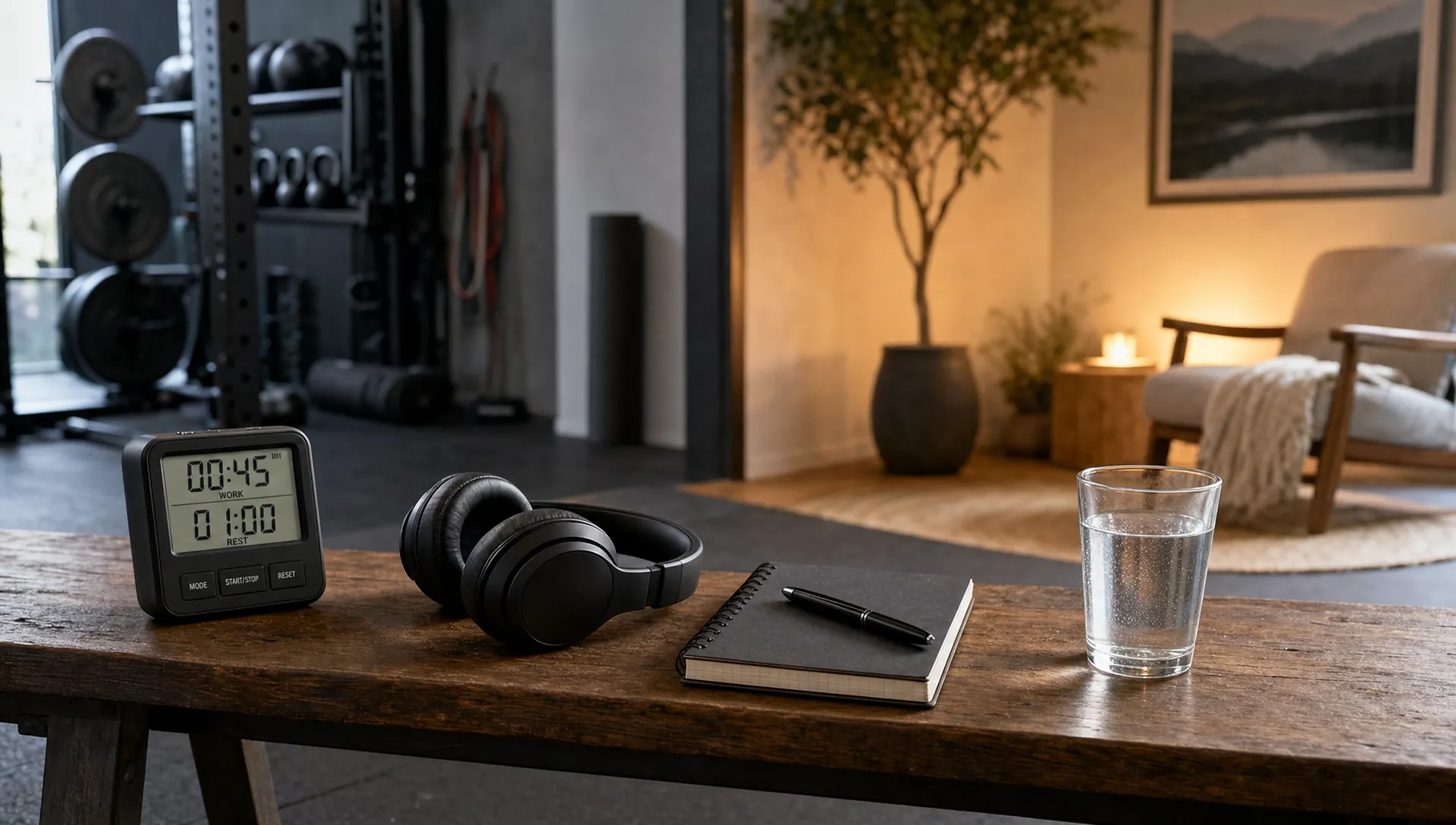


Choosing a recovery gym is really choosing how seriously you want your training to work. Hard workouts create the stimulus, but recovery is where your body adapts, repairs muscle tissue, restores energy, and becomes ready for the next session. If recovery is treated as an afterthought, even the best strength program can stall.
For busy San Francisco professionals, the right recovery gym also has to fit real life. A gym that looks impressive online but is hard to schedule, too crowded after work, or disconnected from your training plan will not support consistency. The goal is not to find the most luxurious amenity list. The goal is to find a place where coaching, testing, nutrition, and recovery services work together so you can train harder when it matters and back off when your body needs it.
What a recovery gym should actually help you do
A true recovery gym should help you understand what your body needs between training sessions. That includes better sleep habits, smarter nutrition, appropriate intensity, mobility work, restoration days, and objective markers that show whether your plan is working.
Recovery matters because adaptation is not automatic. Training stress has to be balanced with enough rest and resources for the body to rebuild. Research on athletes and active adults consistently connects sleep quality and duration with performance, reaction time, mood, and injury risk. One review in Sports Medicine highlights sleep as a major factor in athletic recovery and health, not just a general wellness habit.
That does not mean every recovery gym needs every possible modality. More tools do not always create better results. A strong gym should be able to explain which recovery strategies matter for your goal, which ones are optional, and which ones are not worth prioritizing right now. If you want a practical foundation, Custom Fit has also covered fitness recovery strategies that improve results faster, including how recovery supports adaptation and reduces burnout.
Start with the training plan, not the amenities
The biggest mistake people make when choosing a recovery gym is evaluating the recovery tools before evaluating the training program. Saunas, compression, stretching areas, and recovery lounges can all be helpful in the right context, but they cannot fix a poorly designed plan.
Ask how the gym manages training stress. A qualified coach should be able to explain how your program progresses, when intensity increases, when volume is reduced, and how recovery days are built into the week. If every session is designed to make you feel exhausted, the gym may be selling intensity rather than results.
A better approach is to look for a system that uses progressive overload, movement quality, and regular feedback. For example, a strength plan may include heavier lifting days, lower intensity technique days, conditioning sessions, and dedicated recovery work. A performance plan may use VO2 max testing to guide cardiovascular training zones instead of guessing from a smartwatch estimate.
This is especially important for people who are ambitious but time constrained. If you only have three or four focused training windows each week, each session should have a purpose. Recovery is not a consolation prize for missed workouts. It is part of the plan that lets your next workout be productive.
Look for assessments that guide recovery decisions
A high-quality recovery gym should have a way to measure where you are starting from and how your body is changing. Without assessment, recovery advice can become generic. You might be told to stretch more, eat more protein, or sleep better without knowing which lever will actually move your results.
Useful assessments may include movement screening, strength baselines, cardiovascular testing, body composition analysis, metabolic markers, and subjective readiness check-ins. The point is not to collect data for its own sake. The point is to use data to make better decisions.
DEXA scans are one example. DEXA can help track body composition, including fat mass, lean mass, and visceral fat. In a recovery context, that matters because the scale alone cannot show whether your training is supporting muscle gain, fat loss, or healthy maintenance. If someone is training hard but losing lean mass, their recovery, nutrition, or programming may need adjustment.
At Custom Fit, DEXA scans are performed by Registered Dietitians or Exercise Physiologists. That distinction matters. Clients are working with professionals who understand nutrition, exercise physiology, and body composition, not simply receiving an automated scan report. A scan becomes more valuable when someone can interpret the results, connect them to your training and nutrition, and help you decide what to do next.
VO2 max testing can also be useful when choosing a recovery gym, especially if endurance, longevity, or metabolic health are priorities. When cardio zones are based on measured physiology, training can become more precise. That often means fewer junk miles, better conditioning, and more appropriate recovery between higher intensity efforts.
Evaluate recovery services as part of a weekly routine
Recovery services should be practical enough to use consistently. A recovery area that sounds amazing but is never available when you train will not support better results. Before joining, ask how recovery sessions are scheduled, whether they are guided or self-directed, and how they are integrated with personal training or group programming.
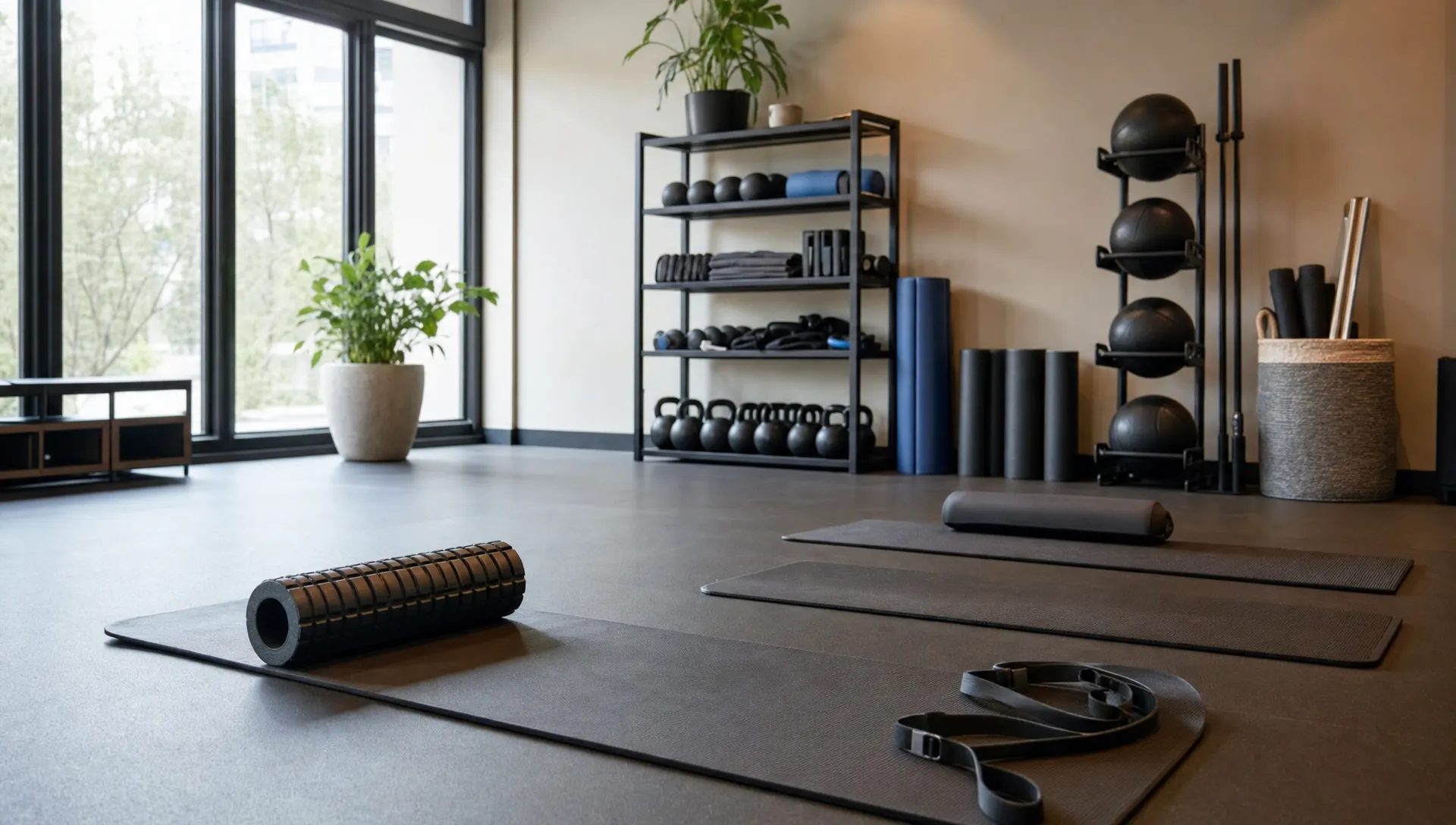
Some recovery work may be low-tech and highly effective. Mobility drills, breathing work, soft tissue techniques, low intensity cardio, and coach-guided cooldowns can all help depending on the person and the training load. Other modalities may be helpful too, but they should not be presented as magic.
For example, research on foam rolling suggests it may help reduce delayed-onset muscle soreness and improve short-term flexibility, but it is not a replacement for sleep, nutrition, or intelligent programming. A good recovery gym will communicate that clearly. It will help you understand when a tool is useful and when the basics matter more.
Also pay attention to how the staff talks about soreness. Soreness is not always a badge of honor. It can be normal after a new training stimulus, but constant soreness can signal poor load management, insufficient recovery, or nutrition gaps. A recovery-focused gym should be comfortable adjusting the plan, not just encouraging you to push through every signal.
Ask how nutrition is connected to recovery
Nutrition is one of the most important recovery tools, yet it is often separated from training. If your recovery gym does not address food, hydration, and energy intake, it may be missing a major part of the picture.
Protein supports muscle repair and adaptation. Carbohydrates help replenish glycogen after demanding training. Fluids and electrolytes matter for performance, especially if you sweat heavily or train before a long workday. The International Society of Sports Nutrition position stand on protein and exercise emphasizes that protein needs vary based on training status, goal, and total intake, which is why personalized guidance matters.
A recovery gym does not need to prescribe a complicated meal plan to be useful. It should, however, help you answer practical questions. Are you eating enough to support strength gains? Are you under-fueling because of a busy schedule? Are your recovery meals aligned with your training time? Are you prioritizing body composition in a way that preserves muscle mass?
This is where access to Registered Dietitians can be a major advantage. Nutrition coaching is not just about weight loss. It can support performance, energy, body composition, metabolic health, and better recovery from training. For a deeper look at the recovery side of food, Custom Fit explains why post-workout nutrition matters for muscle repair and energy replenishment.
Pay attention to the environment
A recovery gym should feel different from a chaotic, overcrowded workout floor. The environment should make it easier to downshift, breathe, focus, and move with intention. That does not mean it has to be silent or spa-like, but it should be clean, organized, and designed to reduce friction.
Look at the details. Is there enough space to warm up and cool down properly? Are recovery areas easy to access after training? Is the lighting comfortable? Is the music appropriate for both effort and restoration? Are coaches able to have focused conversations without competing with noise?
Lighting may seem secondary, but it can change how a space feels. Bright, harsh lighting can keep the nervous system alert, while thoughtful lighting can make a recovery area feel calmer and more intentional. If you are also building a home recovery corner, exploring curated designer lighting can be a useful reminder that the right environment supports the habits you want to repeat.
Cleanliness and privacy matter too. Recovery often involves stretching, breathwork, body composition conversations, or nutrition discussions. A premium recovery gym should offer an environment where clients can ask questions, review data, and work on mobility without feeling rushed or exposed.
Make sure the gym fits your San Francisco routine
The best recovery gym is the one you can actually use. In San Francisco, that often comes down to commute patterns, appointment windows, and neighborhood flow. If your day moves between Financial District meetings, Pacific Heights errands, and evening commitments, a gym that requires too much extra travel may become difficult to maintain.
Before joining, map out your real week. Can you train before work without feeling rushed? Can you get a recovery session between meetings? Are appointment times available when you need them? Is the gym comfortable enough that you will stay for mobility or nutrition support after a workout, instead of racing out immediately?
Convenience should not be confused with compromise. You still want expertise, assessment quality, and a strong coaching environment. But when two gyms look similar on paper, the one that fits your schedule is more likely to produce consistent results.
For high-performing professionals, consistency is often the limiting factor. A recovery gym that respects your time, helps you prioritize the right actions, and reduces decision fatigue can be far more valuable than one with a longer amenity list.
Questions to ask before you join a recovery gym
Use the tour or consultation to understand how the gym thinks. The answers will tell you whether recovery is truly integrated or just added as a marketing feature.
- How do you decide how often someone should train, recover, and retest?
- Do coaches adjust workouts based on sleep, soreness, stress, or readiness?
- What assessments do you use before creating a training plan?
- Who interprets DEXA, VO2 max, or body composition results?
- Is nutrition coaching available, and who provides it?
- Are recovery services guided by professionals or self-directed only?
- How do you help clients prevent overtraining and burnout?
- What does progress look like after 30, 60, and 90 days?
Listen for specificity. A strong team should be able to explain the why behind its recommendations. If every answer is vague, or if the gym promises fast results without discussing recovery, that is a warning sign.
Red flags to watch for
Be cautious if a recovery gym treats every client the same. Recovery needs vary based on age, training history, sleep, stress, injury background, nutrition, and goals. A marathon runner, a strength-focused executive, and someone returning to exercise after years away should not receive the same plan.
Another red flag is overemphasis on passive tools. Recovery services can be valuable, but they should support an active strategy. Sleep, nutrition, progressive training, movement quality, and stress management are still the foundation. If a gym makes recovery sound like something that happens only when you use a device, it may not be taking a complete approach.
Also be cautious if the gym cannot explain its testing. Data can be powerful, but only when interpreted correctly. If a scan, score, or test result is handed to you without context, you may leave with more confusion than clarity.
What a strong recovery gym experience should feel like
A well-run recovery gym should make you feel more informed, not overwhelmed. You should understand what you are training, why you are recovering a certain way, and how each piece connects to your goals.
Your program should evolve. As your strength improves, your body composition changes, or your cardiovascular fitness increases, the plan should adjust. Recovery recommendations should also change with your workload, travel schedule, stress, and training phase.
That is the benefit of a data-driven wellness model. Testing creates a baseline. Coaching turns that baseline into a plan. Nutrition supports the plan. Recovery services help you repeat the plan without breaking down. Over time, that integration is what separates a true recovery gym from a regular gym with a few recovery amenities.
Custom Fit brings that integrated model together through personal training, nutrition coaching, recovery programs, DEXA scans, VO2 max testing, longevity testing, gym memberships, and group classes. If you are comparing options in San Francisco, look for the same core principle: your recovery should directly support your training, not sit separate from it.
Frequently Asked Questions
What is a recovery gym? A recovery gym is a fitness facility that supports training with services and guidance designed to improve adaptation, reduce burnout, and help the body restore between workouts. The best options combine coaching, testing, nutrition, and recovery strategies rather than relying only on passive amenities.
How often should I use recovery services? It depends on your training volume, stress, sleep, and goals. Some people benefit from brief recovery work after most sessions, while others need one or two dedicated recovery sessions per week. A qualified coach can help match frequency to your program.
Is soreness a sign of a good workout? Not always. Some soreness can happen after a new or challenging stimulus, but constant soreness may suggest that your training load, sleep, nutrition, or recovery plan needs adjustment.
Should a recovery gym offer testing? Testing is not required, but it can make training and recovery more precise. DEXA, VO2 max, movement assessments, and other measures can help identify what is working and what needs to change.
Why does professional interpretation matter for DEXA scans? DEXA results are more useful when interpreted by someone who understands nutrition, exercise physiology, and body composition. At Custom Fit, DEXA scans are performed by Registered Dietitians or Exercise Physiologists, so clients receive professional context rather than only an automated report.
Build recovery into the way you train
If you are ready to train with more precision, choose a recovery gym that connects effort with adaptation. At Custom Fit, personal training, nutrition coaching, recovery programs, DEXA scans, VO2 max testing, and longevity testing are designed to work together so your plan is based on your body, your goals, and your schedule.
Better recovery is not about doing less. It is about making the work count more.