How to Choose a Fitness Studio in San Francisco
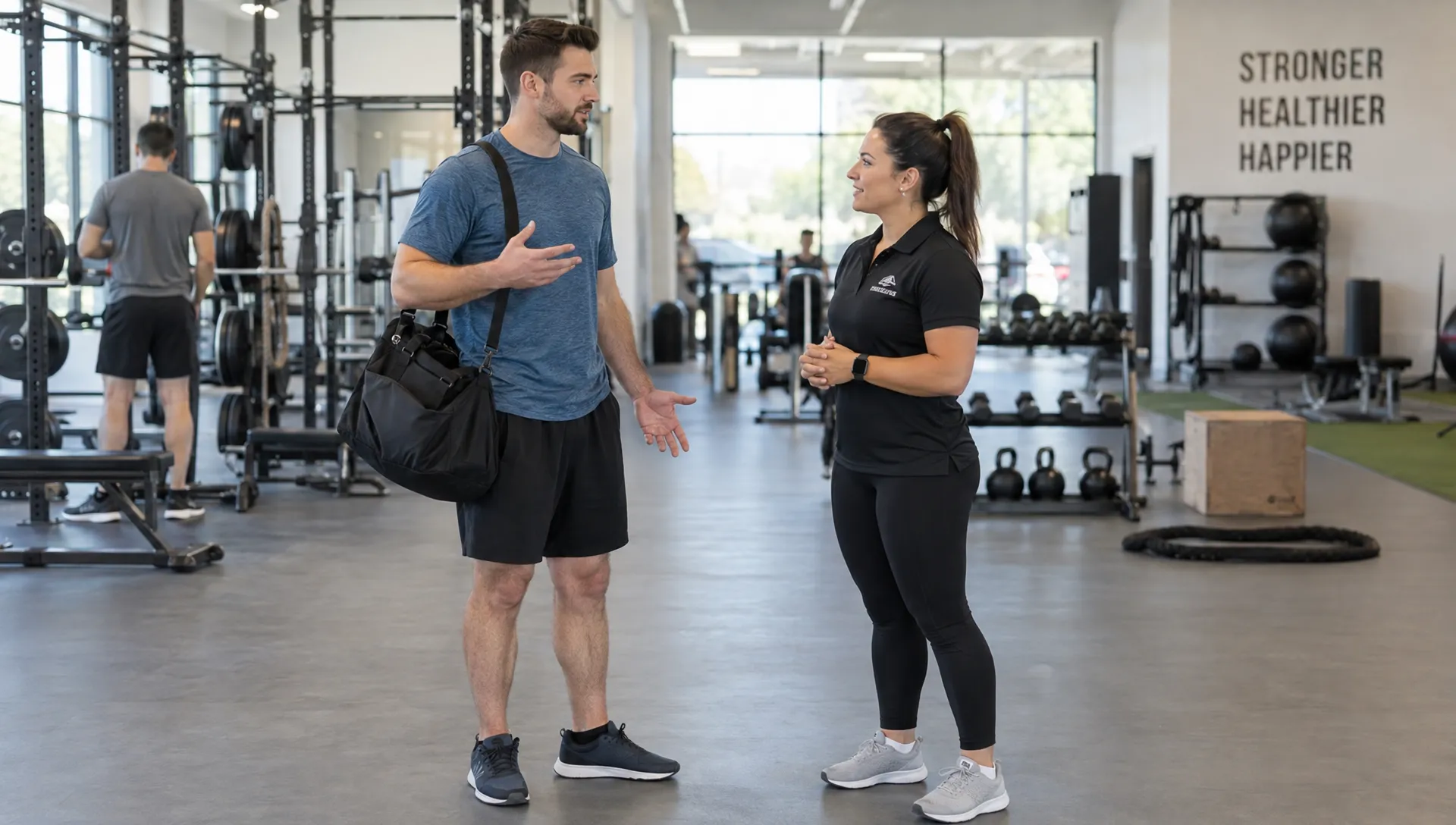


A search for “fitness studio san francisco” can produce plenty of polished spaces, impressive equipment and promises of personalized attention. The harder part is figuring out what will happen after you join. Who will coach you? How will they adjust your program when work gets busy? What will they do with your assessment results?
The most useful way to choose is to evaluate the service, not just the setting. Use the consultation, trial session and membership agreement to check whether a studio can turn your goals into a realistic training routine.
Start With the Service You Need, Not the Amenities
Before booking visits, write a short brief for your prospective coach: what you want to improve, what currently gets in the way and how much time you can reliably commit.
“I want to get stronger, but I travel twice a month and have never followed a structured program” gives a coach more useful information than “I want to get fit.” It also creates a practical test: can the studio explain how it would accommodate those constraints?
Decide whether you primarily need individual instruction, partner training or the energy of group classes. These formats offer different levels of attention. A group class can provide excellent instruction, but it should not be presented as equivalent to a program built around your individual training history.
Choose the amount of guidance you need before choosing the space you like. Otherwise, attractive amenities can distract from a poor match in coaching or scheduling.
Narrow Your “fitness studio san francisco” Shortlist Before Visiting
Start with a few studios whose schedules and service formats appear workable. Ask whether they have availability at the times you would actually train, not simply whether they open early or close late.
San Francisco commute patterns make this worth checking carefully. If you work in the Financial District, compare Custom Fit’s San Francisco studio and other candidates against your actual door-to-door trip. A location elsewhere in the city is not automatically convenient between meetings.
Check transit connections, parking arrangements if you drive and the return trip after your session. Test the route at your intended training time when possible. A convenient weekend visit may tell you little about a weekday commute involving BART or Muni.
Also ask what happens when your preferred coach is unavailable. A studio should be able to explain whether you can work with someone else and how that person would learn about your program.
Use the Consultation to Audit the Coaching
Ask What the First Month Would Involve
A consultation should produce more than encouragement. Ask the coach to describe the first few weeks: what they would assess, what you would practice and how they would decide whether to progress an exercise.
When evaluating a fitness studio in San Francisco, listen for specific reasoning rather than a predetermined package. A useful answer connects your training background, available time and current limitations to the proposed plan.
The American College of Sports Medicine’s position stand on progression in resistance training describes adjusting training to an individual’s goals, capacity and training status. In practice, your coach should be able to explain why an exercise or workload is appropriate now and what would justify changing it later.
Verify Who Will Actually Work With You
Ask about the credentials and experience of the person who would deliver your sessions, not only the studio founder or the coach conducting the sales consultation. Relevant certification, current CPR/AED training and experience with clients who have similar needs are useful things to verify.
Good coaches also know their professional boundaries. They can adapt exercise around limitations, but they should not diagnose an injury or promise to treat a medical condition. If you have symptoms, recent surgery or medical restrictions, ask how the studio handles guidance from your healthcare team.
A strong answer acknowledges what the coach can do, what requires another professional and how communication would work with your permission.
Treat the Trial Session as Evidence, Not Entertainment
A trial or introductory session is an opportunity to observe coaching behavior. It does not need to be your hardest workout of the year.
At a fitness studio in San Francisco, a demanding session can feel persuasive without demonstrating whether the instruction is appropriate. Pay attention to whether the coach gathers relevant information, observes your movement and changes the session based on what they see.
Use these four checks during the visit:
- Instruction: Can you understand the exercise setup, breathing and intended effort without guessing?
- Observation: Does the coach watch your repetitions and provide useful feedback rather than simply count them?
- Adaptation: If an exercise feels uncomfortable or confusing, can they offer a suitable alternative?
- Professionalism: Do they respect your questions, explain physical contact before using it and avoid pressure to continue through pain?
Afterward, ask the coach what they learned and what they would do next. Their explanation should relate to your session, not sound like a script that could apply to anyone.
Also notice the environment at a busy time. Equipment availability, noise and the amount of space between sessions can affect whether you receive the attention you are paying for.
Require a Clear Link Between Testing and Your Plan
Testing is valuable when someone can explain how the results influence your training or nutrition. It is less useful when it produces a report that no one revisits.
If a fitness studio in San Francisco offers assessments, ask who performs them, who interprets them and what decisions the results can reasonably support. You should also understand the limitations and why a particular test is appropriate for your goals.
For example, DEXA can help assess body composition, including estimates of body fat and lean tissue. Custom Fit DEXA scans are performed by Registered Dietitians or Exercise Physiologists. Clients work with professionals who understand nutrition, exercise physiology and body composition, rather than simply receiving an automated scan report. Ask how that professional interpretation would inform your next steps and when another assessment would be useful.
VO2 max testing measures aerobic fitness. A meta-analysis published in JAMA found an association between higher cardiorespiratory fitness and lower mortality risk. That supports taking aerobic fitness seriously, but it does not mean purchasing a test itself improves health.
The useful question is: “What would you change based on my result?” Also ask how the studio protects assessment records and obtains permission before sharing information with an employer or healthcare provider.
Check Whether Nutrition and Recovery Support the Training
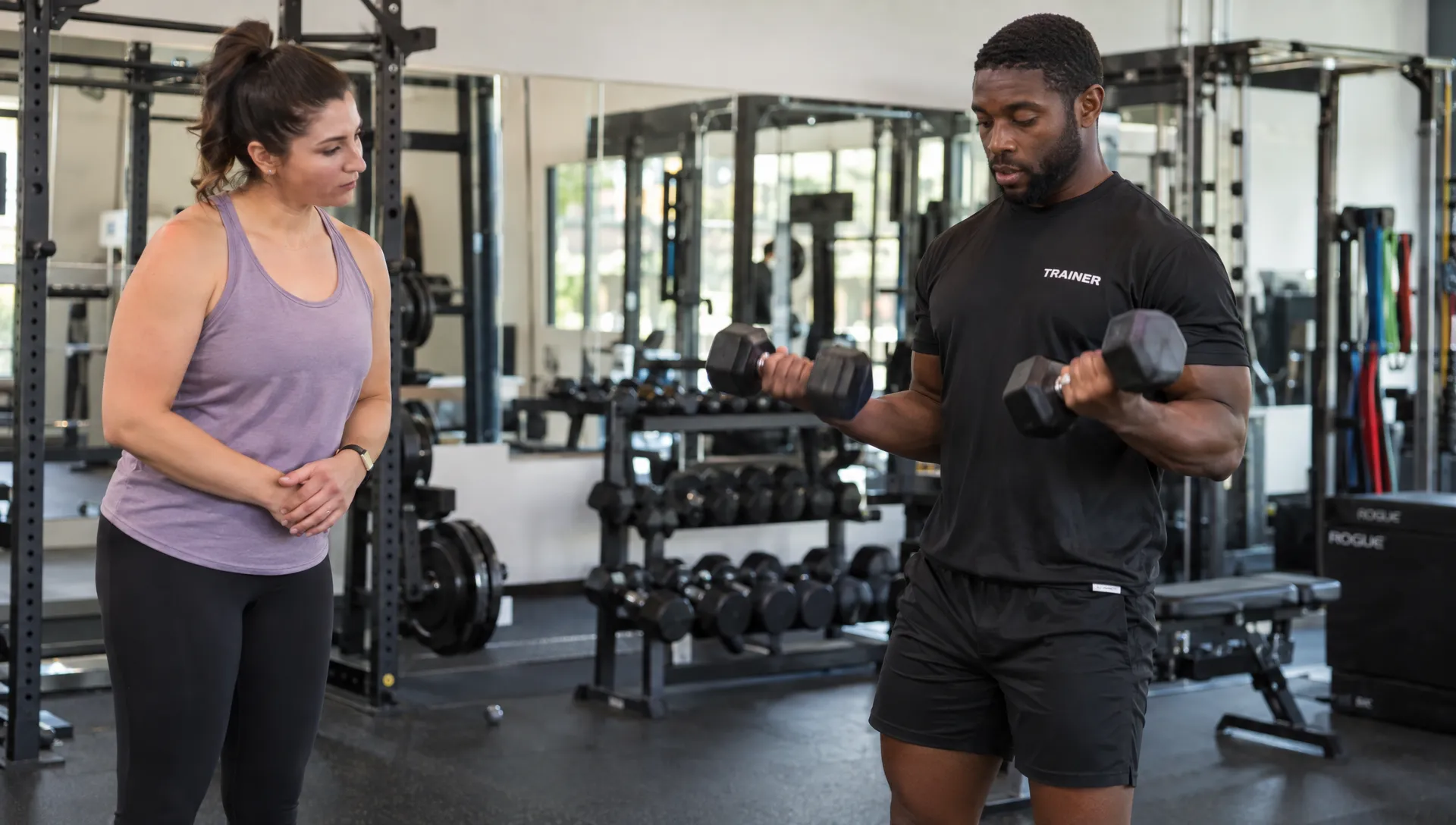
Services under one roof can be convenient, but availability alone does not prove coordination. Ask who handles nutrition questions and how their recommendations would connect with your exercise program.
Custom Fit offers nutrition coaching and access to Registered Dietitians. When considering this support, clarify whether you need help with everyday eating habits, sports nutrition or a concern that requires individualized medical nutrition care. The professional providing that service matters.
A fitness studio in San Francisco should also explain recovery services without treating them as a substitute for manageable training, sufficient sleep or adequate nutrition. Ask what a recovery service is intended to help with, whether it is appropriate for you and how you would assess its usefulness.
For a closer look at that distinction, Custom Fit’s guide to choosing recovery services that support better training offers a training-first framework.
Read the Agreement Before Making a Large Commitment
Request the written terms before purchasing a substantial package. Confirm session expiration dates, cancellation deadlines, recurring billing, refund policies and what happens during travel or an extended absence. Ask whether a package guarantees access to a particular coach or only to the studio’s available staff.
Also distinguish included services from optional purchases. A consultation that discusses training, testing and recovery does not necessarily mean all three are covered by one payment. Custom Fit’s guide to comparing gym membership costs and terms can help you organize those questions.
Choosing a fitness studio in San Francisco should not require accepting unclear obligations. Get important assurances in writing, especially those that affect prepaid sessions or automatic renewals.
For a substantial dispute involving prepaid fees or collection notices, seek legal advice appropriate to the jurisdiction. Clair Gjertsen Weathers PLLC, for example, lists consumer debt defense and civil litigation among its New York and Connecticut practice areas. A California membership dispute generally calls for California-licensed counsel.
Compare Studios With an Evidence-Based Scorecard
After each visit, record what you observed while the details are fresh. Use the same criteria for every candidate so an enthusiastic sales conversation does not outweigh a practical problem.
| Criterion | Evidence to look for | Reason to pause |
|---|---|---|
| Coaching | Clear feedback and appropriate exercise adjustments | The same session appears to be given to everyone |
| Scheduling | Suitable appointments are currently available | Your workable times are consistently unavailable |
| Programming | The coach explains an initial plan and progression | Intensity is emphasized without a clear rationale |
| Testing | A qualified professional connects results to decisions | A report is provided without meaningful interpretation |
| Terms | Fees, expiration dates and cancellation rules are written clearly | Important promises are only verbal |
You do not need a complicated numerical rating. Mark each item as confirmed, uncertain or unsuitable, then follow up on uncertainties before joining.
The right fitness studio in San Francisco is not necessarily the one with the longest service menu. It is the one that demonstrates competent coaching, workable logistics and a plan you understand. Treat safety concerns or unclear financial terms as reasons to pause, even when everything else looks appealing.
Frequently Asked Questions
Should I try a studio before buying a package? If an introductory session or consultation is available, use it to evaluate instruction and communication. Confirm its cost and what it includes beforehand. Avoid judging the studio solely by how tired you feel afterward.
How many training sessions should I commit to initially? Choose a schedule you can realistically maintain, then discuss it with the coach. The appropriate frequency depends on your goals, experience, recovery and any exercise you do independently. A smaller sustainable commitment is more useful than an ambitious schedule you repeatedly miss.
Do I need advanced testing before starting? Not necessarily. Your history, goals and relevant health considerations should guide the decision. Ask what question a test would answer and whether that answer would change your plan before purchasing it.
Ask Custom Fit About Your First Month
Custom Fit offers personal training, partner training, nutrition coaching, longevity testing, recovery programs, gym memberships and group classes.
If you are choosing a fitness studio in San Francisco, bring your goals, schedule and questions to the conversation. Ask which services fit your needs, who would guide you and what the first month could involve. Confirm current availability, pricing and membership terms, then decide whether the proposed approach matches the evidence you gathered.