How to Choose a Body Fat Scan Provider in San Francisco
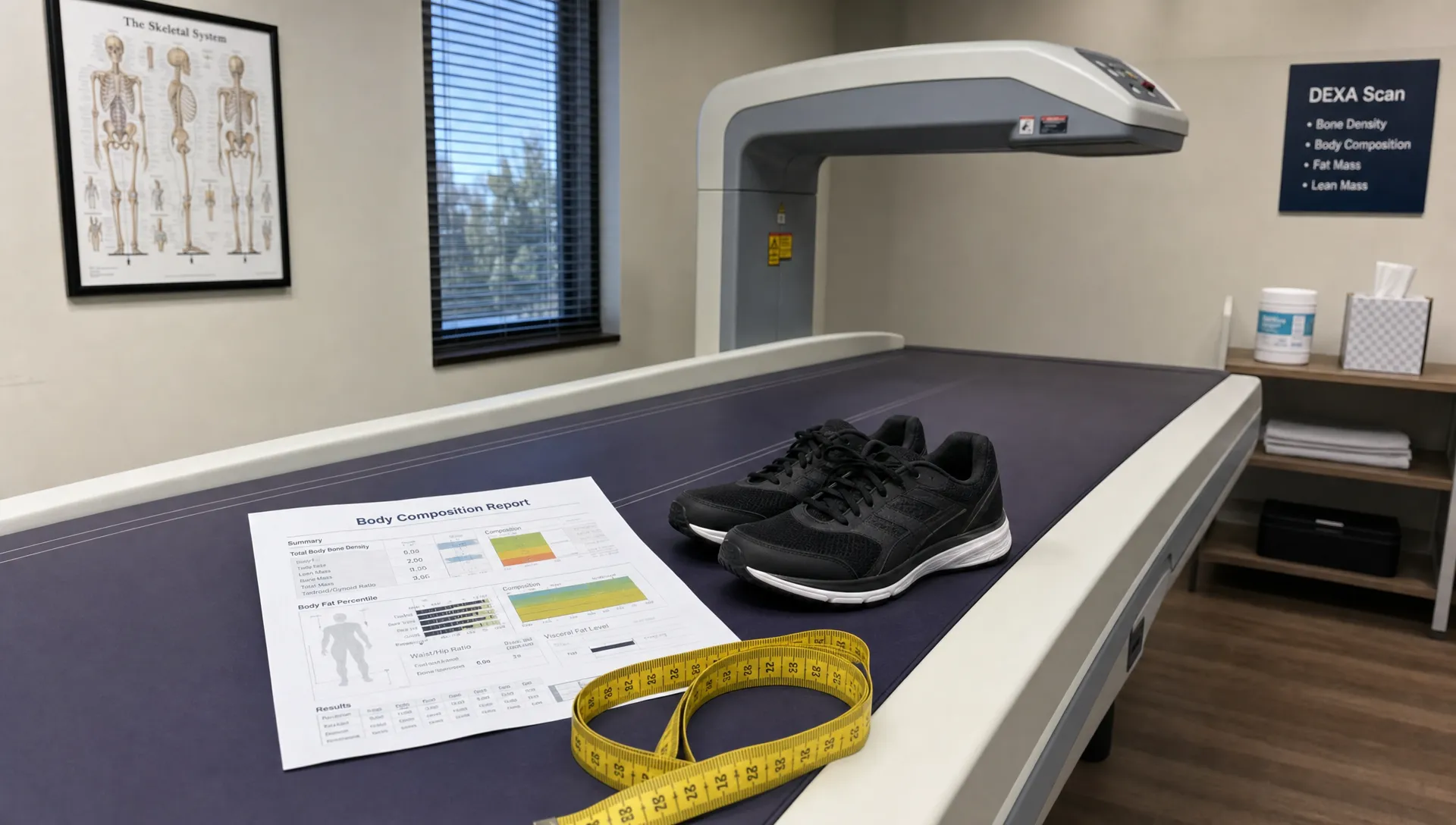


Searching for a body fat scan near me can bring up everything from gym scales to medical imaging centers. In San Francisco, that choice matters. Two providers may both advertise body composition testing, yet deliver very different levels of accuracy, explanation and follow-up.
A good body fat scan provider should do more than hand you a percentage. The right provider helps you understand how much of your weight is fat versus lean mass, where fat is distributed, what visceral fat may mean for your health and how the data should influence your training or nutrition plan. For busy professionals in the Financial District, athletes training after work in SoMa, concierge medicine practices and longevity clinics, the value is not just the scan. It is the quality of the interpretation.
This guide explains how to compare body fat scan providers in San Francisco so you can choose a testing experience that is accurate, professional and useful.
What a body fat scan should help you decide
A body fat scan is most useful when it answers a real decision. Are you losing fat without sacrificing lean mass? Is your strength program adding lean tissue evenly? Is your visceral fat trending down? Are your nutrition changes working beyond what the scale shows?
Scale weight alone cannot answer those questions. BMI has similar limitations because it does not distinguish fat mass from lean mass or show where fat is stored. That is one reason body composition testing has become common in fitness, sports performance and longevity-focused care.
The best provider will help you connect scan data to your goals. For example, a fat loss client may need to preserve lean mass while reducing total fat. A runner may want to monitor bone health and regional lean mass. A physician or longevity clinic may want a repeatable baseline that complements bloodwork, VO2 max testing or metabolic testing.
Know the main body fat scan options before you book
Not every body composition method measures the same thing. Some tools are useful for quick trend tracking, while others provide more detailed data. Before choosing a provider, ask which method they use and whether it fits your goal.
| Method | What it can tell you | Best for | What to watch for |
|---|---|---|---|
| DEXA or DXA scan | Total body fat, lean mass, regional distribution, bone mineral content and often visceral fat estimates | Detailed baseline and progress tracking | Requires standardized positioning and professional interpretation |
| Bioelectrical impedance analysis | Estimated body fat and lean mass based on electrical current | Quick check-ins and broad trends | Highly sensitive to hydration, food intake and recent exercise |
| Skinfold calipers | Estimated subcutaneous fat from measured sites | Low-cost field testing with a skilled tester | Accuracy depends heavily on technician skill and formula selection |
| Air displacement plethysmography | Estimated body density and body fat percentage | Research or performance settings where available | Less detail on regional distribution than DEXA |
DEXA is often treated as a practical gold standard for wellness and fitness tracking because it provides a detailed picture of body composition in one scan. It is not magic, and it still depends on protocol, technician quality and consistent retesting conditions. A methodology review on DXA body composition assessment in athletes and active people highlights the importance of standardized procedures, especially when people use scans to track changes over time.
If you already know you want this testing method, Custom Fit has a separate local guide on where to get a precise DEXA scan near you in San Francisco. This article focuses on how to evaluate the provider behind the machine.
Choose a provider who explains results, not just reports them
The most important difference between body fat scan providers is not always the scanner. It is the person helping you interpret the data.
At Custom Fit, DEXA scans are performed by Registered Dietitians or Exercise Physiologists. That matters because body composition data sits at the intersection of nutrition, exercise physiology, metabolism and behavior change. Clients are not simply receiving an automated scan report. They are working with professionals who understand how body fat, lean mass and visceral fat relate to training, nutrition and long-term health goals.
When you compare providers, ask who performs the scan and who reviews the results with you. A qualified provider should be able to explain what each metric means, what changed since your last scan and what actions are realistic. They should also know the difference between lean mass and muscle mass. DEXA estimates lean soft tissue, which is a useful proxy in fitness settings, but it is not the same as a direct muscle biopsy or imaging study.
Provider selection should feel like the due diligence you would use for any health service. Whether someone is evaluating a body composition lab or reviewing the team and services of a trusted local dental clinic before booking preventive care, the useful questions are similar: who will work with me, what training do they have, how are results explained and what happens after the visit?
Look for repeatable protocols
A body fat scan is only as useful as its repeatability. If your first scan is done after lunch and a hard workout, then your next scan is done fasted and rested, some changes may reflect testing conditions rather than true body composition change.
Ask the provider how they standardize appointments. Good protocols usually address hydration, recent exercise, food timing, clothing, metal objects and positioning on the scanner. You do not need a medical degree to follow the protocol, but the provider should be able to explain it clearly.
For progress tracking, consistency matters more than perfect conditions. Try to scan at a similar time of day, follow the same pre-scan routine and use the same provider when possible. This is especially important for athletes, people in active fat loss phases and clients using DEXA as part of a longevity plan.
Make sure visceral fat is discussed carefully
Body fat percentage gets most of the attention, but visceral fat deserves its own conversation. Visceral fat is stored deeper in the abdomen around internal organs, and it is more closely associated with cardiometabolic risk than subcutaneous fat. A review of visceral adiposity measurement methods explains why measuring abdominal fat distribution can add important context beyond total body fat.
That does not mean a body fat scan should be treated as a diagnosis. Wellness DEXA scans can provide useful estimates and trend data, but medical concerns should be discussed with a physician. A responsible provider will explain visceral fat in context, avoid scare tactics and help you identify sensible next steps, such as nutrition changes, resistance training, aerobic conditioning, sleep improvement or referral to a medical clinician when appropriate.
Ask these questions before choosing a body fat scan provider
Before you book, use a short screening checklist. A high-quality provider should be able to answer these questions without making you feel rushed.
- What body composition method do you use, and why is it appropriate for my goal?
- Who performs the scan, and what are their credentials?
- Will someone review my results with me, or will I only receive an automated report?
- What pre-scan instructions should I follow for the most consistent result?
- Does the report include regional lean mass, fat mass and visceral fat estimates?
- How should I use the results to adjust training or nutrition?
- How often do you recommend retesting for my goal?
- How is my health information stored and shared?
- If I am referred by a physician, dietitian or longevity clinic, can results be communicated appropriately?
The answers will tell you a lot. A provider who cannot explain their method or staffing model may still have a machine, but that does not mean they offer a complete body composition service.
Understand what should happen after the scan
The post-scan consultation is where the data becomes useful. A strong provider should translate your report into a few clear takeaways, not overwhelm you with numbers.
| Scan metric | Why it matters | How a qualified provider may use it |
|---|---|---|
| Body fat percentage | Shows the proportion of body mass from fat | Helps track fat loss or gain more accurately than scale weight alone |
| Total fat mass | Shows the absolute amount of fat tissue | Useful when weight changes are small but composition changes are meaningful |
| Lean mass | Reflects non-fat tissue, including muscle, organs and water | Helps monitor whether training and nutrition support strength and performance |
| Regional lean mass | Shows side-to-side and upper-to-lower body patterns | Can guide strength programming and injury risk conversations |
| Visceral fat estimate | Adds context about abdominal fat distribution | Can support lifestyle planning and medical follow-up when needed |
| Bone mineral content | Gives additional context on skeletal health | Useful for athletes, aging adults and people with relevant medical history |
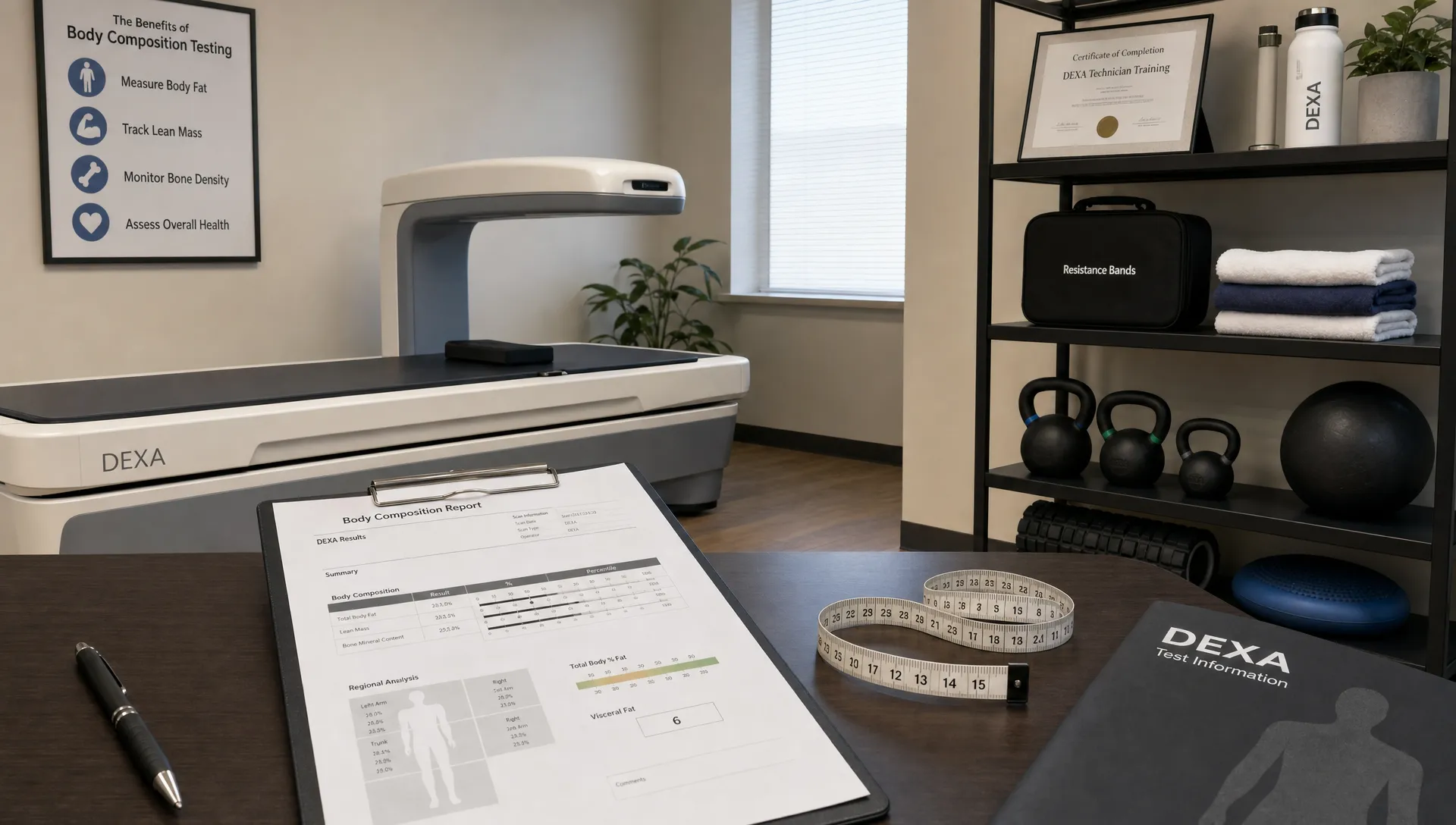
A provider should also help you avoid overreacting to small changes. Body composition shifts take time. For many people, scanning every 8 to 12 weeks is more useful than scanning constantly, although the right interval depends on the goal, the program and the reason for testing.
Compare price against the value of interpretation
Cost matters, especially if you plan to retest. In San Francisco, self-pay DEXA pricing can vary based on the facility, the level of consultation and whether the scan is bundled with other services. If you want a deeper local breakdown, Custom Fit explains typical pricing in its guide to what a DEXA scan costs in San Francisco.
The lowest price is not always the best value. A cheap scan with no explanation may leave you guessing. A more professional appointment can save time by helping you understand what to change, what not to worry about and when to retest.
For high-income professionals, the bigger cost is often wasted effort. If you are investing in personal training, nutrition coaching, recovery services or longevity testing, accurate body composition data can help you see whether the plan is working. For private practice doctors, concierge medicine facilities and employee benefits managers, the provider's professionalism also affects the client or patient experience.
Consider location, scheduling and environment
Convenience still matters. If a scan is hard to schedule or inconvenient to reach, you are less likely to use it consistently. San Francisco clients often fit testing around demanding workdays, training sessions and family schedules. Someone working near the Financial District may prioritize a location they can reach between meetings, while someone who trains near SoMa may want testing that fits before or after a workout day.
That said, do not choose based on proximity alone. A body fat scan is a health and performance tool, not a vending machine. The right environment should feel professional, private and organized. Staff should explain the process, answer questions and respect confidentiality.
Red flags when comparing providers
Some warning signs are easy to spot. Be cautious if a provider makes extreme promises, uses body fat percentage as a judgment score or sells a one-size-fits-all plan based only on the scan.
Other red flags include unclear credentials, no pre-scan instructions, no explanation of visceral fat, no privacy policy, inconsistent testing protocols and pressure to retest too often. Also be wary of providers who imply that DEXA replaces medical care. A body composition scan can be highly useful, but it should complement appropriate medical guidance, not replace it.
Extra considerations for clinics, physicians and employers
For B2B referrals, the provider's operational standards matter as much as the individual appointment. Private practice doctors, longevity clinics, concierge medicine facilities and employee benefits managers should ask how the testing provider handles scheduling, result summaries and professional communication.
A strong partner should have qualified staff, consistent protocols and a clear understanding of scope. For example, a DEXA body composition scan can support nutrition coaching, strength programming and longevity planning, but it should not be presented as a stand-alone medical diagnosis. If your organization is building a broader assessment experience, Custom Fit's Longevity Blueprint in San Francisco combines DEXA with other health and performance testing elements.
Frequently Asked Questions
Is DEXA the best body fat scan option in San Francisco? DEXA is one of the most useful options for people who want detailed body composition data, including fat mass, lean mass, regional distribution and visceral fat estimates. The provider's protocol and interpretation quality still matter.
How often should I get a body fat scan? Many people benefit from retesting every 8 to 12 weeks when actively changing training or nutrition. More frequent testing may not show meaningful change and can lead to overinterpreting normal variation.
Do I need a doctor referral for a wellness DEXA scan? Many body composition DEXA scans are offered as self-pay wellness services, though policies vary by provider. If you have medical concerns, are pregnant or have a relevant health condition, ask your physician before booking.
What should I do before a body fat scan? Follow the provider's instructions. In general, aim for consistent hydration, avoid hard exercise right before the scan and try to schedule repeat scans under similar conditions.
Why does it matter who performs my DEXA scan? Body composition data is only useful if it is interpreted correctly. At Custom Fit, DEXA scans are performed by Registered Dietitians or Exercise Physiologists, so clients work with professionals who understand nutrition, exercise physiology and body composition rather than simply receiving an automated report.
Choose the provider, not just the machine
A body fat scan can be a smart investment if the provider offers accurate testing, clear protocols and professional interpretation. When comparing San Francisco options, look beyond the words "body fat percentage" and ask who will guide you through the results.
If you want a data-driven scan experience connected to training, nutrition and longevity goals, Custom Fit offers DEXA testing performed by Registered Dietitians or Exercise Physiologists. That professional context is what turns a scan into a plan you can actually use.