How Often Should You Get DEXA Scans for Tracking?
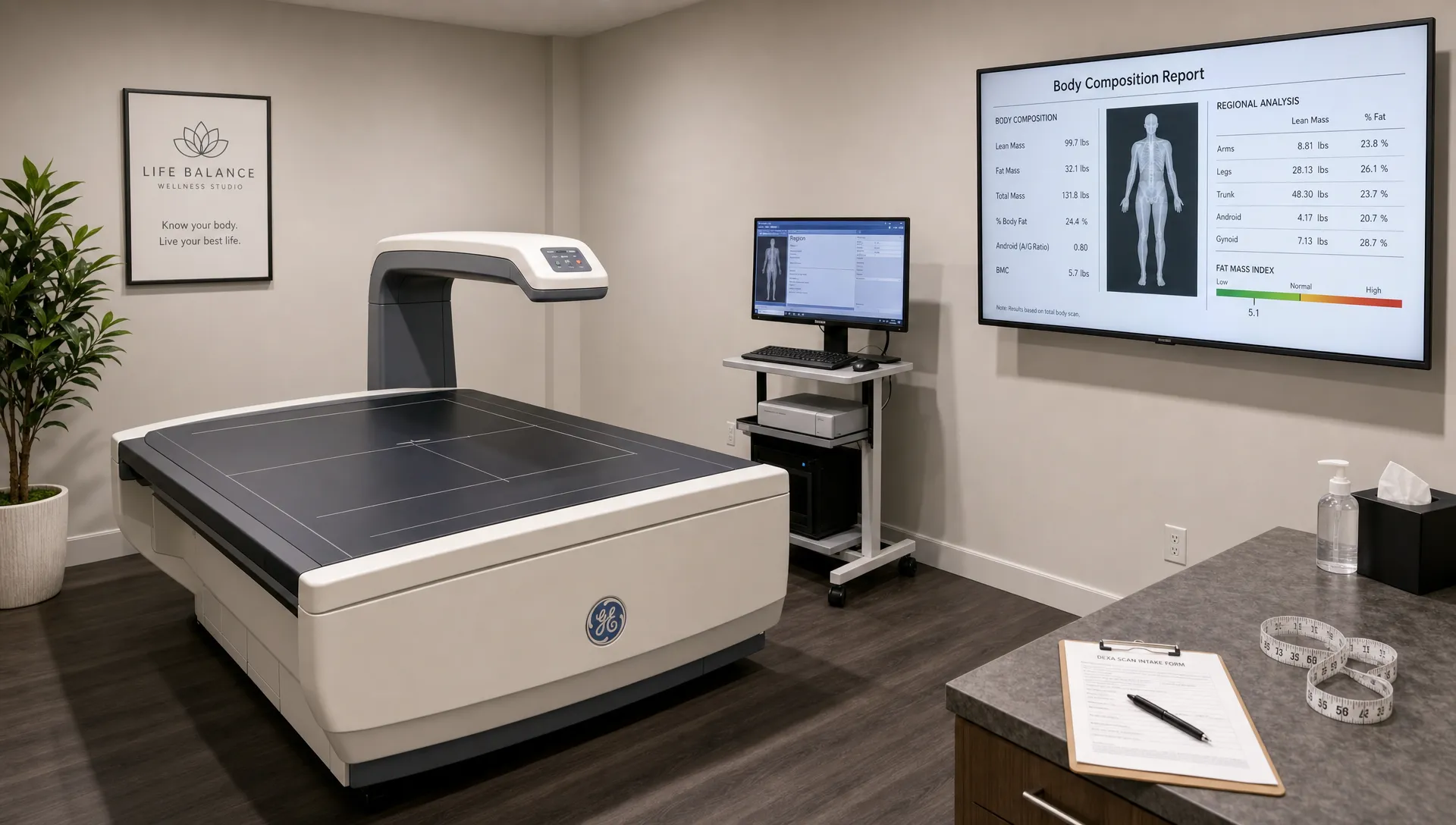


A DEXA scan can be one of the most useful checkpoints in a fitness, longevity, or medical wellness plan. It tells you what the scale cannot, including how much fat mass, lean mass, visceral fat, and bone mineral density you have, plus how those numbers are distributed across your body.
But the value of DEXA scans depends on timing. Scan too often and you may react to normal measurement variation instead of meaningful change. Wait too long and you may miss the chance to adjust your training, nutrition, or recovery strategy.
For most healthy adults tracking body composition, the practical answer is this: get a baseline DEXA scan, then retest every 8 to 16 weeks during an active training or nutrition phase, or every 6 to 12 months for maintenance and longevity tracking. Bone density monitoring is different and should follow medical guidance, often at longer intervals.
The Short Answer: How Often Should You Get DEXA Scans?
The best DEXA scan frequency depends on what you are trying to measure.
For fat loss, muscle gain, or body recomposition, retesting every 12 weeks is usually the sweet spot. That gives your body enough time to produce measurable changes while keeping the data frequent enough to guide decisions.
A general framework looks like this:
- Baseline scan: Before starting a new training, nutrition, weight loss, or longevity program.
- Active fat loss or body recomposition: Every 8 to 12 weeks.
- Muscle gain or athletic performance tracking: Every 12 to 16 weeks.
- Maintenance or executive wellness tracking: Every 6 to 12 months.
- Bone density or osteoporosis monitoring: Usually every 1 to 2 years, or as directed by a physician.
- Post-injury, medical weight loss, or major lifestyle change: Every 3 to 6 months, depending on the plan and clinical context.
If you are combining DEXA with other biomarkers, such as VO2 max or bloodwork, it can help to coordinate your schedule so the data tells one cohesive story. Custom Fit has a separate guide on how often to retest DEXA, VO2 max, and bloodwork together if you are building a more complete performance or longevity testing cadence.
Why Monthly DEXA Scans Usually Aren’t Necessary
DEXA is precise, but it is not magic. Like any measurement tool, it has a margin of error. If you scan too frequently, small fluctuations in hydration, recent exercise, glycogen storage, food intake, and normal biological variation can look more important than they really are.
This is especially true for lean mass. A hard training block, a salty dinner, extra carbohydrate intake, or inflammation from soreness can influence water stored in muscle tissue. That does not mean you gained several pounds of contractile muscle overnight. It may simply mean the conditions were different.
The International Society for Clinical Densitometry emphasizes the importance of precision and least significant change when interpreting repeat DEXA measurements, particularly for bone mineral density. In plain English, a change only matters when it is large enough to be confidently distinguished from measurement noise. The same concept is useful for body composition tracking, even when your goal is fitness rather than clinical diagnosis.
Radiation exposure from DEXA is also low, but not zero. RadiologyInfo describes DEXA as a low-dose X-ray exam, typically far lower in radiation than many common diagnostic imaging tests. Still, the goal is not to scan as often as possible. The goal is to scan often enough to make better decisions.
Frequency by Goal
If Your Goal Is Fat Loss
If you are actively losing weight, retest every 8 to 12 weeks. This interval is long enough to show whether the weight you lost came mostly from fat, lean tissue, or a mix of both.
That distinction matters. Losing 10 pounds on the scale may look successful, but if a significant portion comes from lean mass, your program may need more protein, better strength training, improved recovery, or a slower calorie deficit.
A DEXA scan can also show whether visceral fat is changing. Visceral fat is the fat stored around internal organs and is more closely associated with metabolic health risk than subcutaneous fat. If your scale weight is moving slowly but visceral fat is decreasing and lean mass is holding steady, that can be a strong sign that the program is working.
If Your Goal Is Muscle Gain
Muscle grows slowly, even with excellent training and nutrition. For hypertrophy or strength-focused phases, retesting every 12 to 16 weeks is usually more useful than scanning every month.
This gives you enough time to evaluate whether your program is adding lean mass in the areas you expect. For example, a runner may want to monitor lower-body lean mass, while a strength athlete may care about left-right balance, trunk mass, and total lean tissue.
If your DEXA shows your body weight increased but most of the gain came from fat mass, your nutrition plan may need adjustment. If lean mass increased without a major jump in visceral fat, your training and fueling strategy may be on track.
If Your Goal Is Longevity and Healthspan
For longevity-focused adults, especially busy professionals who want objective health data without overtesting, a DEXA scan every 6 to 12 months is usually enough.
This cadence helps track the markers that matter over time, including lean mass preservation, fat distribution, visceral fat, and bone density. It is particularly valuable after age 40, when maintaining muscle and bone becomes increasingly important.
If you are in a stable routine and your numbers are moving in the right direction, annual testing may be sufficient. If you are changing your training, starting nutrition coaching, using medical weight loss support, or returning from a long period of inactivity, a 3 to 6 month follow-up may be more appropriate.
If Your Goal Is Bone Density Monitoring
Bone mineral density changes more slowly than body fat or lean mass, so bone-focused DEXA testing usually happens less often. The U.S. Preventive Services Task Force recommends osteoporosis screening for women 65 and older and for postmenopausal women under 65 who are at increased risk. Men and younger adults with risk factors should discuss screening with a clinician.
For people monitoring osteopenia, osteoporosis, fracture risk, or treatment response, the right interval should be set by a physician. Many clinical repeat scans are scheduled every 1 to 2 years, but the appropriate timing depends on risk level, medications, prior results, and whether the result will change the care plan.
What Counts as a Meaningful Change?
A DEXA scan is most useful when you interpret the trend, not just a single number.
A one-pound change in lean mass may not mean much if the scan conditions were different. A consistent 3 to 5 pound increase in lean mass over several months, paired with stable or reduced fat mass, is much more meaningful. Similarly, a small body fat percentage shift may be less important than a clear drop in total fat mass or visceral fat.
Pay close attention to these markers:
- Total fat mass: More useful than body fat percentage alone because it shows the actual amount of fat tissue.
- Lean mass: Helps you evaluate whether training and nutrition are preserving or building muscle.
- Regional lean mass: Shows left-right imbalances and whether specific areas are responding to training.
- Visceral fat: A key marker for metabolic health and cardiometabolic risk.
- Bone mineral density: Important for long-term skeletal health, especially as you age.
If you want a deeper breakdown of the report itself, Custom Fit’s guide on how to read your DEXA scan results explains the major metrics section by section.
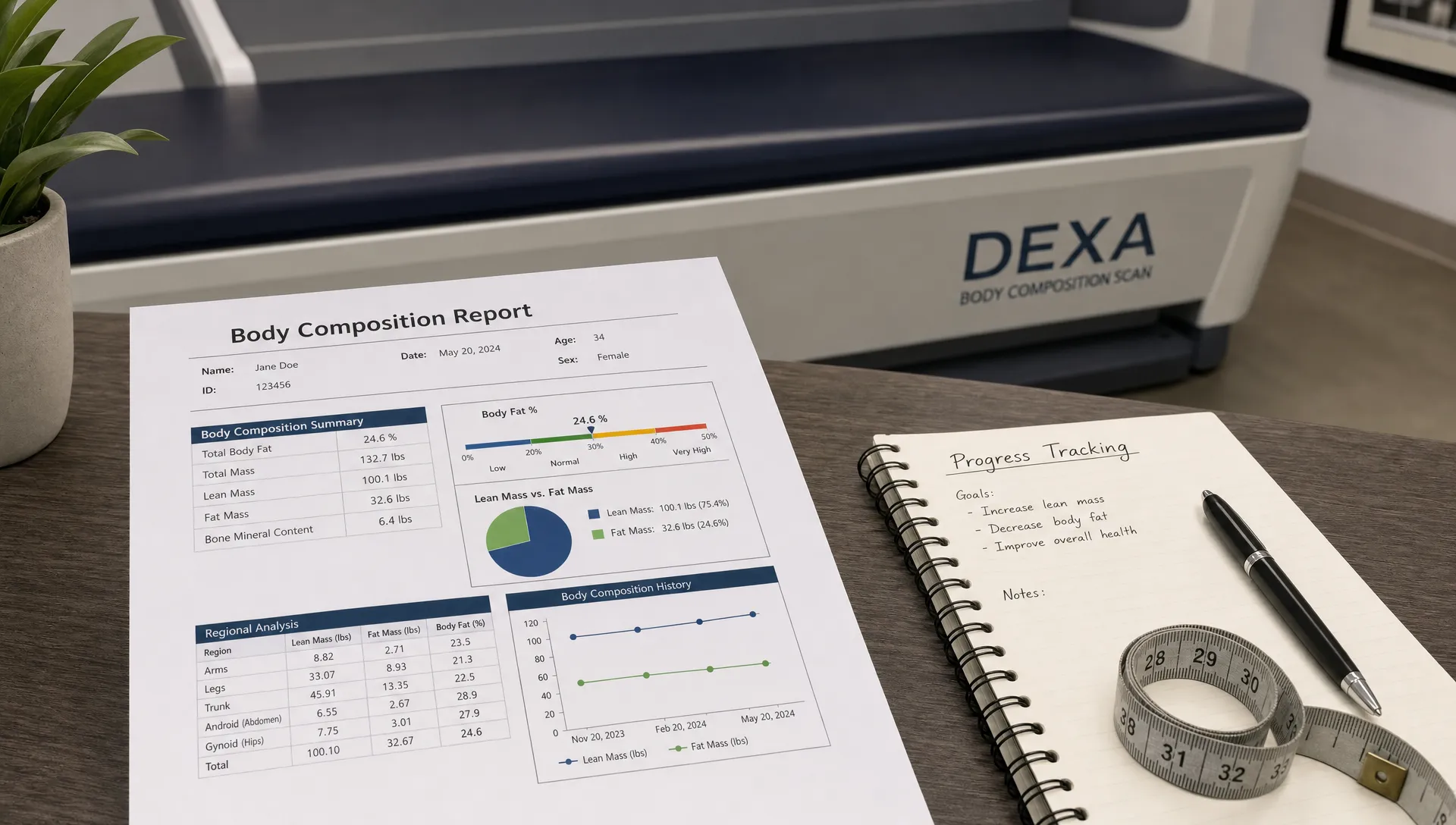
How to Make Every DEXA Scan More Accurate for Tracking
The scan interval matters, but consistency matters just as much. If your baseline scan and follow-up scan happen under very different conditions, the comparison becomes less useful.
Try to standardize your repeat scans as much as possible. Schedule them at a similar time of day, preferably before a hard workout. Avoid unusually large meals right before the scan. Keep hydration consistent. If you are tracking athletic performance, avoid testing immediately after a major competition, long endurance event, or unusually intense training block unless that timing is intentional.
Clothing also matters. Wear light, metal-free clothing and remove jewelry, watches, belts, and anything that could interfere with the scan. For clinics running a repeat-testing program, standardization can even extend to branded, metal-free scan apparel; if you supply garments to clients, durable custom woven labels can help keep sizes and sets organized without relying on tags that peel off.
For the cleanest trend line, use the same testing facility when possible. Different machines, software versions, calibration practices, and protocols can produce slightly different results. If you change facilities, treat the first scan at the new location as a new baseline.
When You May Want to Scan Sooner
There are situations where a shorter interval can make sense. Retesting at 8 weeks may be useful if you are in a structured fat loss phase, working with a coach, preparing for an athletic event, or making a significant intervention that you need to evaluate quickly.
A sooner follow-up may also be helpful if your first scan revealed an unexpected issue, such as low lean mass, high visceral fat, or a major left-right imbalance. In that case, the scan becomes a feedback tool to confirm whether the intervention is moving the right marker.
That said, scanning sooner than 6 to 8 weeks is rarely necessary for general body composition tracking. If you want weekly feedback, use other tools between DEXA scans, such as body weight trends, waist measurements, training performance, resting heart rate, sleep quality, and nutrition adherence.
When You Can Wait Longer
You can usually wait 6 to 12 months between DEXA scans if you are in maintenance mode, your training is consistent, your nutrition is stable, and your previous results were in a healthy range.
This is common for executives, founders, physicians, and other high-performing professionals who want objective health data but do not need constant testing. In these cases, DEXA works well as part of an annual or semiannual wellness review.
You may also wait longer if the result is unlikely to change your behavior. Testing is only valuable if it informs a decision. If you already know what you need to do and you are not ready to change your training, nutrition, sleep, or recovery, another scan may not add much.
How to Use DEXA Data Between Scans
The best DEXA schedule is not just about the scan date. It is about what you do with the information.
After a baseline scan, identify the top one or two priorities. For some people, that might be reducing visceral fat. For others, it might be preserving lean mass during weight loss or increasing bone-supportive strength training.
Then connect each priority to a plan. A practical plan may include progressive resistance training, protein targets, recovery work, nutrition coaching, or a more precise calorie strategy. At the next scan, evaluate whether the specific marker changed.
For example, if your goal is to lose fat while maintaining muscle, your next DEXA should answer a focused question: did fat mass decrease while lean mass stayed stable? If yes, keep going. If not, adjust the plan.
This is where a data-driven fitness environment can be helpful. At Custom Fit’s DEXA scan service in San Francisco, testing can be paired with expert interpretation, personal training, nutrition coaching, and recovery support so the numbers translate into action.
A Practical DEXA Tracking Schedule
If you are unsure where to start, use this simple cadence:
- Get a baseline scan before changing your training or nutrition.
- Retest in 12 weeks if you are actively trying to lose fat, gain muscle, or improve body composition.
- Move to every 4 to 6 months once your program is stable but still goal-oriented.
- Move to every 6 to 12 months for long-term maintenance and longevity tracking.
- Follow your physician’s recommendation for bone density monitoring or medical concerns.
This approach gives you enough data to make smart decisions without turning testing into noise.
Frequently Asked Questions
Is it safe to get DEXA scans multiple times per year? For most adults, DEXA uses a low radiation dose, and multiple scans per year for body composition tracking may be appropriate when there is a clear reason. If you are pregnant, may be pregnant, or have medical concerns, ask your physician before scheduling.
Can I get a DEXA scan every month? You can, but monthly scans are usually not necessary. Changes over 4 weeks may be too small to interpret confidently, especially for lean mass. Most people get better value from retesting every 8 to 16 weeks.
How often should athletes get DEXA scans? Many athletes benefit from testing every 12 to 16 weeks during structured training phases. Seasonal athletes may scan at the start of preseason, midseason, and offseason depending on the sport and performance goals.
How often should I get a DEXA scan for bone density? Bone density monitoring should be directed by a medical professional. Many people retest every 1 to 2 years when monitoring osteopenia, osteoporosis, or treatment response, but timing depends on your risk profile and care plan.
Should I scan while losing weight? Yes, DEXA can be especially useful during weight loss because it shows whether you are losing fat, lean mass, or both. A follow-up scan after 8 to 12 weeks can help determine whether your plan is preserving muscle.
Ready to Track What Actually Matters?
If you want more than a scale weight, DEXA scans can give you a clearer view of fat loss, muscle gain, visceral fat, and bone health. The key is choosing the right interval and pairing the data with a plan.
Custom Fit SF offers data-driven fitness, DEXA scans, personal training, nutrition coaching, recovery programs, and advanced wellness testing for people who want measurable progress. Start with a baseline, retest at the right time, and use the results to make your next phase smarter.