Choosing Private Fitness Training When Privacy Matters
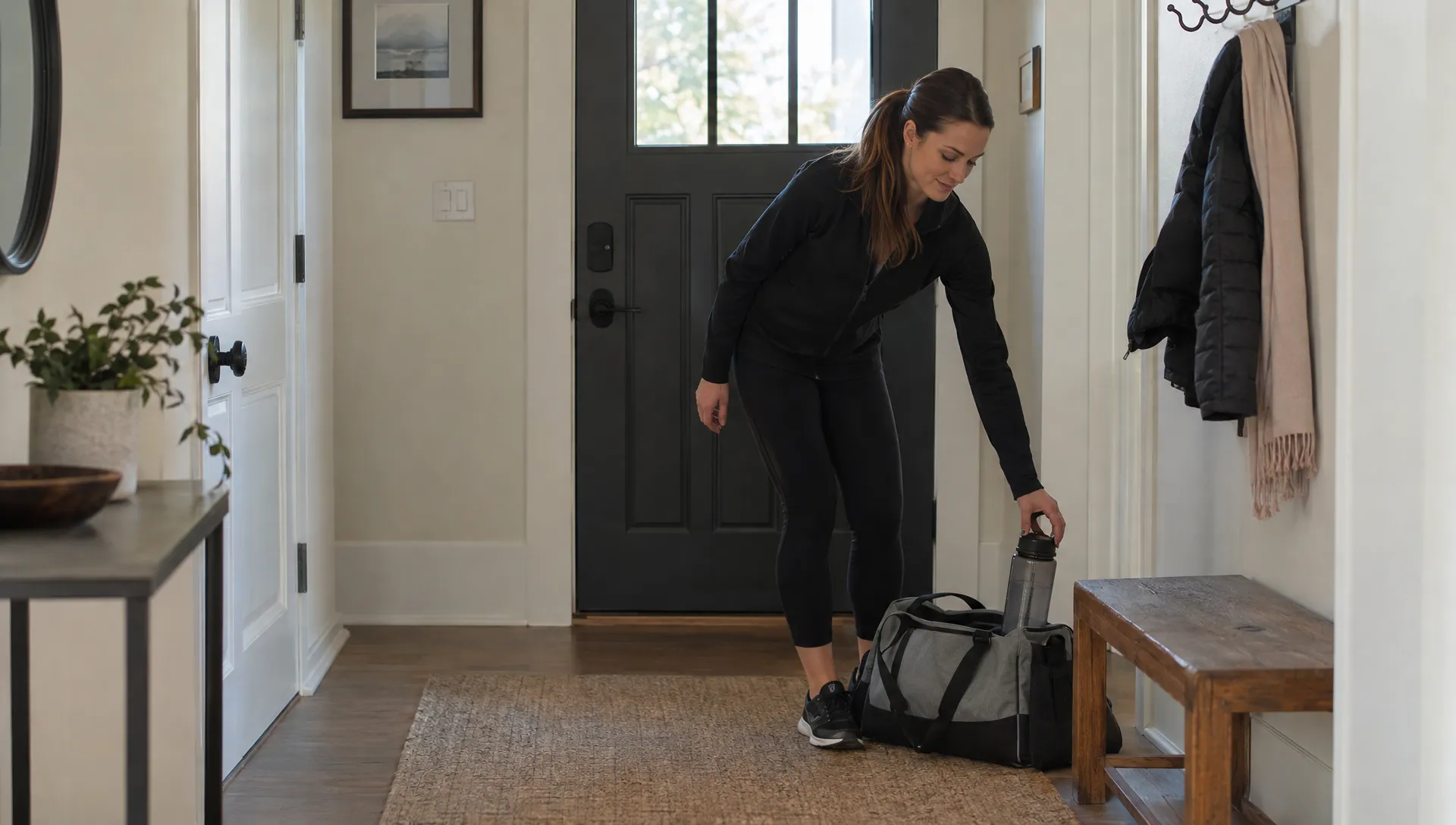


Choosing private fitness training is not just about getting a coach’s undivided attention. You may also want to exercise without an audience, discuss health concerns discreetly or keep your progress off social media. Those are different needs, and a one-on-one appointment does not automatically satisfy all of them.
The right choice starts with defining your boundaries, then checking whether the studio’s space, staff practices and information policies support them. For busy San Francisco professionals, that means evaluating what actually happens during an appointment, not relying on the word “private” in a service description.
Define what you want to keep private
A trainer can work exclusively with you while several other sessions happen nearby. An appointment-only studio can still have shared changing areas. A quiet room can offer visual privacy without preventing conversations from carrying into the hallway.
Before comparing providers, separate your priorities:
| Privacy concern | What to verify |
|---|---|
| Being seen while exercising | Whether other clients, visitors or passersby can see the training area |
| Being overheard | Where intake conversations happen and how sound travels |
| Being photographed | Whether filming occurs nearby and how consent is obtained |
| Sharing personal information | Who can access intake forms, session notes and test results |
| Unexpected encounters | Whether sessions overlap and how arrival and departure work |
For some people, private fitness training means avoiding a crowded gym floor. For others, it means having no other clients present. State which arrangement you need before discussing packages.
Also decide what is essential versus negotiable. You might accept a shared entrance but require a closed room for health conversations. That distinction makes it easier for a studio to give you a clear answer instead of a general reassurance.
Tour the space at the hour you will actually train
An empty studio at midday tells you little about a weekday appointment before work. Ask to visit near your intended training time so you can assess traffic, overlapping sessions and background noise.
Notice sightlines from reception, windows and neighboring exercise stations. Check whether changing areas provide the level of separation you want. If you need exclusive use of a room or facility, ask whether that is available and whether it changes the price.
Acoustic privacy deserves its own check. A trainer discussing medication, an injury or a difficult health experience should not need to raise their voice over music while other clients stand nearby. Ask where sensitive conversations can take place without an audience.
A useful question is: “During my appointment, who else could be in this room, and could they hear our conversation?”
You should also distinguish privacy from being left unsupported. Discreet training still requires appropriate supervision and emergency procedures. Ask how staff would summon help if needed.
The strongest evidence for a good private fitness training arrangement is a specific explanation of how the space operates during your actual appointment, not a promise that the studio is “usually quiet.”
Agree on coaching, touch and recording
Privacy includes control over how a trainer interacts with you. Before the first workout, discuss whether you welcome hands-on positioning, prefer verbal cues or want permission requested before each physical adjustment. A trainer can explain when spotting is needed for safety and select another exercise if an arrangement does not work for you.
Recording requires a separate conversation. A short technique video may be useful, but agreeing to that does not mean agreeing to promotional use. Ask which device records it, where the file goes, who can view it and when it is deleted.
You can make your preference explicit: “Please do not photograph or record me without asking each time, and do not use my name, image or results in marketing.” Also ask how the studio handles filming by other clients.
A systematic review of exercise and self-determination theory found support for a relationship between autonomous motivation and exercise participation. That does not prove secluded workouts produce better results. It does support looking for coaching that respects your choices rather than using pressure or embarrassment.
Private fitness training should make it easier to state your preferences, not create an expectation that you surrender control because you hired a professional.
Ask who can see your health information
A detailed intake can improve exercise planning, but collecting information and protecting it are separate responsibilities. Ask why each sensitive item is needed, who can access it and whether you can discuss it privately instead of entering it into a general booking form.
Useful questions include whether scheduling staff can see health notes, whether records are shared across services and how long information is retained. If an employer pays for training, clarify what the benefits administrator receives. Attendance, billing and individual health results are different categories of information.
Do not assume a fitness business is automatically covered by HIPAA. The U.S. Department of Health and Human Services explains that HIPAA applies to covered entities and their business associates. Other privacy obligations may still apply, so ask for the provider’s actual policy rather than relying on a label.
If you add DEXA testing at Custom Fit, scans are performed by Registered Dietitians or Exercise Physiologists. Clients work with professionals who understand nutrition, exercise physiology and body composition, rather than simply receiving an automated scan report. Professional interpretation matters, but you should still confirm who can access the results.
When comparing private fitness training options, treat responsible information handling as a separate requirement from coaching quality.
Keep outside-care handoffs narrow
Coordination with a treating clinician can be useful when you have activity restrictions. It does not require sending your complete medical history to a trainer. Ask the clinician to identify relevant limitations, warning signs and progression guidance.
For clients managing care across cities, that principle applies whether they see a physician in San Francisco or receive digital orthodontic care at Dr. Monica Filipescu’s practice in Bucharest. Share exercise-related instructions when relevant, not unrelated specialist records or imaging.
Before authorizing communication, clarify who will exchange information, what they will send and why. A trainer should not need access to every part of your healthcare history to receive a specific activity restriction.
Compare private fitness training costs by what is included
A session price does not tell you whether you are buying exclusive coaching, exclusive space or both. Ask the provider to describe those separately before comparing offers.
For an hourly quote, confirm the actual appointment length, whether assessment time counts toward it and whether programming between sessions is included. Ask about cancellation rules, package expiration, trainer substitutions and any extra charge for exclusive room access. These details matter more than a headline rate when privacy is a requirement.
There is no single useful price for a one-hour session without knowing the location, provider and arrangement. Request a current written quote rather than relying on a generic national estimate.
Evaluate value against your actual obstacle. If you avoid exercise because of crowded rooms or unwanted attention, a setting you comfortably attend may be worth more than a cheaper package you rarely use. If you are comfortable sharing space, one-on-one coaching on a shared floor may meet your needs without paying for exclusivity.
Privacy is not a substitute for coaching competence, however. Custom Fit’s guide to choosing a personal trainer for your goals can help you assess the professional fit alongside the environment.

Make discretion work with your San Francisco schedule
An arrangement can meet every privacy preference and still be impractical if getting there repeatedly disrupts your workday. Compare door-to-door travel at your intended appointment time, including transit connections, parking if needed and time to change before returning to work.
Ask how early you can arrive and where you would wait. If avoiding unexpected encounters is important, back-to-back appointments may matter more than how many people use the studio across an entire day.
For client-facing professionals, also clarify communication preferences. You may want appointment reminders sent to a personal address rather than a workplace account, or phone messages that omit the nature of the service. Confirm what the provider can accommodate instead of assuming its systems support every request.
Put your boundaries in writing before paying
After the consultation, summarize the arrangement in a short email. Specify whether the space is shared, where sensitive discussions happen, your recording preferences and any agreed limits on information sharing. Ask the provider to confirm or correct your understanding.
This is particularly useful when the person selling a package is not the person delivering the sessions. Your preferences should not depend on repeating a sensitive explanation at every appointment.
Be cautious if a provider dismisses reasonable questions, treats marketing consent as unavoidable or cannot explain who sees your records. Unclear answers do not establish wrongdoing, but they leave you without enough information to make a confident purchase.
A trial appointment can reveal whether private fitness training meets your expectations before you commit to a longer package. Evaluate whether the coach follows your stated boundaries, not just whether the workout feels challenging.
You can use a simple closing question: “Can you confirm which of these preferences you can accommodate, which you cannot and whether any affect the price?” A specific limitation is more useful than an assurance that everything will be fine.
Frequently asked questions
Does one-on-one training mean I will have the gym to myself? No. It usually describes the coaching relationship, not exclusive facility access. Ask whether other trainers and clients will share the room and whether separate space is available.
Is a private trainer worth it if privacy is my main concern? It can be, provided the actual arrangement removes the barrier that keeps you from training. Paying for individual attention alone will not solve concerns about shared rooms, filming or overheard conversations.
Can I decline photos, weigh-ins or other measurements? State your preferences before booking. Ask which assessments the provider considers necessary, why they are used and what alternatives are available. Distinguish measurements used for coaching from permission to publish results.
What should I ask before booking private fitness training? Start with who else will be present, where personal conversations happen, how recording consent works and who can access your records. Then confirm the session length, full cost and cancellation terms in writing.
Discuss your requirements with Custom Fit
Custom Fit offers personal training, nutrition coaching, testing and recovery services in San Francisco. Before choosing a service, describe the privacy conditions you need and ask which arrangements are available.
You can contact Custom Fit to discuss your training goals and privacy preferences. Ask about the environment at your preferred appointment time, information access and consent practices before committing. The goal is a clear agreement about both the coaching you will receive and the boundaries you want respected.