Build a Custom Fitness Plan Around Your Health Data
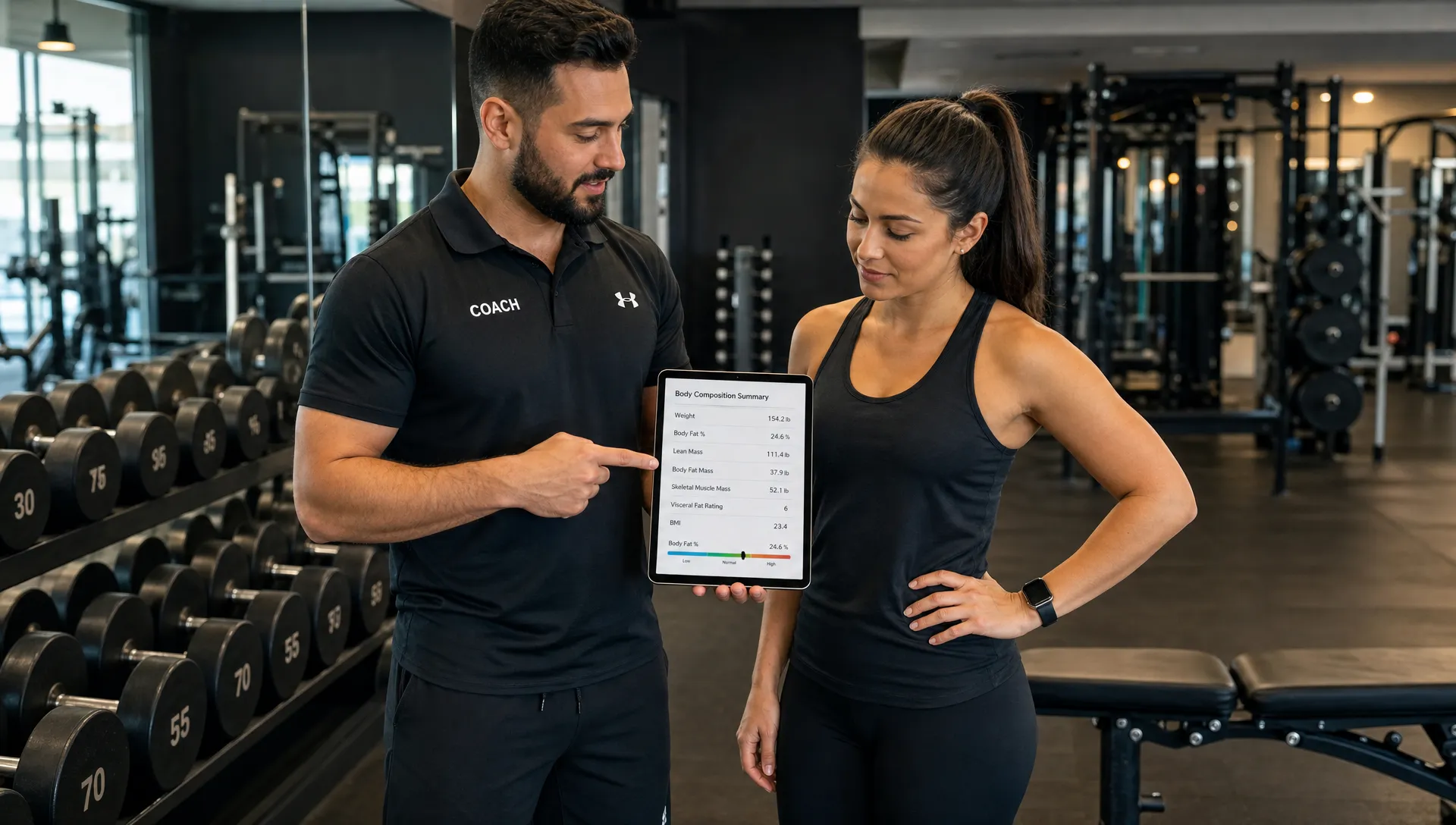


Most fitness plans start with a goal: lose fat, build muscle, improve energy, train for an event or feel better in your body. Those goals matter, but they are not enough to build a plan that works.
A stronger approach starts with your actual health data. Your body composition, aerobic capacity, movement history, schedule, nutrition patterns and recovery habits all change what your training should look like. That is the difference between a generic routine and a custom fitness plan that can adapt as your body changes.
For busy San Francisco professionals, founders, physicians, executives and anyone who values precision, this matters. Time is limited. Guesswork is expensive. If you are going to train three to five hours per week, those hours should be aligned with measurable needs, not recycled workouts from someone else’s program.
What Health Data Belongs in a Custom Fitness Plan?
A custom fitness plan does not require tracking every number your watch can produce. The best plans focus on the data that changes decisions.
Body composition data can show whether your goal should focus on fat loss, muscle gain, visceral fat reduction or maintaining lean mass while improving conditioning. A scale alone cannot tell you this. Two people can weigh the same and need completely different programs.
Cardiorespiratory fitness is another key marker. VO2 max, heart rate response and conditioning tests help determine how hard you should train, what zones deserve attention and whether your cardiovascular system is improving over time. A large 2018 study in JAMA Network Open found that higher cardiorespiratory fitness was strongly associated with lower long-term mortality risk, reinforcing why conditioning should be treated as more than a cosmetic goal.
A nutrition assessment can also guide your plan. Nutrition logs, protein intake, sleep patterns, injury history, and training consistency help establish a clearer starting point.
At Custom Fit, this type of data supports a coaching process rather than replacing it. The scan, test or assessment is only useful if someone qualified can interpret it and turn it into action.
Start With the Outcome, Then Work Backward
Health data should serve your goal, not distract from it. Before choosing workouts, clarify the outcome you want and the constraints you have to work within.
A realistic goal sounds specific enough to guide programming. “I want to lose 12 pounds of fat while preserving muscle over the next four months” is more actionable than “I want to get toned.” “I want to improve my VO2 max and have more energy for weekend cycling” creates a different plan than “I want to reduce visceral fat and improve blood markers.”
Your constraints matter just as much. A plan for a parent who trains at 6 a.m. before commuting from Noe Valley is different from a plan for someone who works long days near the Financial District and needs efficient sessions between meetings. A good custom fitness plan respects schedule, stress, travel, injury history and personal preference because consistency is not a motivational trait. It is usually a design problem.
If you want a deeper look at how testing turns vague goals into specific next steps, Custom Fit’s guide to using fitness testing to build a clear plan explains how assessments can shape training, nutrition and recovery decisions.
Build Your Baseline Before You Build the Program
A baseline gives your coach something better than intuition. It identifies what needs attention first, what can wait and what progress should look like.
For body composition, DEXA is one of the most useful tools because it can estimate fat mass, lean mass, bone density and regional differences. This is especially helpful when the scale is misleading. Someone may lose very little weight while gaining muscle and reducing fat. Another person may lose weight quickly but also lose lean mass, which is not the desired outcome for long-term health or performance.
Whenever DEXA, body fat, muscle mass or visceral fat is part of the conversation, interpretation matters. Custom Fit DEXA scans are performed by Registered Dietitians or Exercise Physiologists, so clients are working with professionals who understand nutrition, exercise physiology and body composition. You are not simply receiving an automated scan report. The value comes from connecting the results to a plan you can execute.
A practical baseline may include several inputs:
| Health data point | What it helps reveal | How it can shape the plan |
|---|---|---|
| DEXA scan | Fat mass, lean mass, visceral fat and bone density estimates | Sets body composition targets and helps protect muscle during fat loss |
| VO2 max or conditioning test | Aerobic fitness and training zone needs | Guides cardio intensity, intervals and recovery work |
| Movement and strength assessment | Mobility limits, asymmetries and current strength | Helps choose exercises and reduce injury risk |
| Nutrition review | Protein intake, meal timing and consistency | Builds realistic eating strategies around your life |
| Recovery markers | Sleep, stress, soreness and readiness | Adjusts training load before fatigue becomes a setback |
This does not mean every person needs every test on day one. The point is to collect enough information to stop guessing.
Turn the Data Into Training Decisions
Data only matters if it changes the plan. A DEXA scan showing lower than expected lean mass may shift the priority toward progressive strength training, adequate protein and less aggressive calorie restriction. A scan showing elevated visceral fat may call for a combined strategy of resistance training, aerobic conditioning, nutrition coaching and improved sleep consistency.
VO2 max and conditioning data can change the way cardio is prescribed. Many people spend too much time in a vague middle intensity that feels hard but does not always improve the specific system they are targeting. With better data, a coach can balance easier aerobic work, higher intensity intervals and recovery days more intelligently.
Strength programming should also be tied to what your body can currently tolerate. The American College of Sports Medicine’s progression model for resistance training, summarized in a Medicine & Science in Sports & Exercise position stand, emphasizes progressive overload, exercise selection and training status. In practice, that means the right plan for a beginner, a deconditioned executive, a recreational athlete and a post-injury client will not look the same.
A custom fitness plan should answer simple questions with precision: how often you train, how hard you train, what you lift, when you recover and when the plan changes. If the data never affects those decisions, it is decoration.
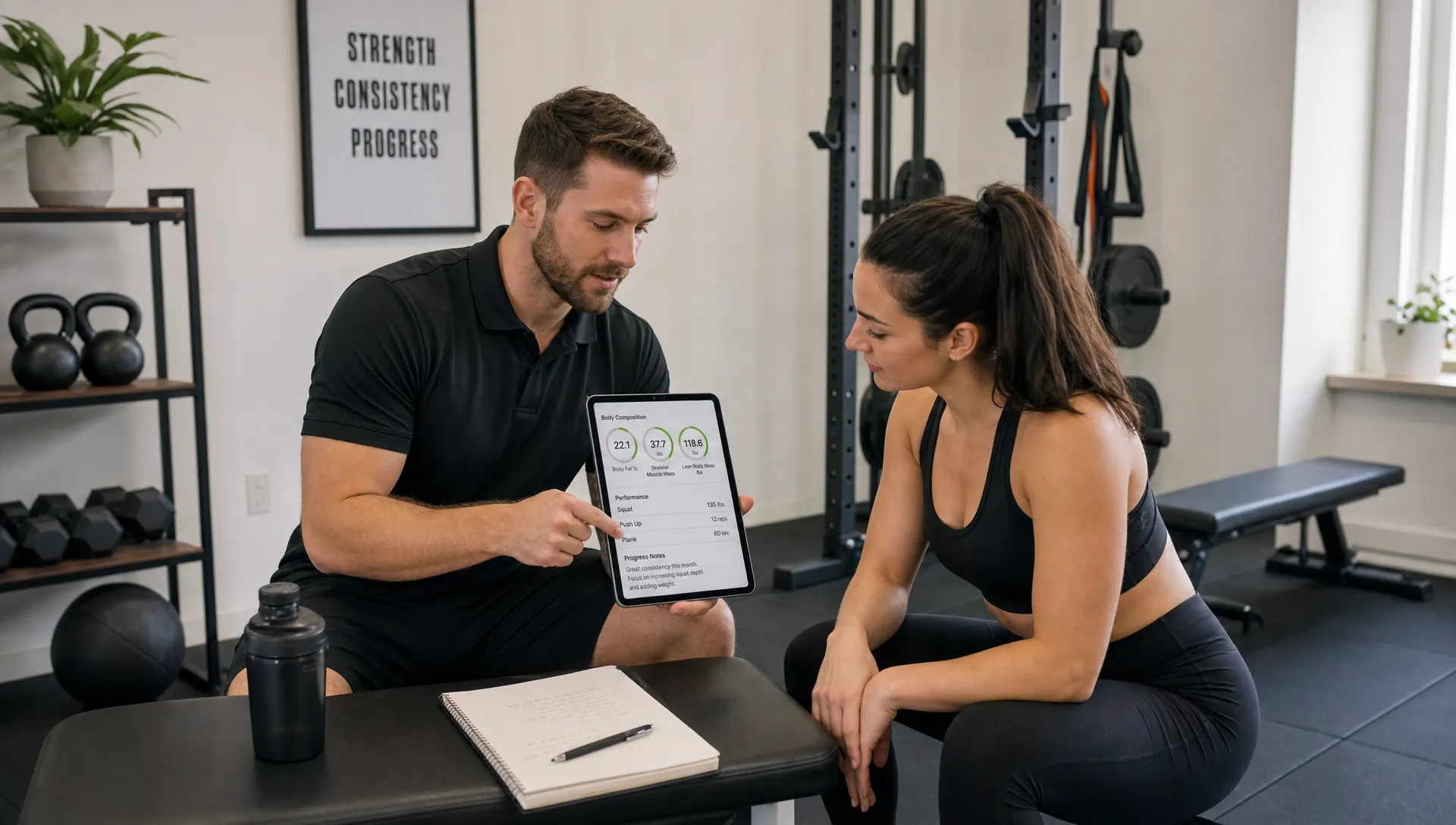
Use Nutrition Data to Support the Training Goal
Training creates the stimulus, but nutrition strongly influences the result. That is especially true when the goal involves body fat reduction, muscle gain, metabolic health or performance.
Protein intake is a useful example. The International Society of Sports Nutrition’s position stand on protein and exercise notes that physically active people often benefit from higher protein intakes than the baseline recommended dietary allowance, depending on goals, training volume and total energy intake. That does not mean everyone needs the same protein target. A person trying to preserve muscle during fat loss may need a different approach than someone training for endurance performance or recovering from low energy availability.
Food quality and adherence matter too. A nutrition plan built around foods you enjoy is more likely to last. For some clients, that may mean simple meal prep with Greek yogurt, eggs, tofu, fish and legumes. For others, it may include higher quality animal proteins at home, including specialty options such as restaurant-quality meat from Beef Boutique when planning protein-forward meals or looking for cooking inspiration.
The role of a Registered Dietitian is to connect these choices to your health data, preferences and lifestyle. If your DEXA scan shows lean mass loss, your plan may need more protein, better strength progression or less aggressive dieting. If your schedule makes lunch unpredictable, the strategy needs to account for that before it fails.
Reassess on a Schedule, Not on Emotion
One of the biggest advantages of a data-driven plan is that it reduces emotional decision-making. A difficult week at work, a salty restaurant meal or a temporary weight fluctuation should not cause a complete program overhaul.
Instead, choose a reassessment rhythm that matches the metric. Daily weigh-ins may be useful for some people when averaged over time, but they can be distracting for others. Strength numbers can be reviewed weekly or monthly. Body composition changes usually need more time, often several weeks or months, before the signal is meaningful.
The goal is to track enough to see trends without turning fitness into a second job. A simple scorecard might include training sessions completed, protein consistency, sleep quality, strength progress, conditioning improvements and periodic body composition results.
This is where coaching becomes valuable. A good coach knows when to push, when to hold steady and when to change the plan. If your strength is climbing and waist measurement is improving, the scale may not need to move quickly. If your energy is dropping and workouts are deteriorating, more restriction is probably not the answer.
Make the Plan Fit San Francisco Life
A custom fitness plan has to survive real life. In San Francisco, that often means early meetings, commute variability, client dinners, travel, hills, weekend outdoor activities and long stretches at a desk.
For someone working near SoMa or the Financial District, the best plan may use shorter strength sessions during the week and longer conditioning work on weekends. For a physician or executive with unpredictable days, the plan may include primary workouts and backup sessions so missed time does not spiral into missed weeks. For someone who already walks hills daily, conditioning may look different than it would for a person with a mostly sedentary routine.
Custom Fit’s model of personal training in San Francisco built around your data is especially relevant for people who want coaching that accounts for testing, lifestyle and measurable progress rather than a generic workout template.
The plan should also integrate recovery. Recovery is not just massage or stretching. It includes sleep, stress management, appropriate training volume, nutrition adequacy and the ability to adjust when life load is high. For high-performing professionals, this is often the missing piece. They can tolerate hard work, but they may not have enough recovery capacity to benefit from constant intensity.
For Clinics and Employers, Data Creates a Shared Language
Health data also matters beyond individual training. Concierge medicine practices, longevity clinics and employee benefits teams increasingly need fitness partners who can communicate clearly about outcomes.
A data-informed fitness environment makes collaboration easier because it uses measurements that physicians, dietitians, exercise physiologists and coaches can discuss with more precision. Body composition, VO2 max, strength capacity, adherence and recovery patterns all provide more useful context than “client is working out more.”
This does not turn fitness into medical care, and it should not replace a physician’s role. It does, however, make fitness programming more accountable. For a longevity clinic, that can support prevention-focused care. For a concierge practice, it can help patients act on recommendations. For an employee benefits manager, it can make wellness feel more substantive than a step challenge or unused app subscription.
Common Mistakes When Building a Custom Fitness Plan
The most common mistake is collecting data without changing behavior. A DEXA scan, VO2 max test should lead to specific training and nutrition decisions. If it does not, the data is underused.
Another mistake is overcorrecting too soon. Fitness data has natural variability. Sleep, hydration, menstrual cycle timing, work stress, illness and travel can all affect performance or body weight. Look for trends before making big changes.
Many people also chase fat loss at the expense of muscle. This is especially risky for long-term health, metabolism and aging. If your plan reduces body weight but also reduces lean mass, the program may need more strength training, more protein, better recovery or a less aggressive calorie deficit.
Finally, do not confuse personalization with complexity. A custom fitness plan can be simple. It just needs to be specific to you, grounded in your data and updated when your body gives new information.
Frequently Asked Questions
What is a custom fitness plan? A custom fitness plan is a training, nutrition and recovery strategy built around your goals, current fitness level, health data, schedule and constraints. It should change as your body adapts.
Which health data is most useful for fitness planning? The most useful data often includes body composition, VO2 max or conditioning results, strength levels, movement quality, nutrition habits, sleep and recovery patterns.
How often should I repeat a DEXA scan? The right timing depends on your goal, but many people benefit from reassessing body composition after enough time has passed for meaningful change. Your coach or practitioner can help choose an interval that fits your plan.
Who performs DEXA scans at Custom Fit? Custom Fit DEXA scans are performed by Registered Dietitians or Exercise Physiologists. That means clients review results with professionals who understand nutrition, exercise physiology and body composition rather than receiving only an automated report.
Can health data help if I am already fit? Yes. Fit individuals often use data to identify bottlenecks, such as low aerobic capacity relative to strength, insufficient lean mass in specific regions, poor recovery or nutrition gaps that limit performance.
Do I need advanced testing before I start exercising? Not always. You can start with goals, health history and basic movement assessments. Advanced testing becomes especially useful when you want a more precise plan, have specific health goals or need to measure progress objectively.
Build a Plan That Measures What Matters
A custom fitness plan should give you more than workouts. It should tell you where you are starting, what to prioritize, how to train, how to eat, when to recover and how to know whether the plan is working.
If you are ready to move beyond guesswork, Custom Fit’s data-driven fitness and wellness studio in San Francisco can help you connect personal training, nutrition coaching, DEXA scans, VO2 max testing and recovery support into one coordinated plan. For a practical next step, you can also explore how to build a personal fitness program you can stick to and use that foundation with better data.