Athletic Classes That Build Power Without Excess Fatigue
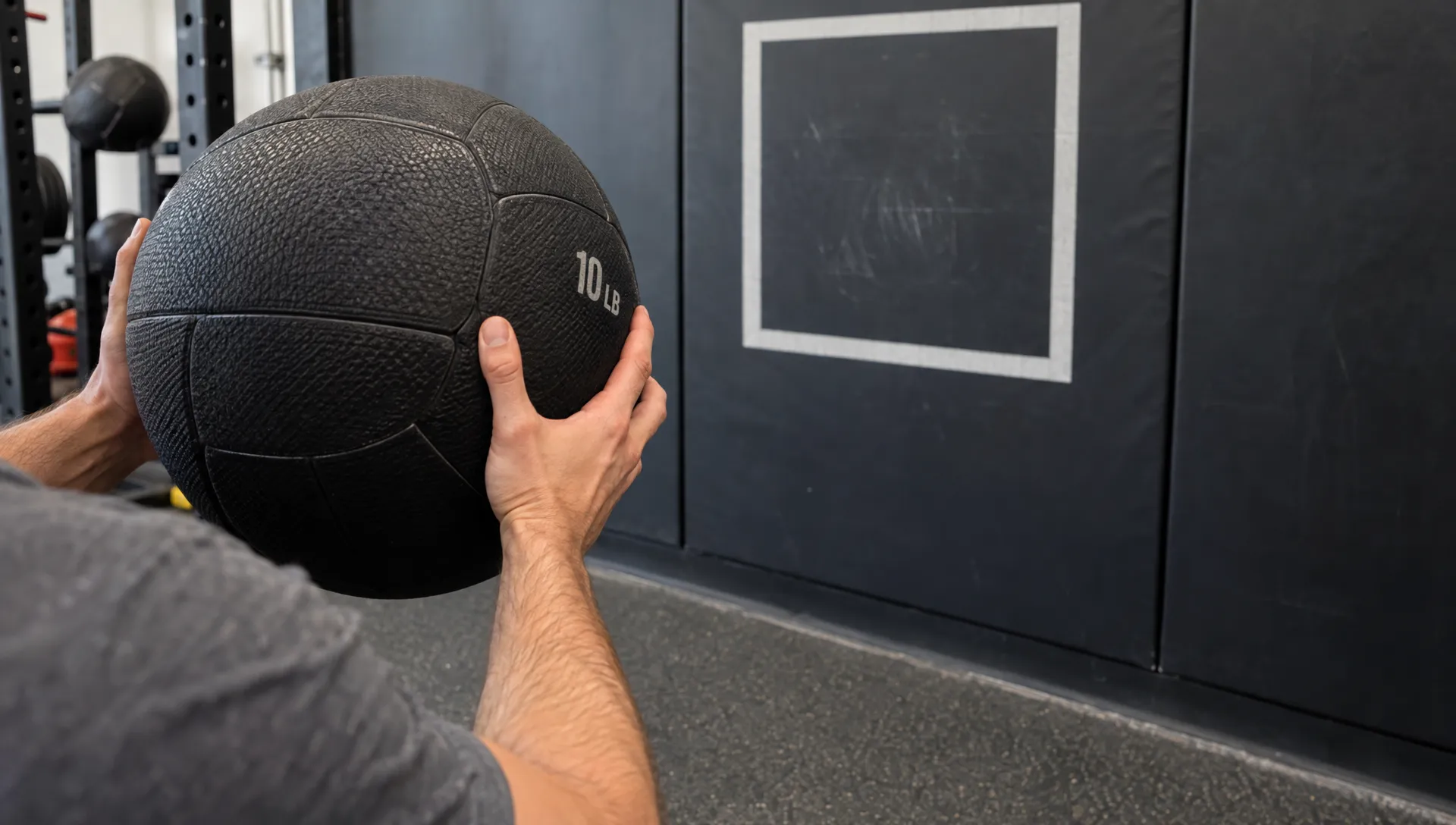


The best athletic classes for building power are not necessarily the ones that leave you most exhausted. Power training depends on producing force quickly, which means movement quality, exercise order and recovery between efforts matter more than nonstop activity. For San Francisco professionals who want to train hard without dragging through the next workday, that distinction is useful.
A well-designed class can challenge you while keeping fatigue proportional to the goal. Here is how to recognize that approach, what a power-focused session might include and how to tell whether it is working.
Power is different from strength and endurance
Strength is your ability to produce force. Power involves producing force quickly. Endurance lets you sustain or repeat activity over time. These qualities overlap, but they are not interchangeable.
A heavy squat, a quick medicine ball throw and a long cycling interval create different demands. Performing all three in a continuous circuit may produce plenty of effort without giving any one quality the attention it needs.
For power development, each repetition should have a clear purpose: accelerate an appropriate load, coordinate the movement and finish under control. Once fatigue makes the movement noticeably slower, adding repetitions can shift the session away from its original objective.
That does not make strength training less valuable. A stronger foundation supports later power work, and our guide to how strength classes build muscle explains that separate training emphasis.
Well-designed athletic classes distinguish between these goals rather than treating sweat, soreness or total repetitions as universal measures of success. Some fatigue is expected, but exhaustion is not proof that power improved.
Put speed and skill before exhausting work
Power-focused exercises generally belong after the warm-up and before demanding strength sets or conditioning. You want to practice quick, coordinated movement while you can still control it.
An effective warm-up should prepare the joints and rehearse the patterns that follow. It should not become a surprise endurance test. Several minutes of easy movement, mobility work and progressively more specific practice usually make more sense than opening with an all-out circuit.
The American College of Sports Medicine’s position stand on resistance-training progression describes power training using appropriate loads, fast movement intent and adequate rest. The important distinction is intent: trying to accelerate does not mean abandoning technique or rushing the lowering phase of an exercise.
Suitable options depend on experience, injury history and coaching. Medicine ball throws, carefully selected jumps and lighter resistance exercises performed with purposeful acceleration can all have a place. Jumping is not mandatory, and a coach should offer alternatives when impact or landing control is a concern.
In athletic classes, the first working repetitions should look prepared and coordinated, not like attempts to recover from an exhausting warm-up. Ask the coach where power work sits in the session and why.
Rest is part of the exercise prescription
A class can feel organized and engaging without filling every second with movement. Rest gives you a chance to repeat the intended effort rather than gradually turning a power exercise into a survival task.
For example, a short set of medicine ball throws may need substantially more recovery than its duration suggests. Depending on the exercise and effort, that can mean one to three minutes between sets, sometimes longer. The next set should begin when you can reproduce the movement, not simply when the timer sounds.
One resistance-training trial examining different amounts of movement-velocity loss within sets illustrates why slowing down matters. Its findings support paying attention to how much performance deteriorates during a set, although a specific lifting protocol cannot establish the ideal structure for every group class.
Practical coaching should include three checks:
- Speed: Stop or adjust the set when repetitions become clearly slower.
- Control: Change the exercise if balance, landing mechanics or positioning deteriorate.
- Readiness: Allow more recovery when breathing or coordination has not settled enough for another quality effort.
Athletic classes should also distinguish power sets from strength sets. Leaving a few repetitions in reserve can help manage strength-training fatigue, but power work may need to stop even earlier if speed drops before the exercise feels difficult.
What a lower-fatigue power session could look like
The following is an illustrative 50-minute session structure, not a Custom Fit class schedule or an individual prescription. A coach would adjust the exercises, loads and recovery to the participants.
| Session block | Approximate time | Purpose | Fatigue safeguard |
|---|---|---|---|
| Warm-up and movement rehearsal | 8 minutes | Prepare for the selected exercises | Keep the warm-up progressive rather than exhausting |
| Power practice | 15 minutes | Perform short sets of throws, suitable jumps or coached fast-intent movements | Use low repetitions and enough rest to preserve speed |
| Supporting strength work | 17 minutes | Build the force capacity that supports power | Avoid grinding repetitions and unnecessary sets |
| Easy conditioning | 5 minutes | Add light aerobic work without turning the session into an endurance test | Keep the effort comfortable |
| Cooldown and coaching review | 5 minutes | Settle breathing and identify useful adjustments | Review movement quality rather than calorie totals |
The power block might include three sets of three to five repetitions of a selected exercise. That is an example, not a universal target. More experienced participants may need a different dose, while beginners may spend more time learning the movement.
The defining feature of these athletic classes is not a particular piece of equipment. It is the decision to protect high-quality efforts instead of adding rounds until everyone is depleted. A modest number of purposeful repetitions can be more useful than a much larger number performed slowly.
Keep conditioning from competing with the main goal
Aerobic fitness matters for health and supports many athletic activities. The question is how to combine it with power work, not whether to eliminate it.
A 2022 systematic review and meta-analysis of concurrent aerobic and strength training found that combining the two could attenuate improvements in explosive strength, particularly when they occurred within the same session. That does not mean a brief easy cooldown cancels your progress or that every mixed class is poorly designed.
It does mean that a long, demanding finisher deserves scrutiny when power is the priority. Repeated maximal bike intervals, high-volume burpees or extended jump circuits can add fatigue after the useful power work is already complete.
Look for athletic classes that make the conditioning dose explicit. A coach should be able to explain whether it supports the session’s goal, serves a separate endurance objective or is optional based on your other training.
If you want both demanding endurance work and focused power training, separate sessions may be worth discussing with your coach. The right arrangement depends on your sport, available recovery and total weekly workload, not just the class timetable.

Manage fatigue beyond the class itself
Adjust the session to your readiness
A program that works during a normal week may be too much after poor sleep, business travel or several demanding training days. Keeping the same exercise does not require keeping the same dose.
Useful adjustments include reducing the number of sets, choosing a simpler movement or replacing demanding conditioning with easy activity. These are deliberate training decisions, not failures to keep up with the group.
Tell your coach about unusually poor sleep, significant soreness or a recent increase in other exercise. A single low-energy day does not diagnose a recovery problem, but repeated declines in performance deserve attention.
Athletic classes should leave room for this individual adjustment. Everyone can follow the same session theme without using identical loads, impact levels or work intervals.
If your workload regularly changes, compare fitness program options for demanding schedules with your coach rather than repeatedly forcing an unsuitable training dose into the week.
Support recovery and address pain appropriately
Regular meals, adequate food intake and sleep provide the foundation for recovery. Avoid routinely arriving under-fueled, then using caffeine or sheer effort to compensate. Nutrition coaching can help when your eating schedule consistently conflicts with training.
Pain also needs a different response from ordinary exertion. Stop an exercise that causes sharp pain, dizziness or loss of control and seek appropriate clinical guidance when symptoms warrant it.
Avoid deliberately clenching your jaw to make an effort feel stronger. Persistent tooth or jaw pain needs dental assessment rather than more training. For readers based in or visiting Melbourne, Metro Dental’s Melbourne CBD clinic provides general dental care; elsewhere, choose an appropriate local dental professional.
How to measure progress in athletic classes
Judge power training by repeatable performance, not how sore you feel the next morning. A useful assessment matches the movements you practice and your actual goals.
Depending on your experience and access to equipment, a coach might track a medicine ball throw, a suitable jump assessment or movement speed at a consistent resistance. These are different measures and should not be treated as interchangeable.
Repeat testing under similar conditions: the same equipment, warm-up, technique and approximate recovery state. Testing after an exhausting class makes comparison less useful. Small differences can reflect normal variation, so look for a pattern across several assessments rather than celebrating or worrying about every result.
Athletic classes are producing a better balance of stimulus and fatigue when performance trends improve without a persistent decline in your ability to recover and train again.
Also record simple observations: whether the last set stayed coordinated, how you felt the following day and whether fatigue interfered with other planned exercise. These notes cannot diagnose a medical condition, but they give your coach useful context for adjusting the program.
Increase the challenge gradually. More load, greater exercise complexity and more sets are separate progression choices, not changes you need to make all at once.
Frequently asked questions
Should a power-focused class leave me sore? It can, especially when an exercise is unfamiliar, but soreness is not the objective. New jumping or lowering movements may cause soreness even when the session is short. Persistent soreness that disrupts subsequent training is a reason to review the dose.
Do I need to jump to build power? No. Depending on your goals and physical capacity, coached medicine ball throws or resistance exercises performed with fast movement intent may be suitable. An alternative should still have a clear purpose and appropriate technique.
Are these classes appropriate for beginners? They can be when coaching prioritizes movement skills, manageable loads and suitable modifications. Beginners should not be expected to perform complex or high-impact exercises simply because other participants can.
How often should I attend? There is no universal frequency. One or two focused sessions per week may be a reasonable starting point to discuss with your coach, depending on your other training and recovery. Add sessions only when the overall workload remains manageable.
How can I tell whether a class is mostly conditioning? Ask what the session is designed to improve and how that outcome is measured. Athletic classes built around constant timed work, minimal rest and increasingly slow repetitions may emphasize conditioning more than power, regardless of the class name.
Find the right balance at Custom Fit
Custom Fit offers group classes, personal training and nutrition coaching in San Francisco. Explore Custom Fit’s training options and discuss your goals, current workload and recovery needs with the team. Ask which available format best supports power development, appropriate coaching and a training dose you can sustain.